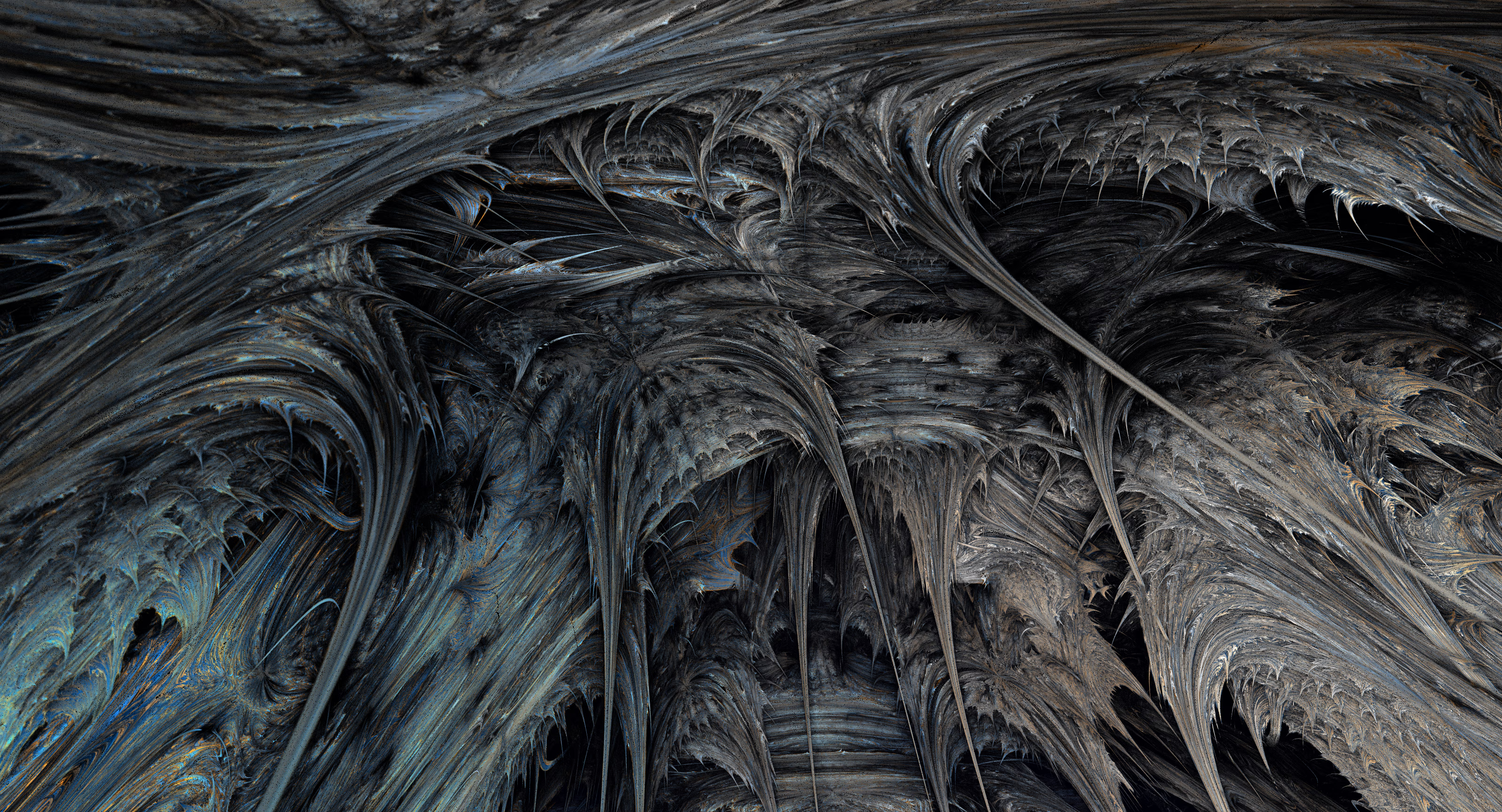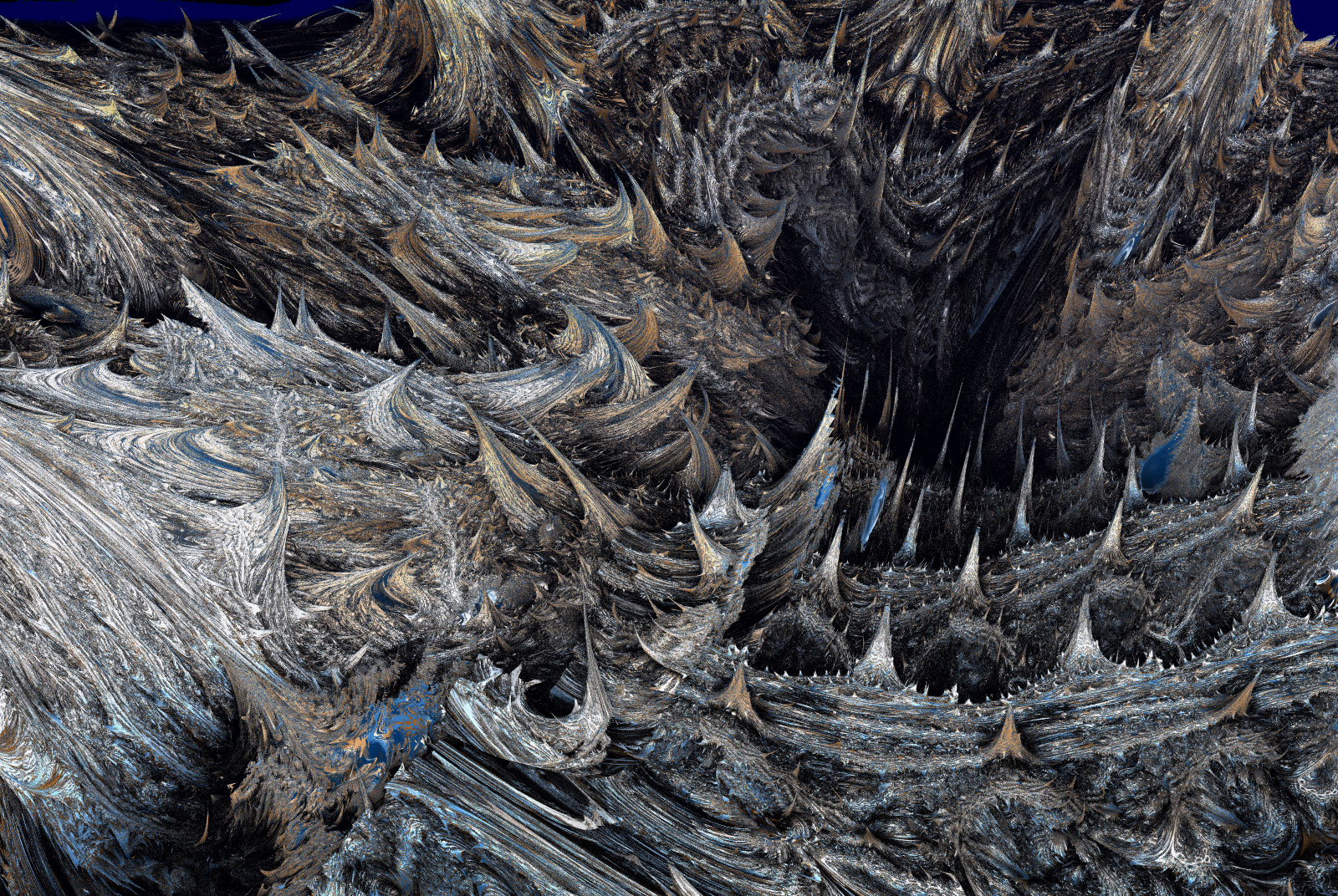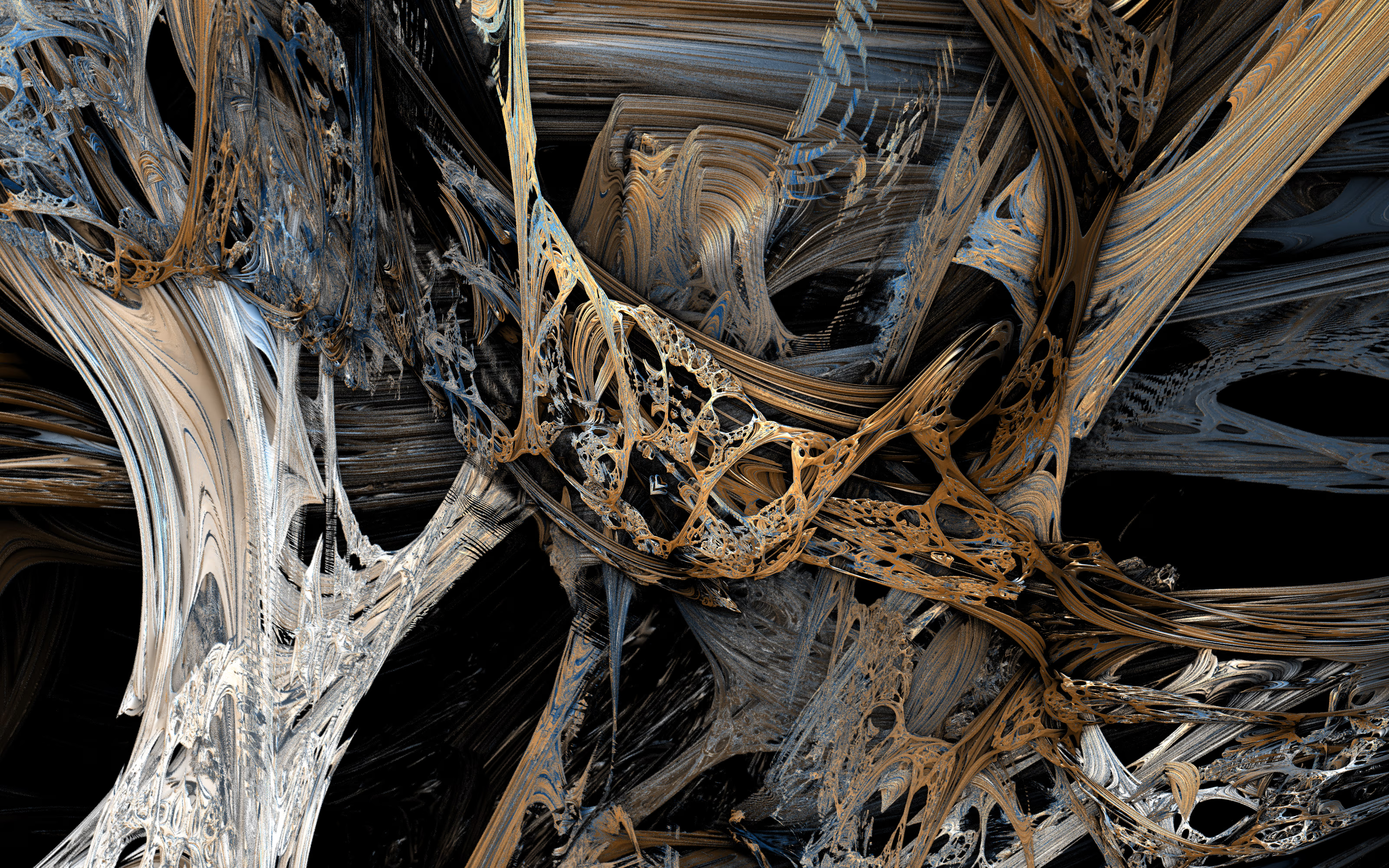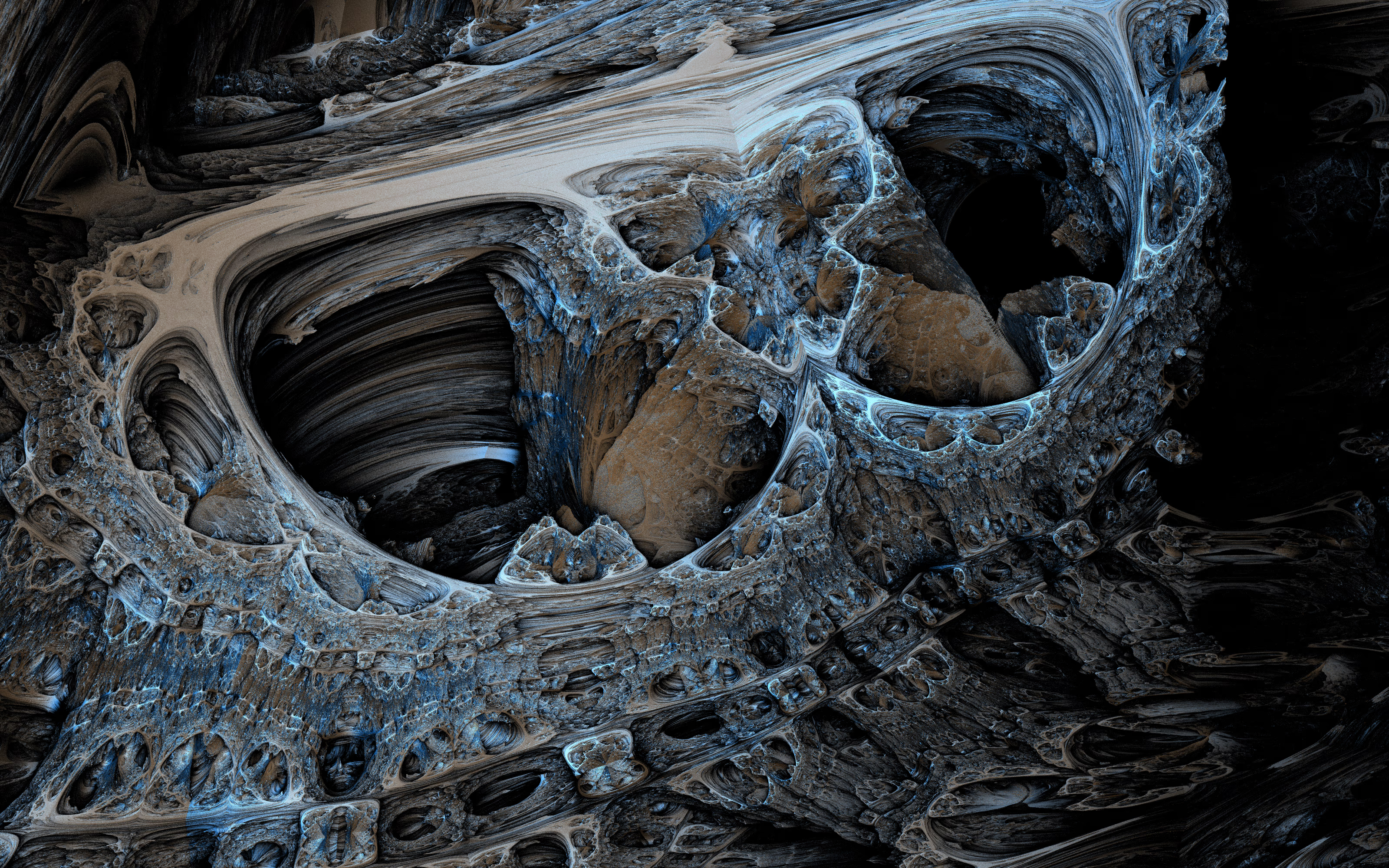
Photorealistic Fractals
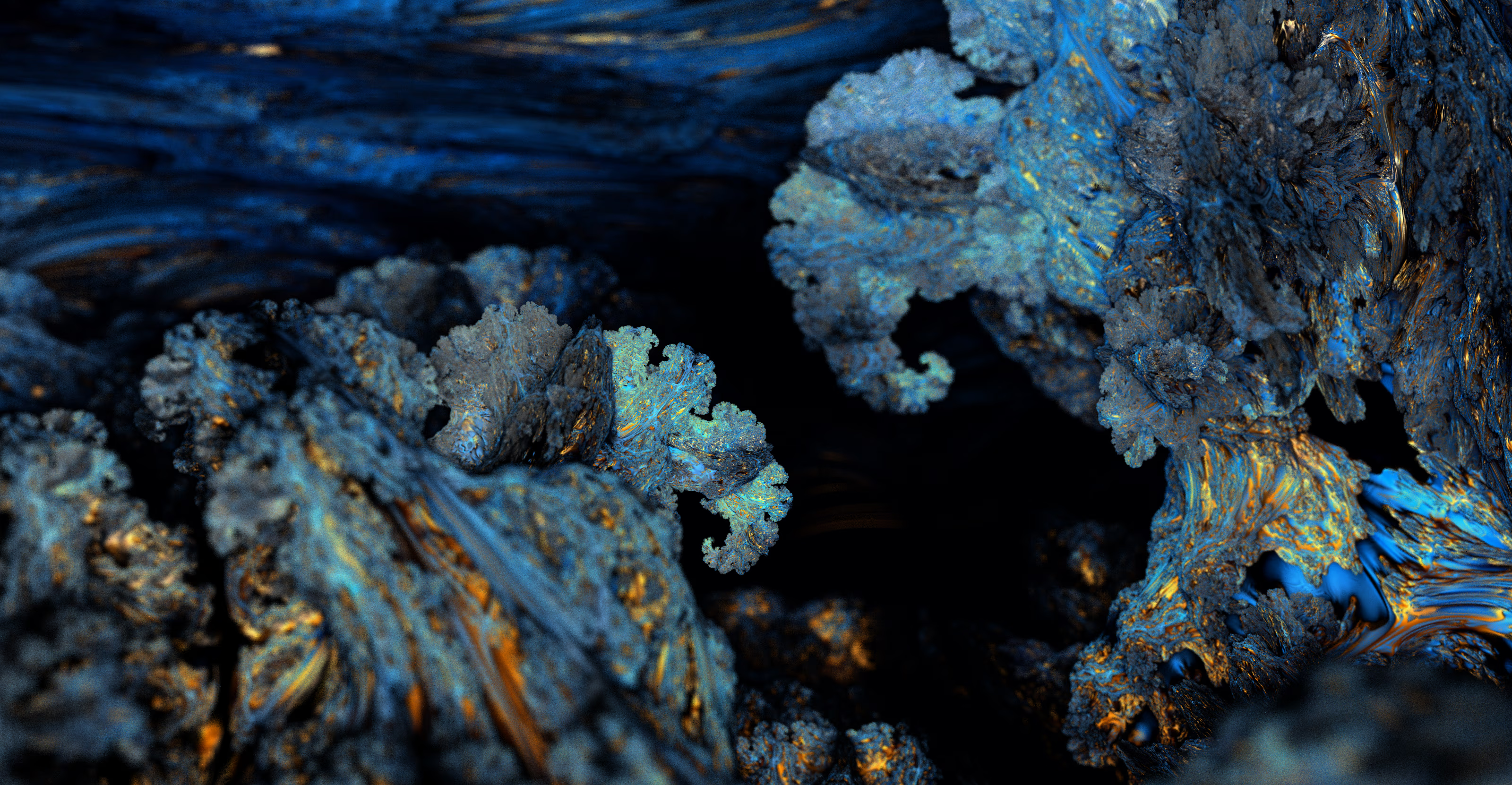
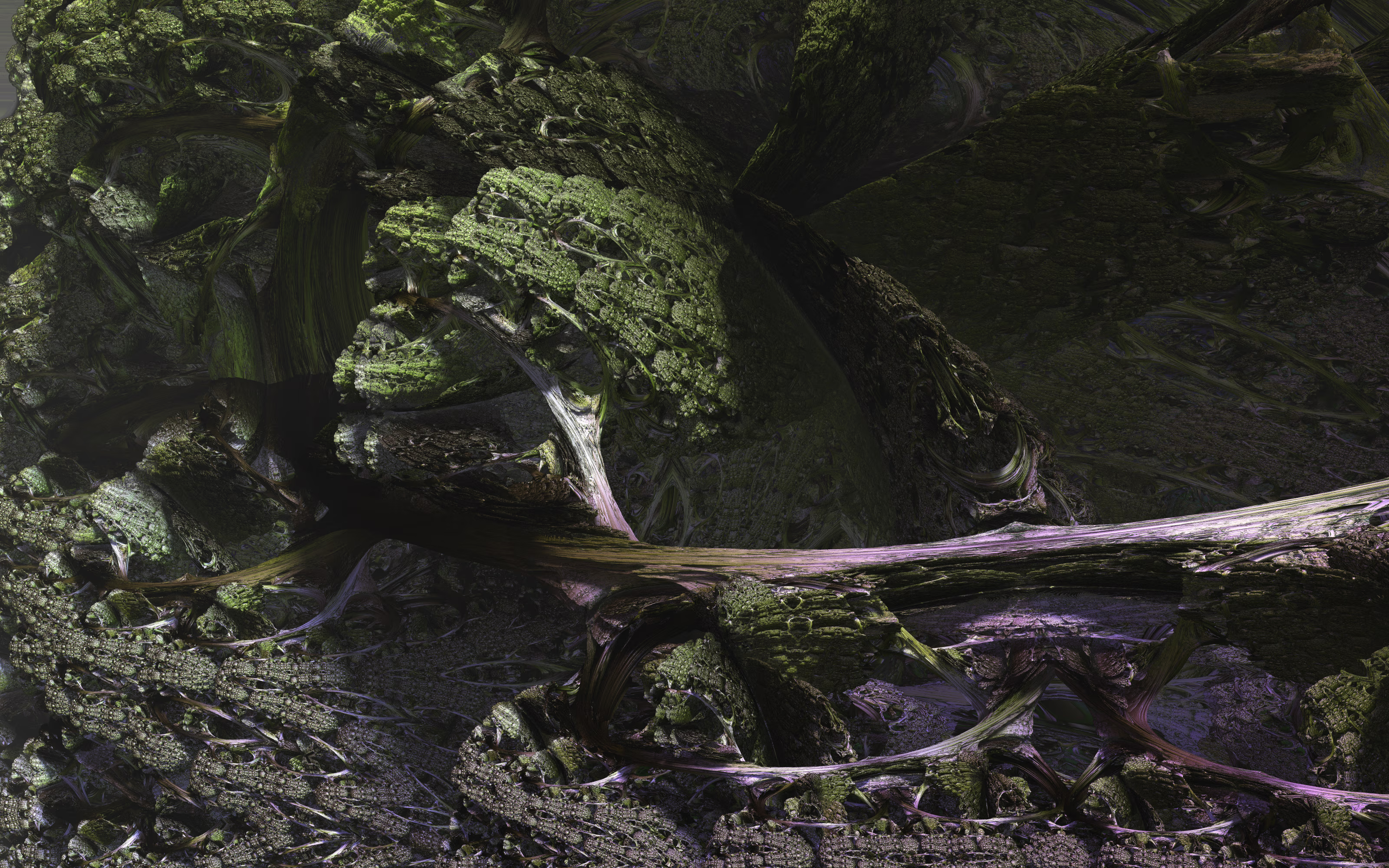
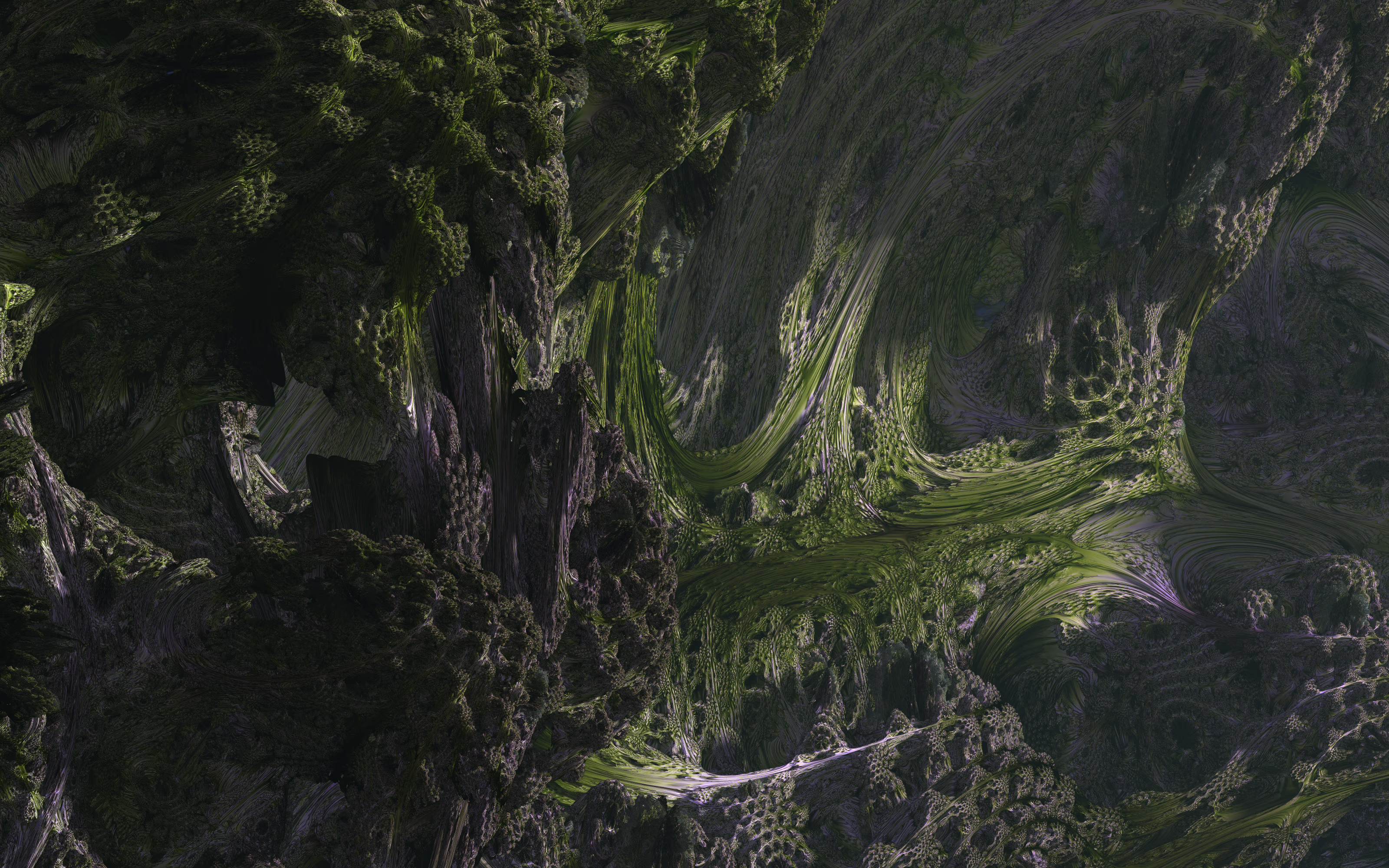
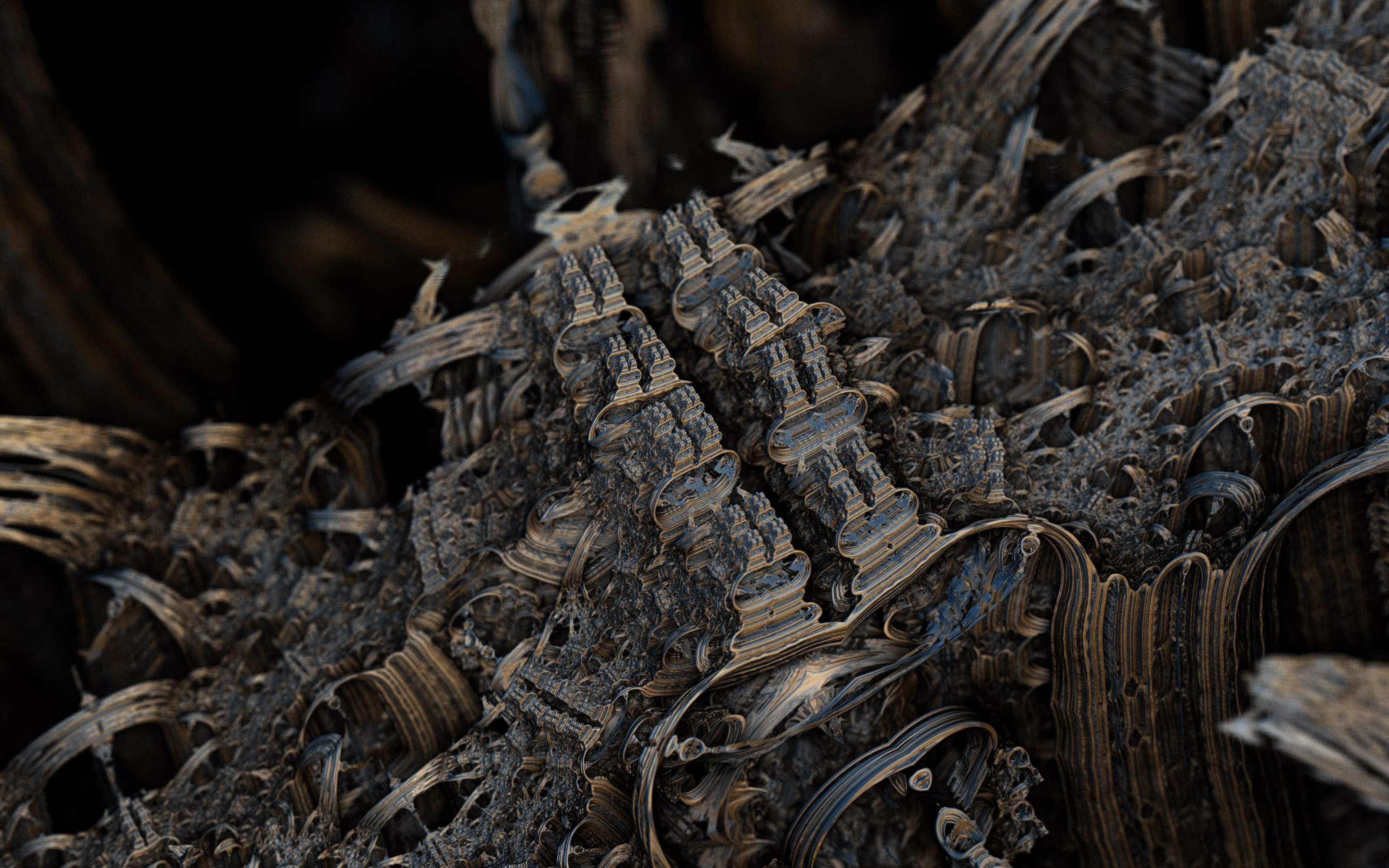
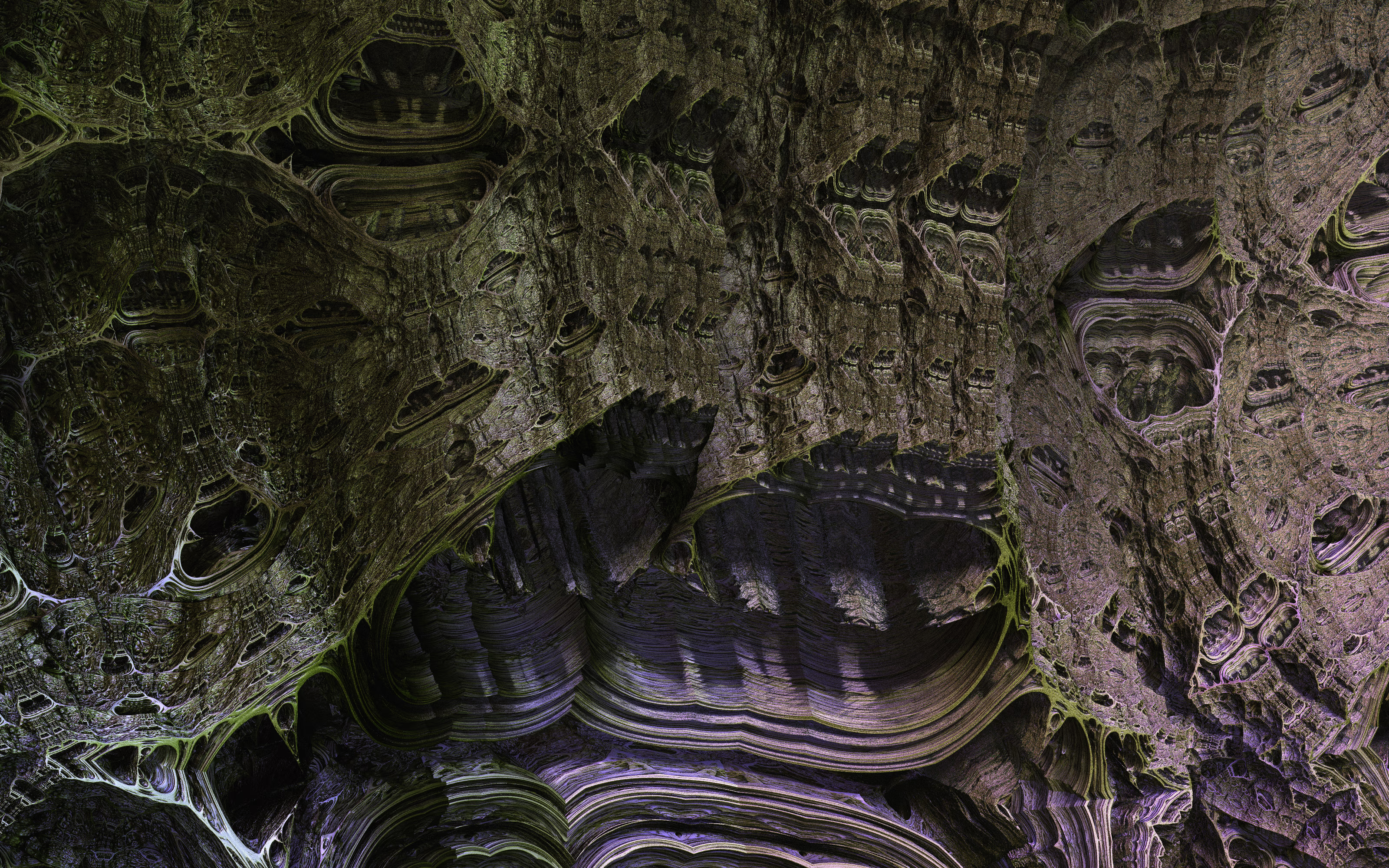
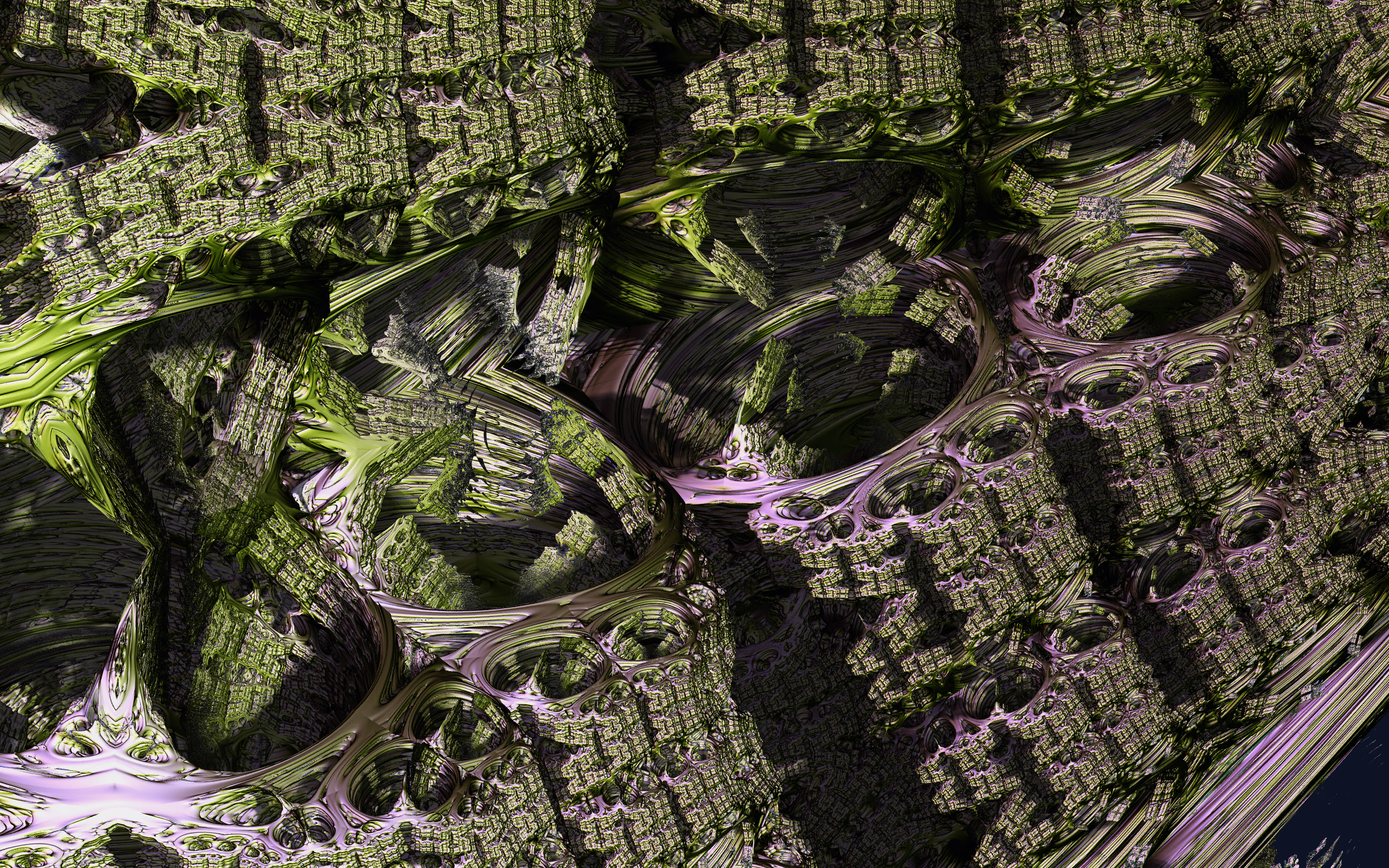
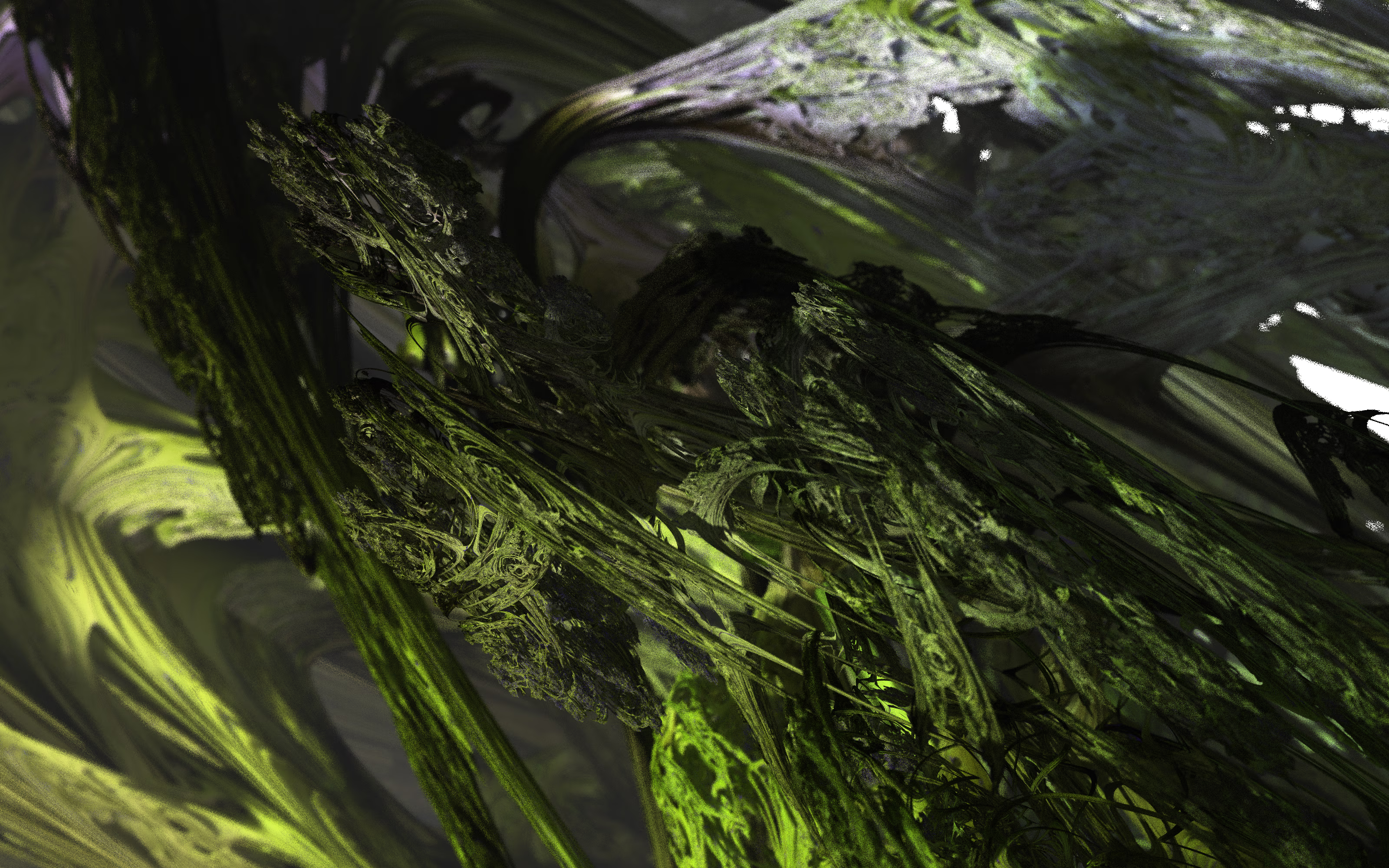
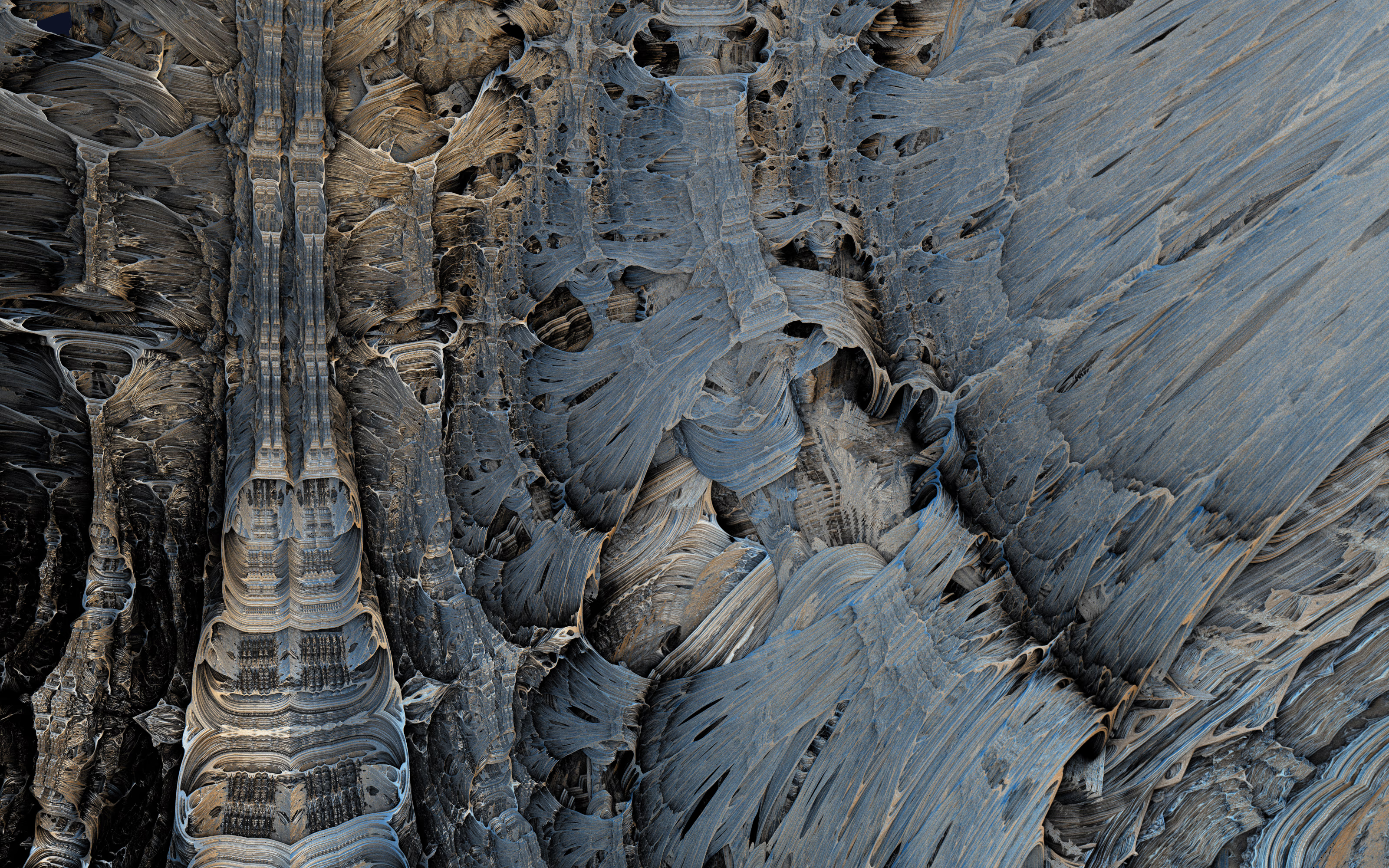
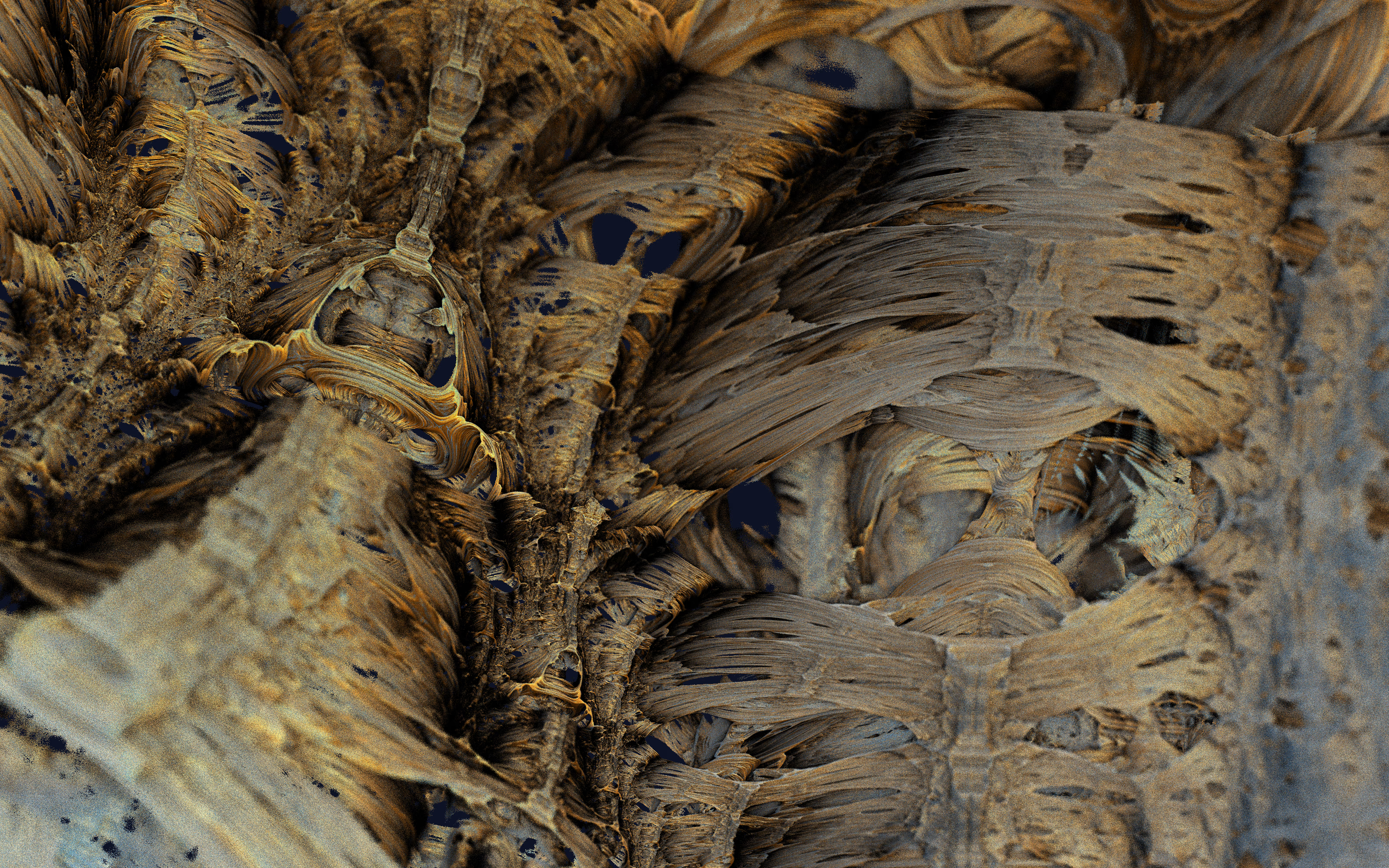
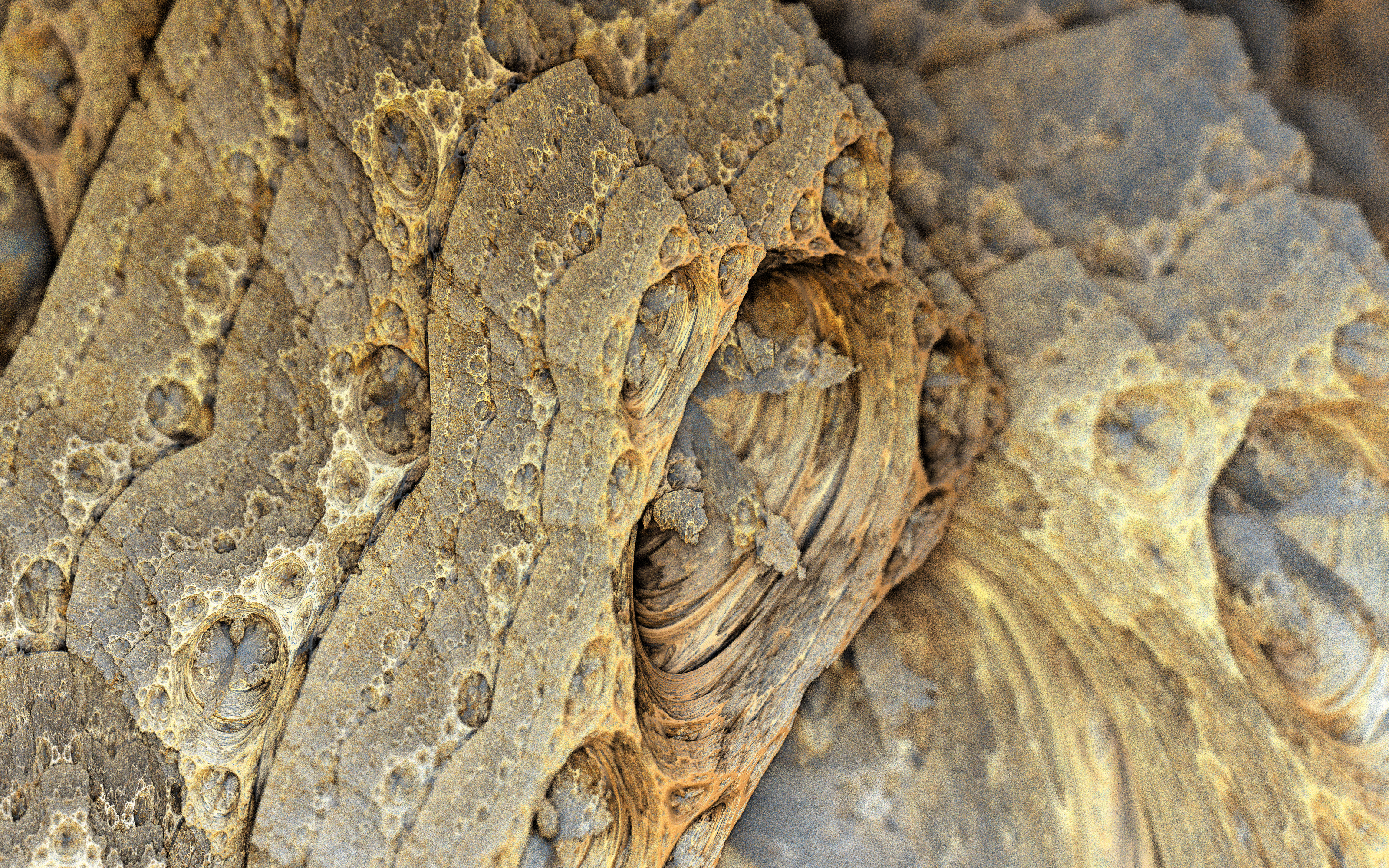
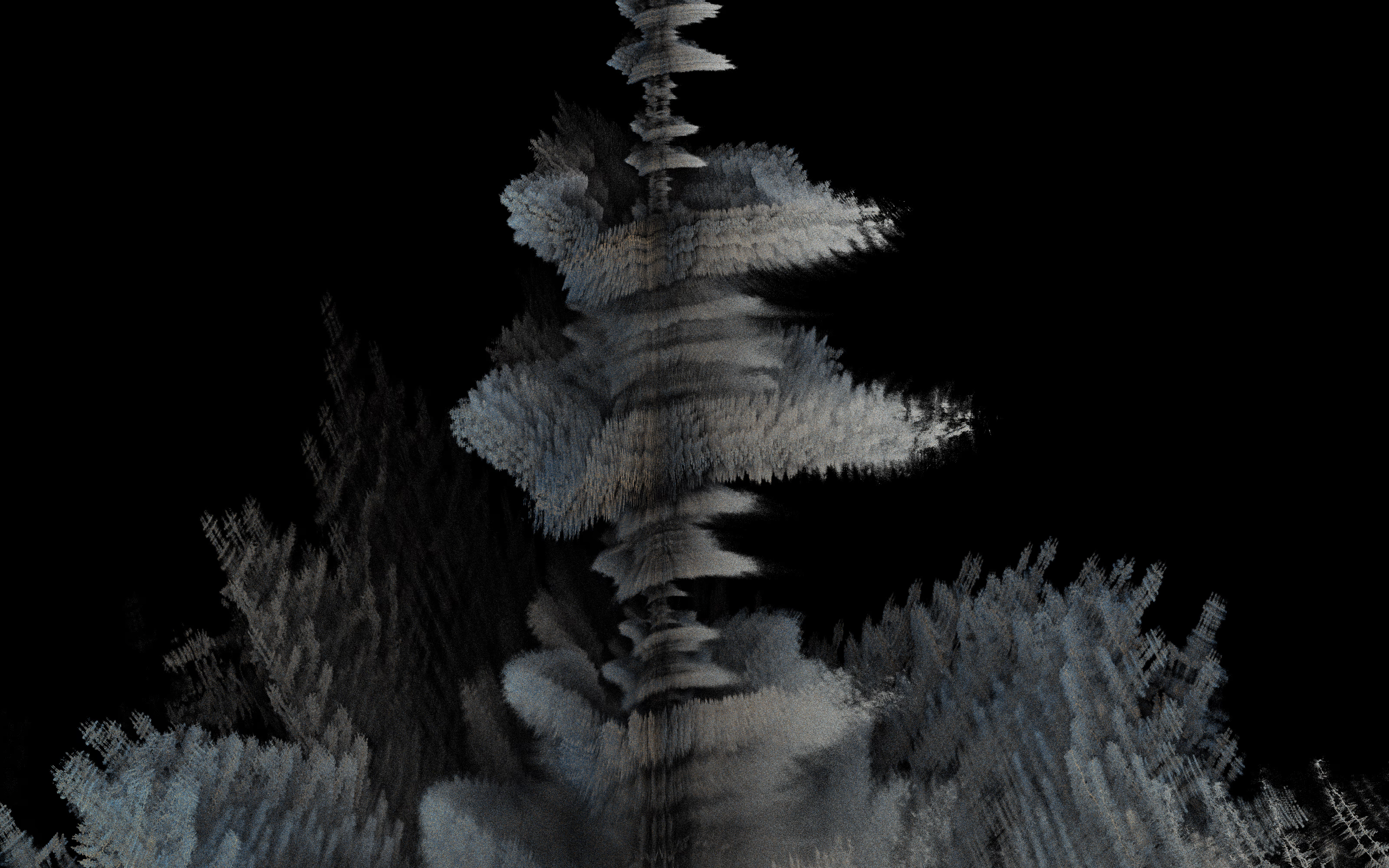
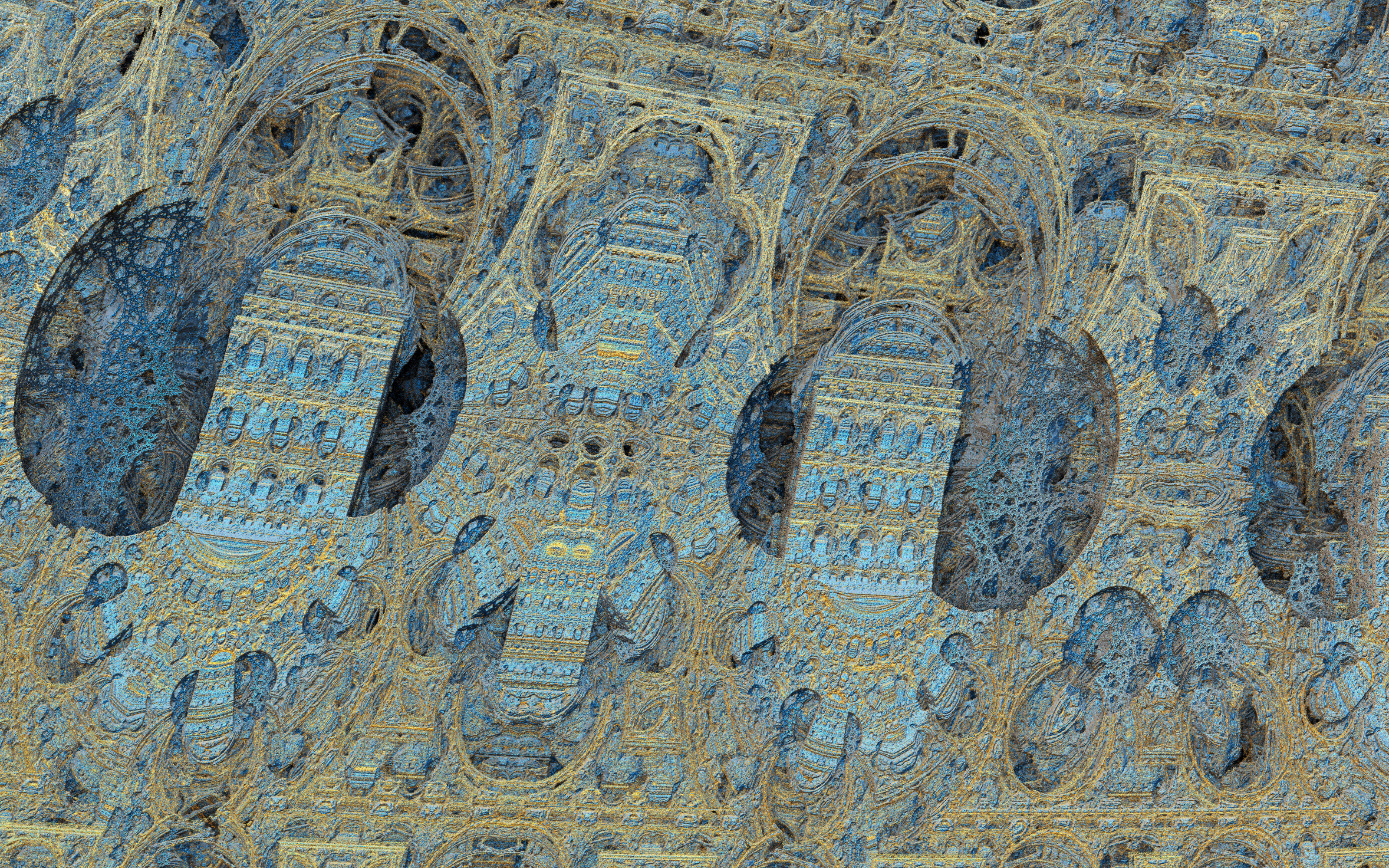
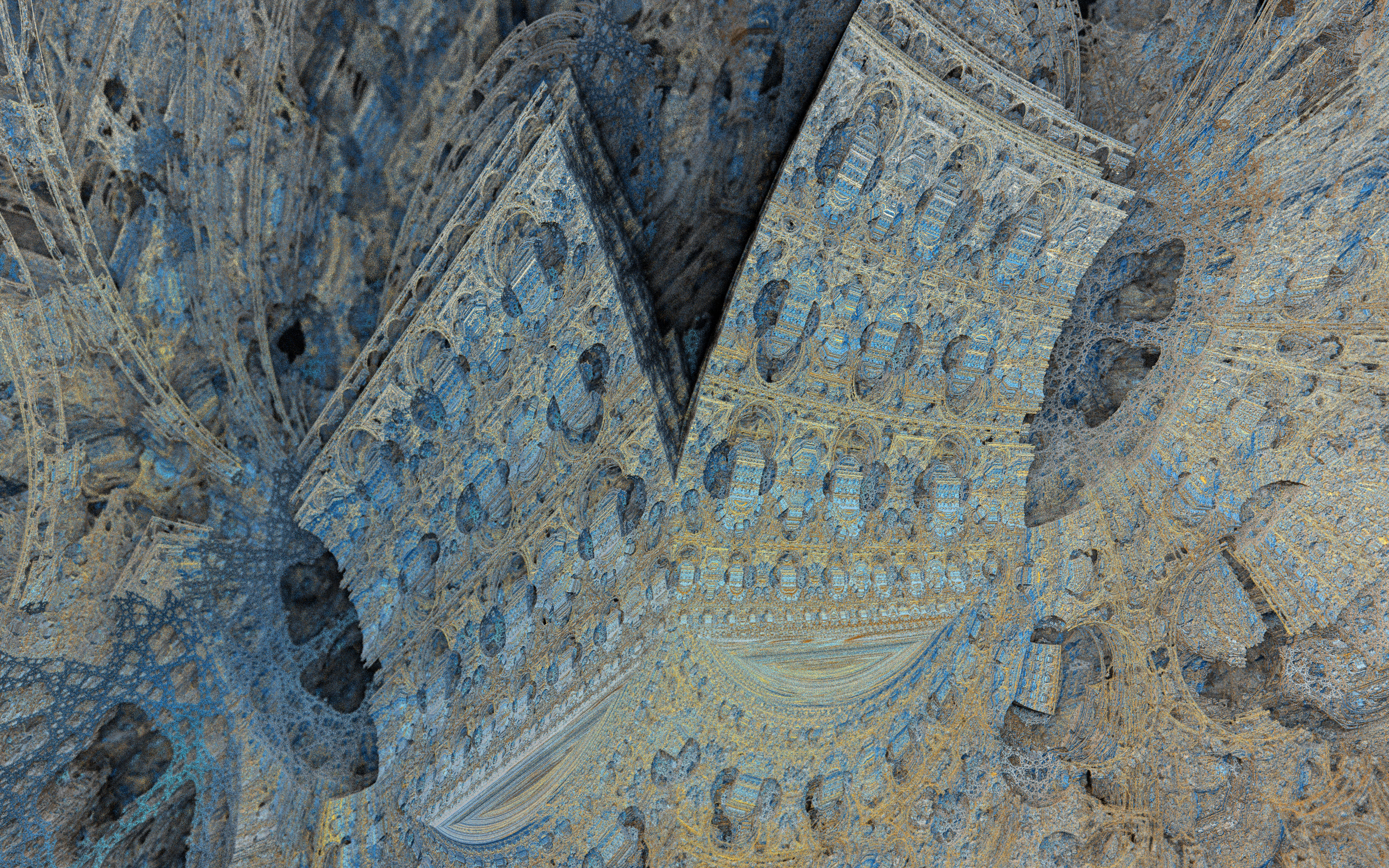
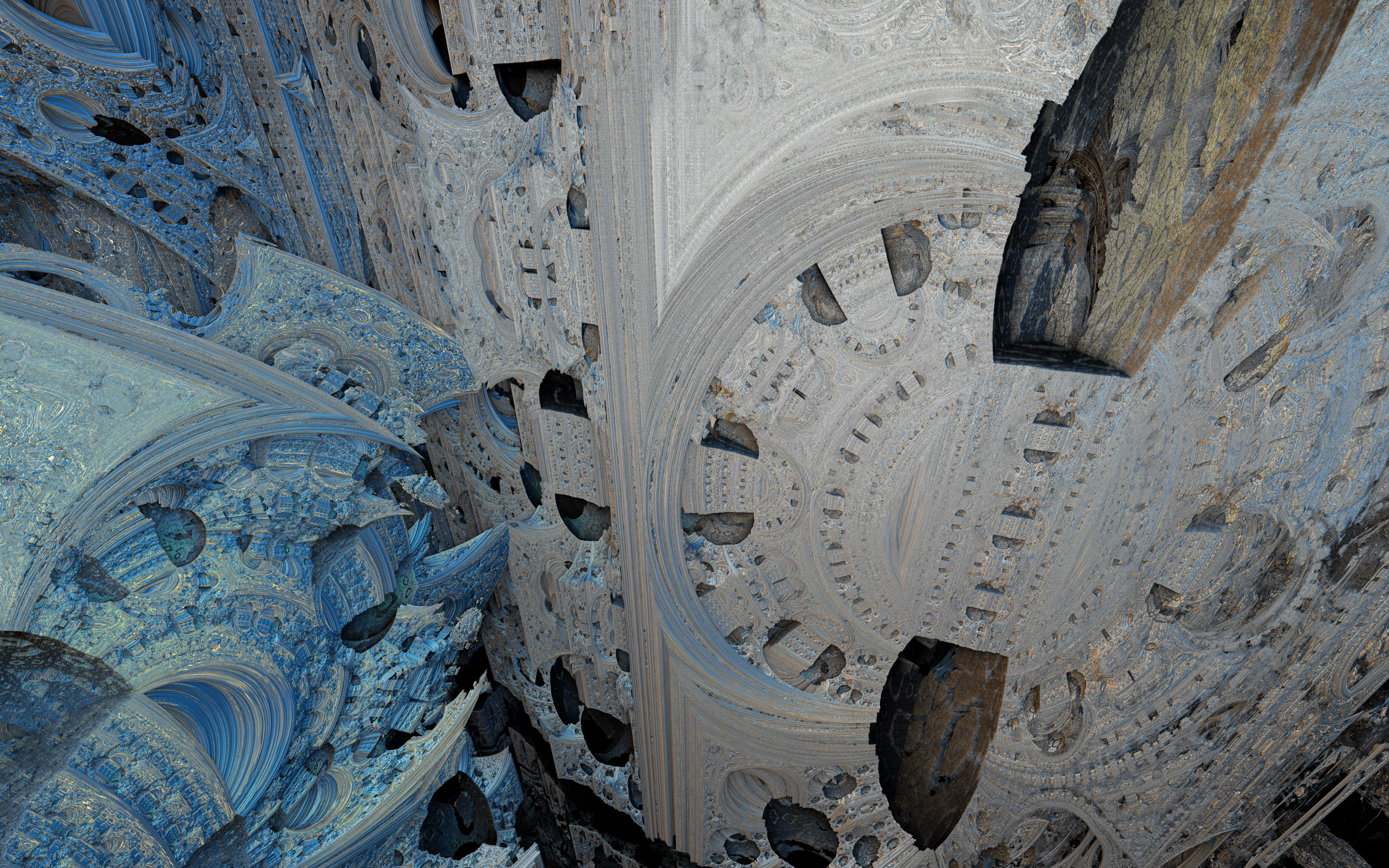
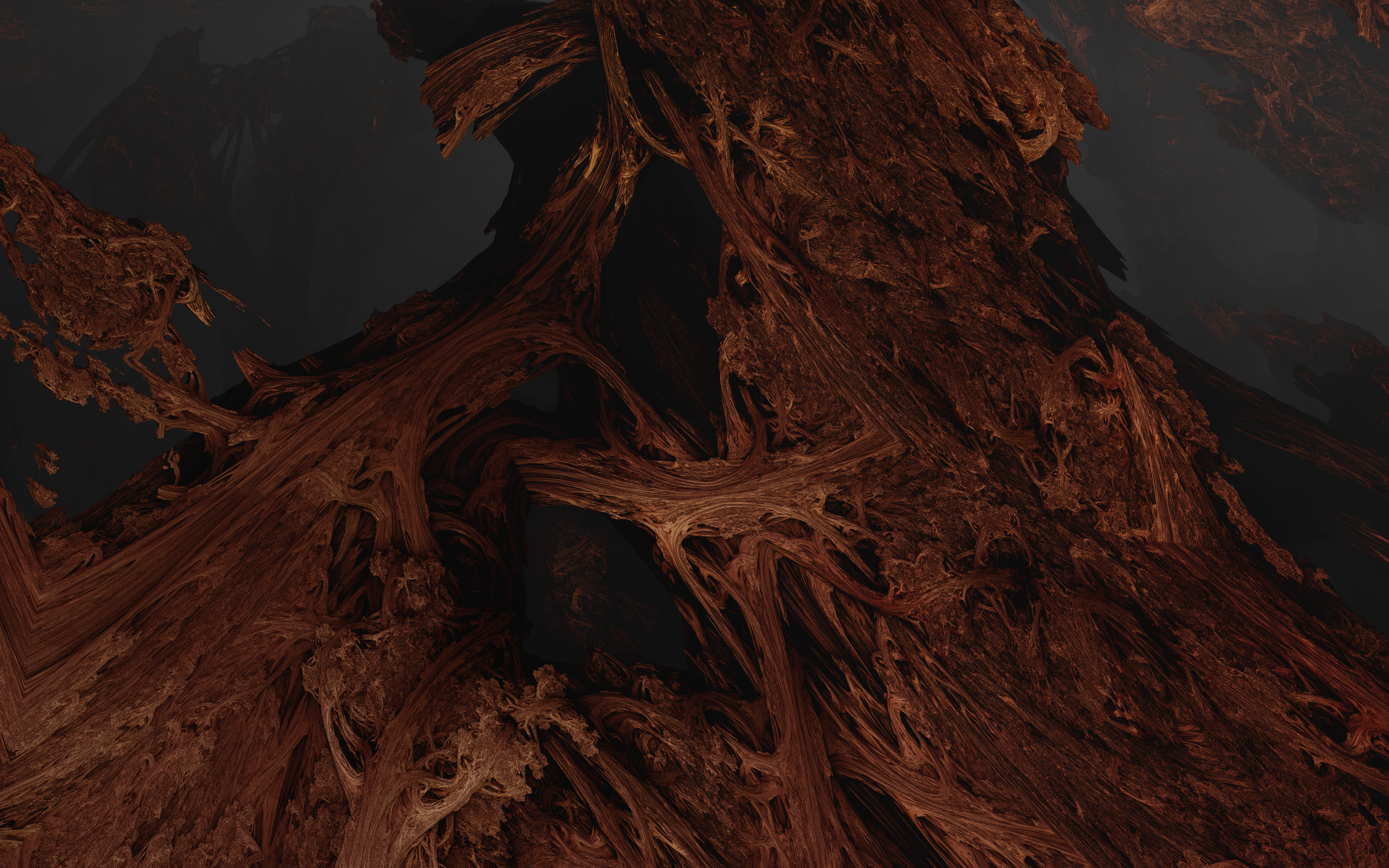
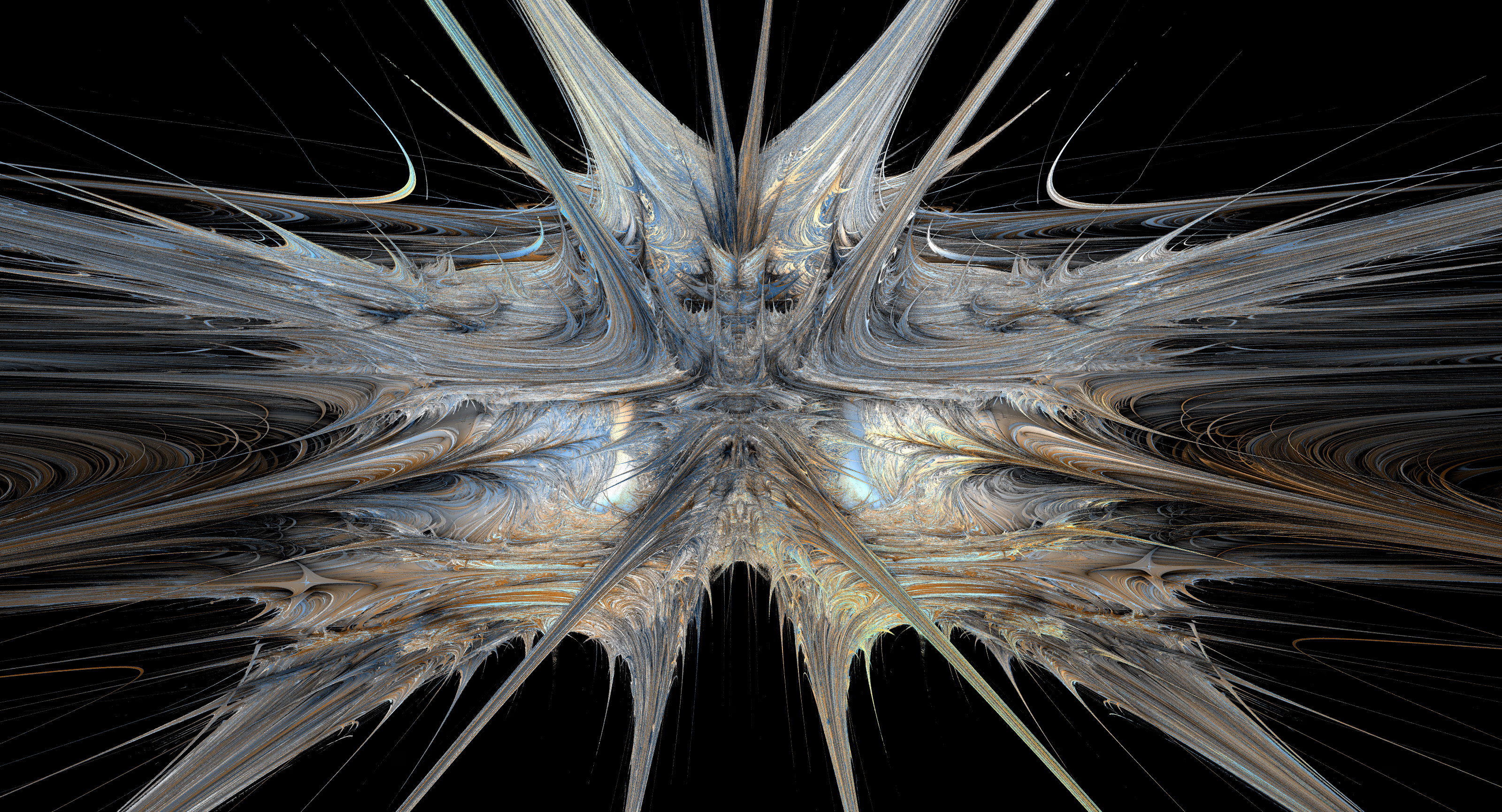
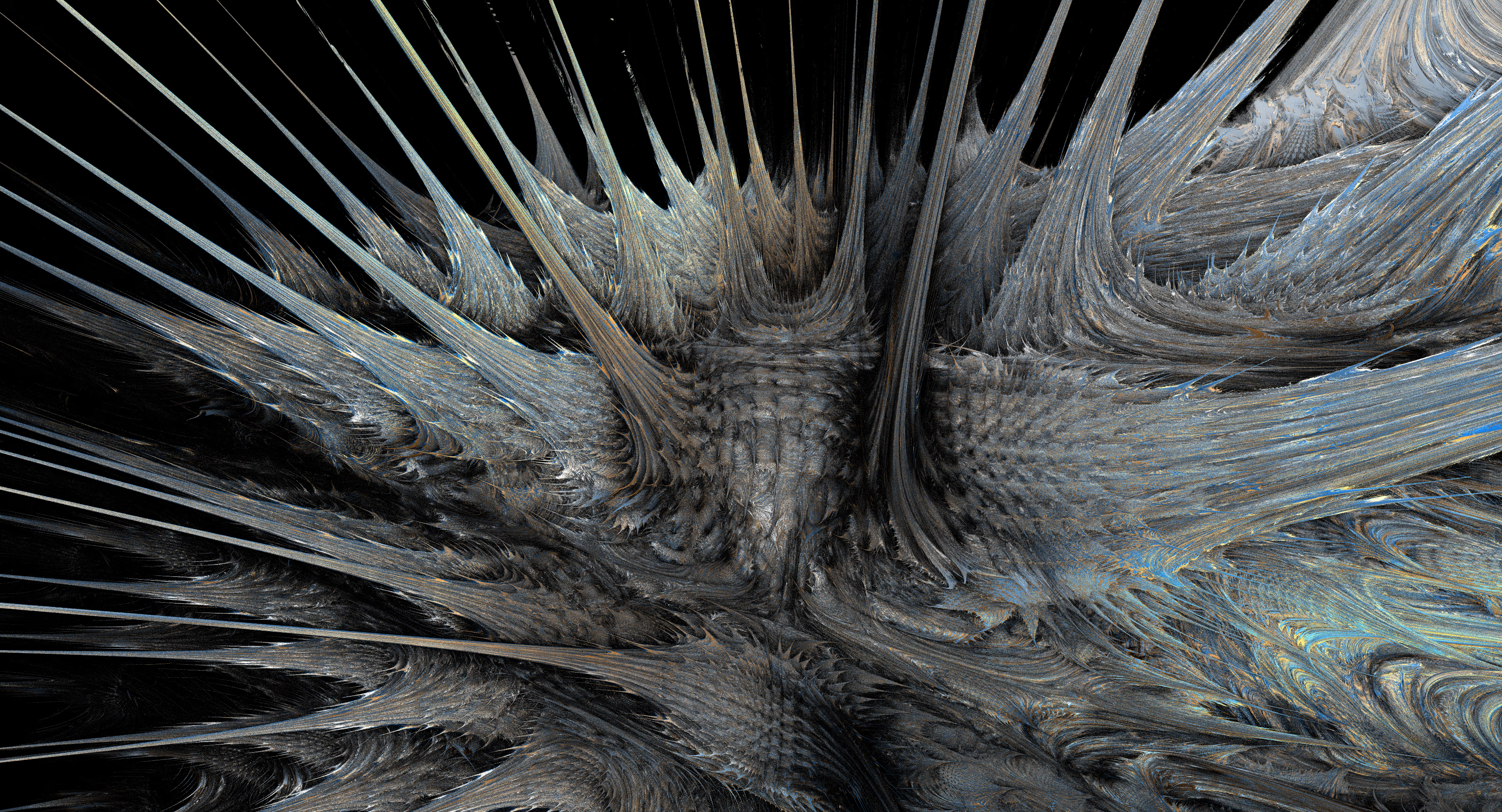
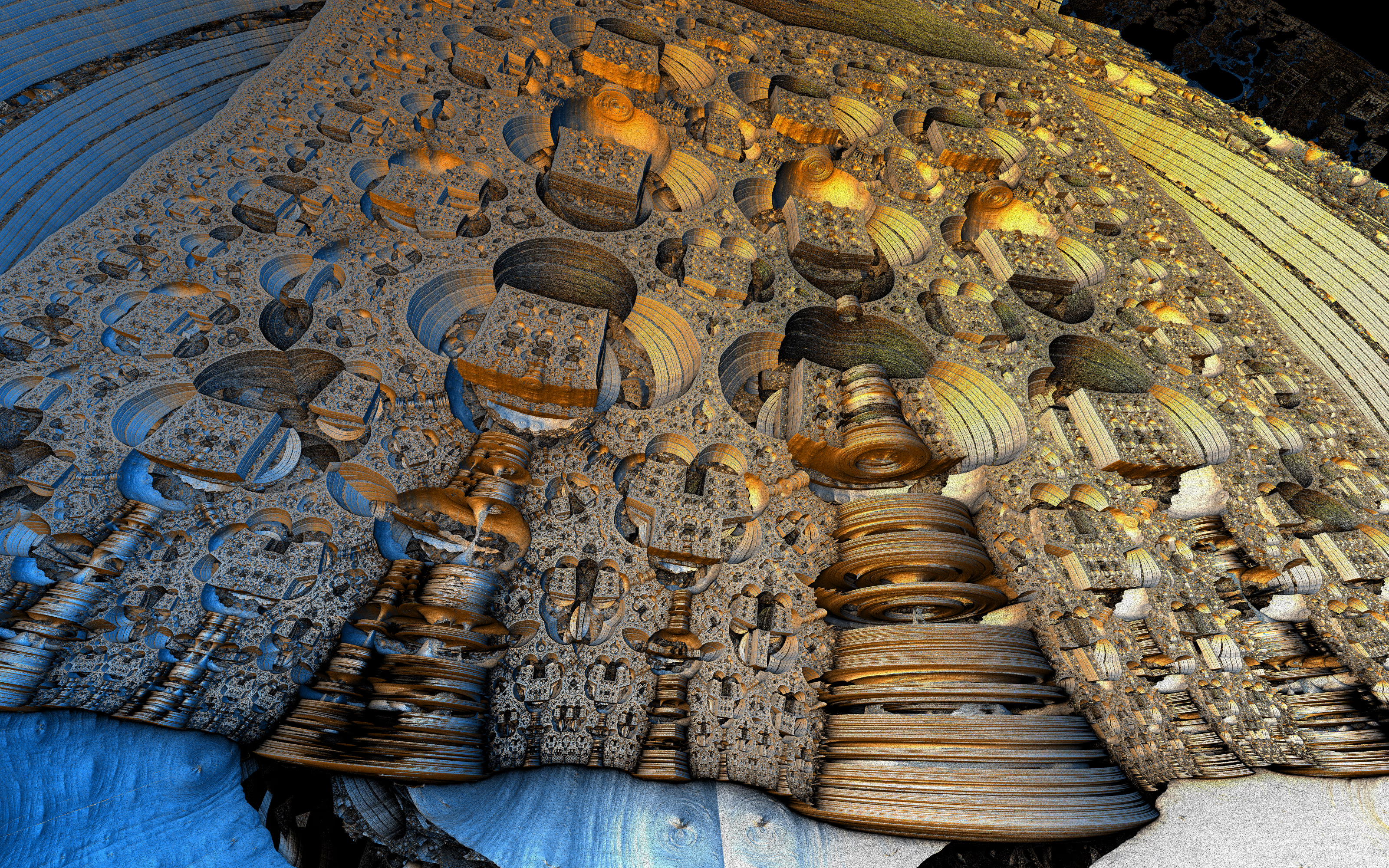
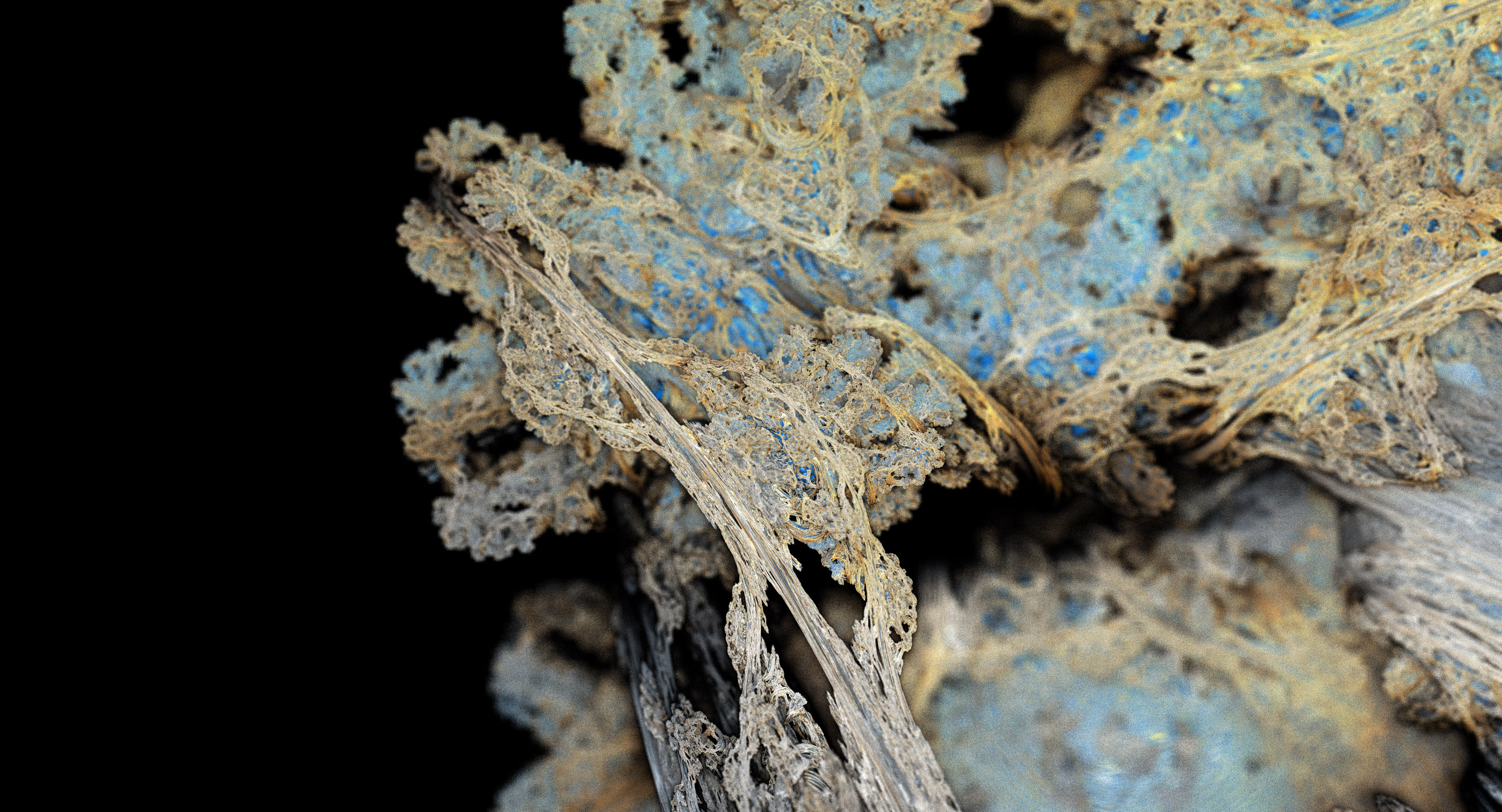
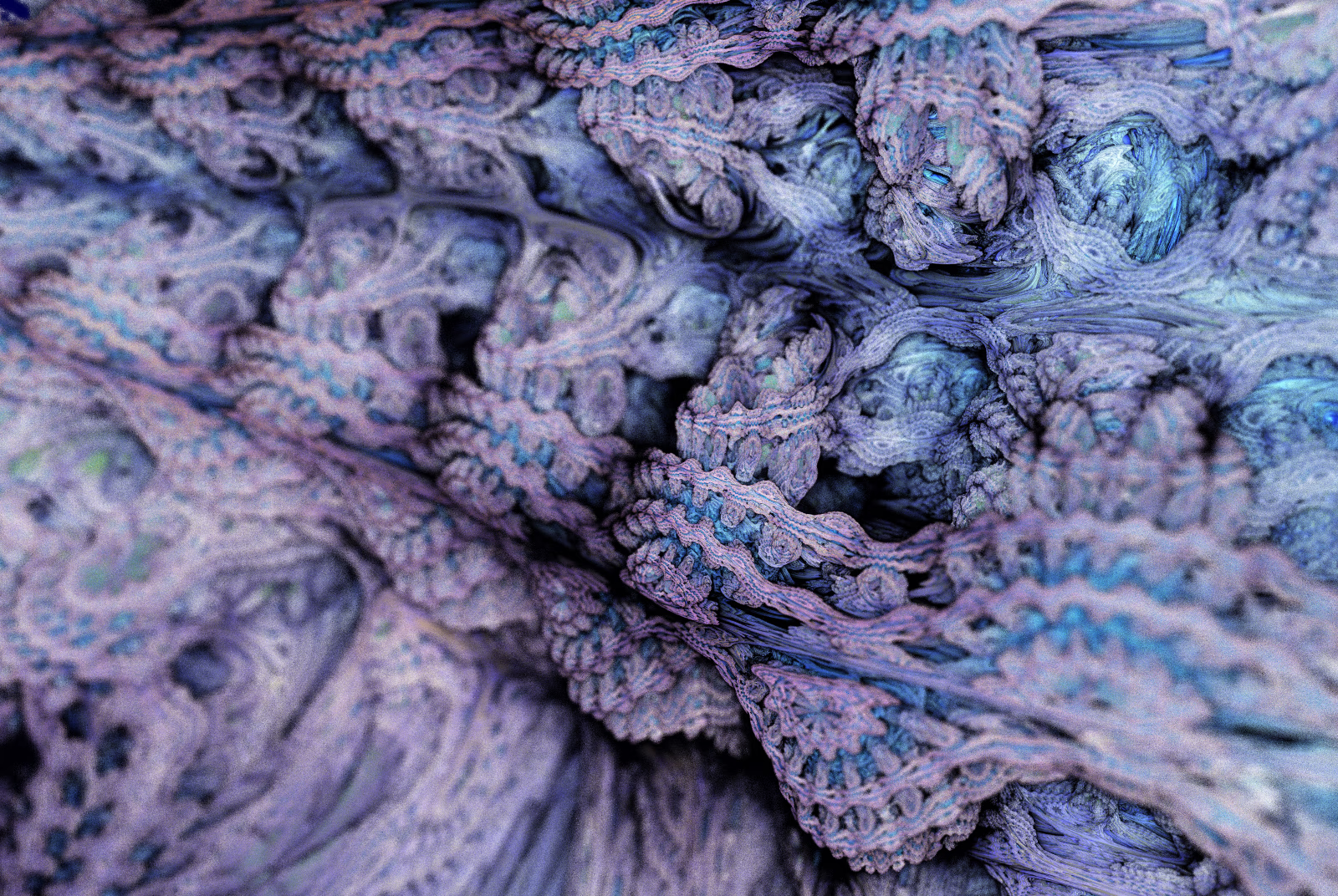
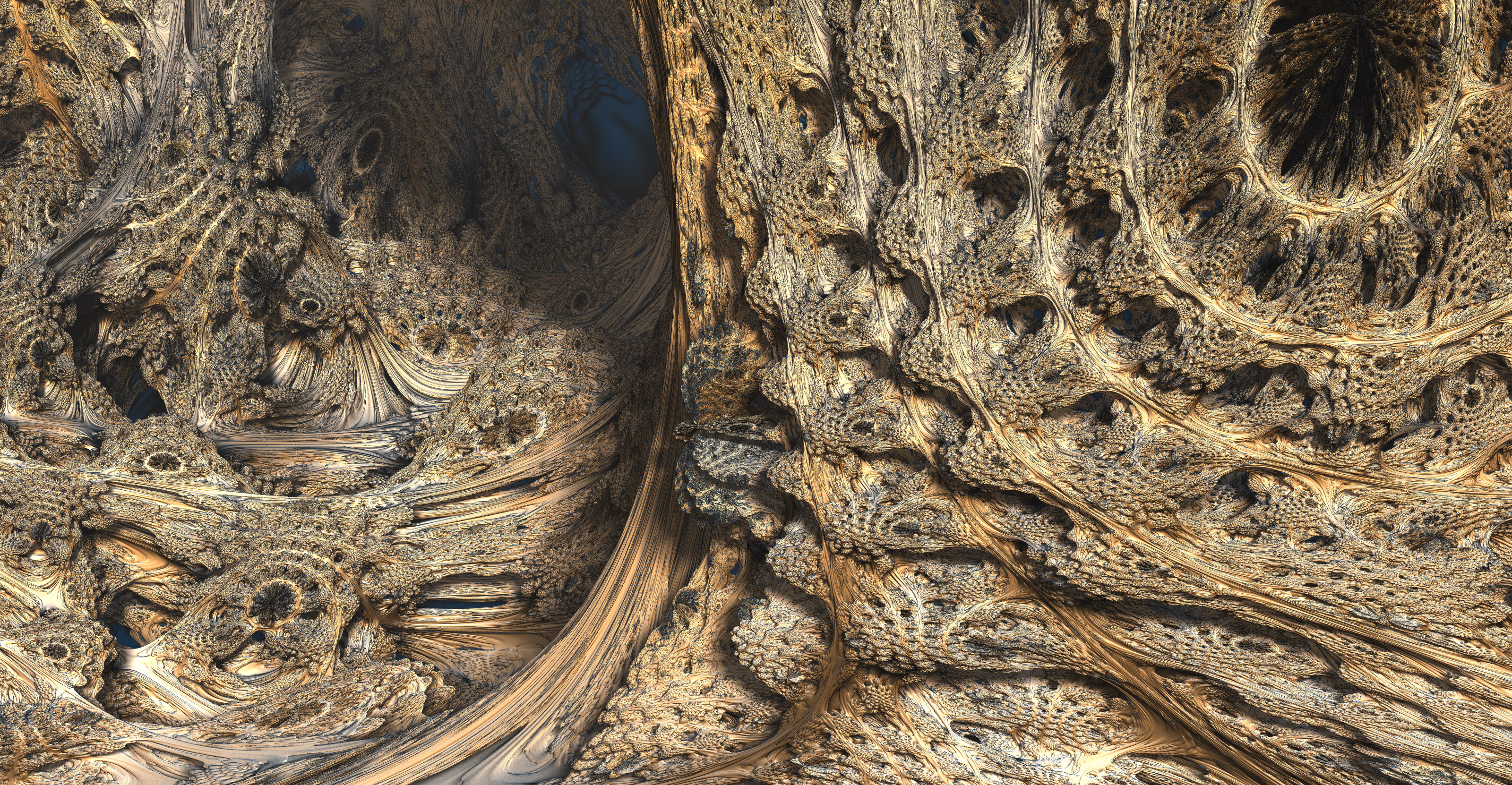
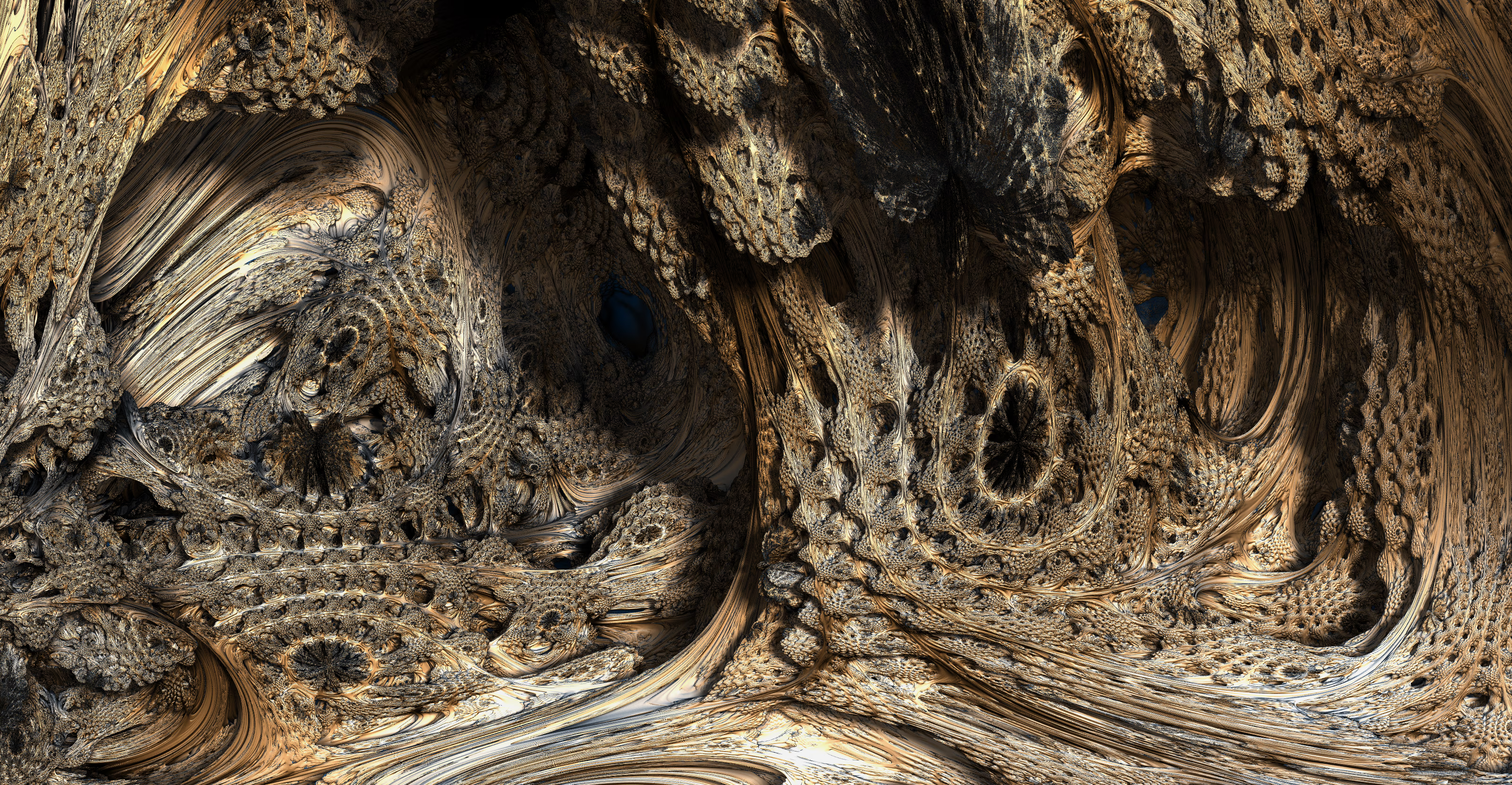
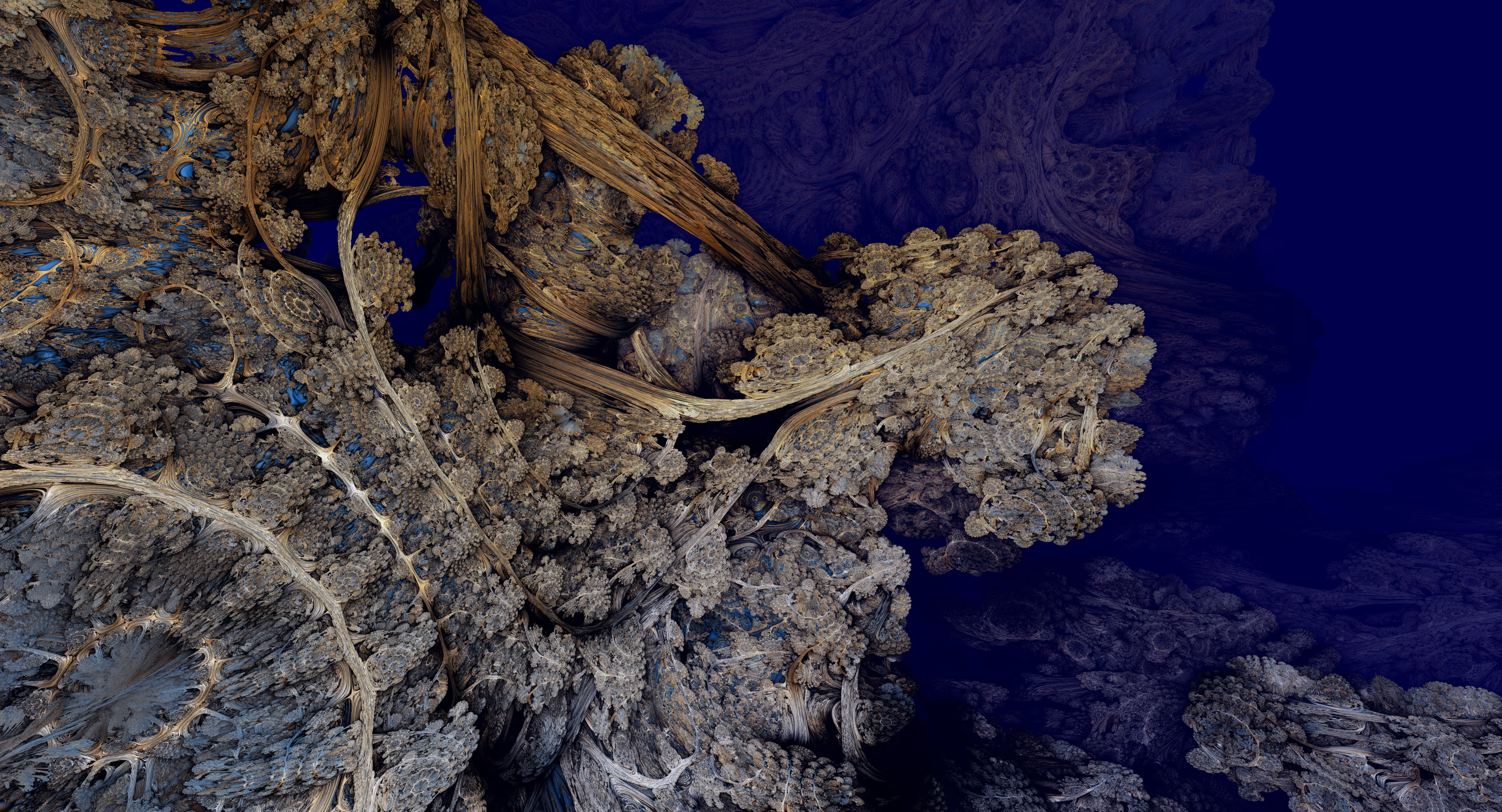
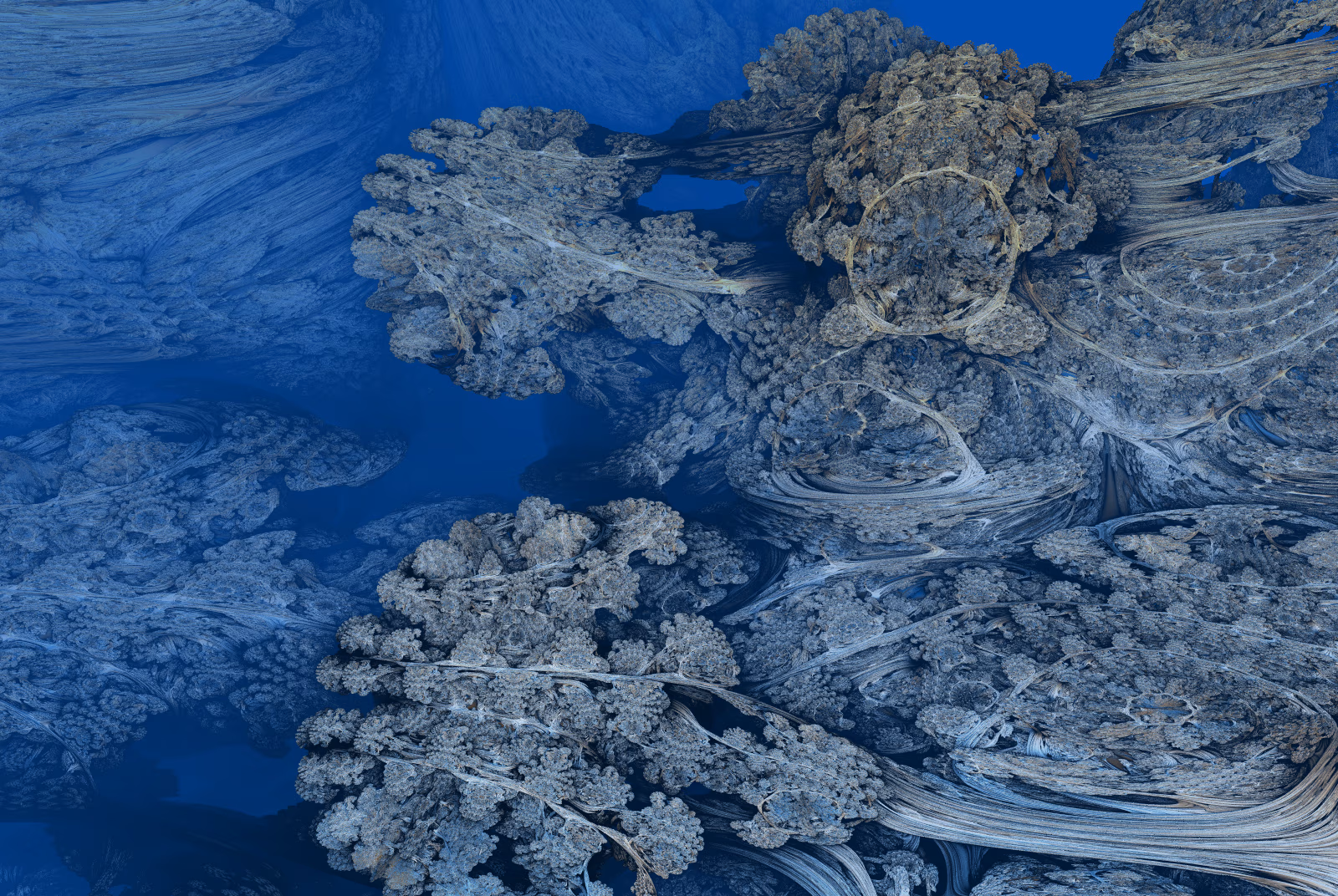
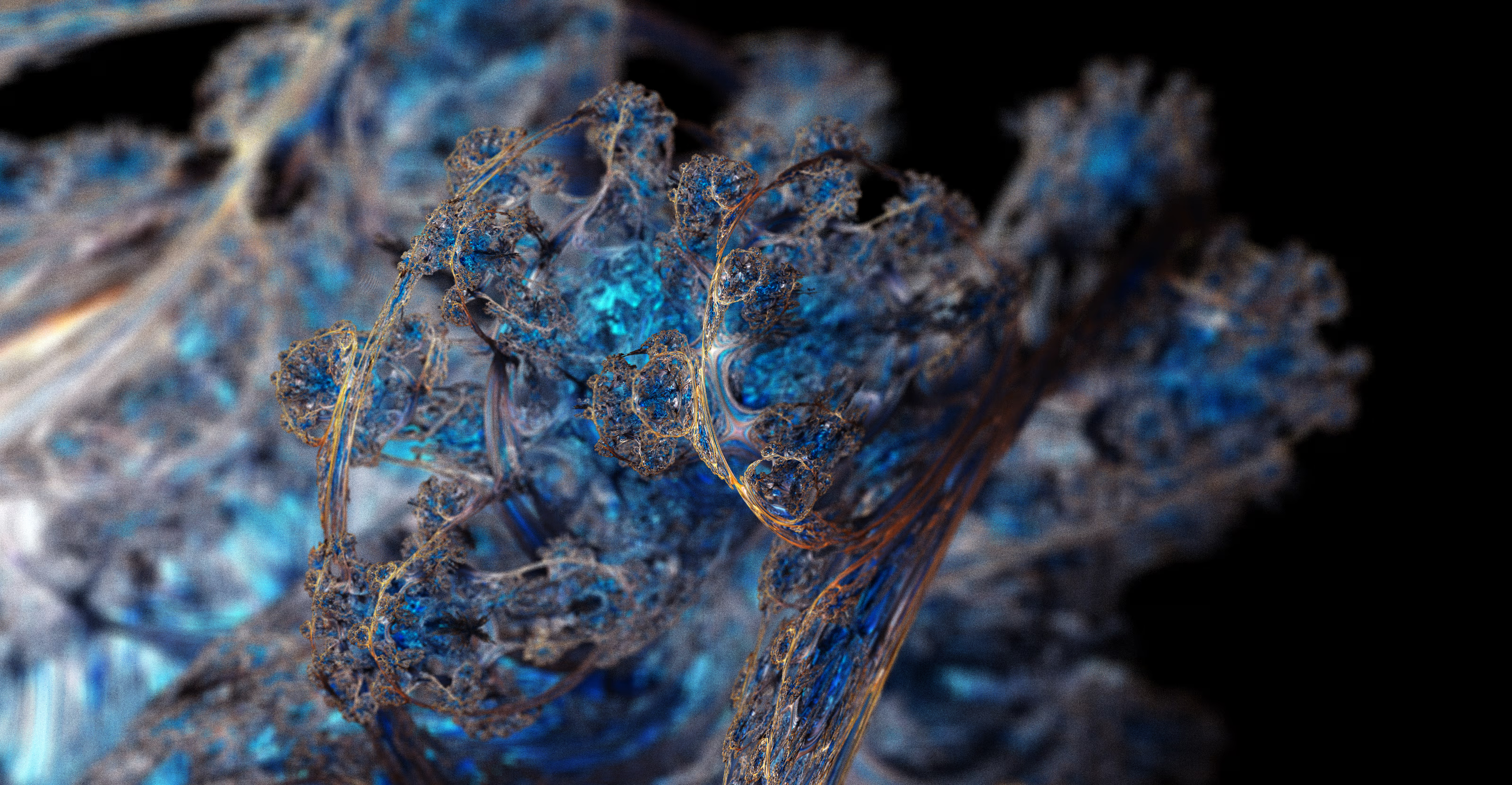
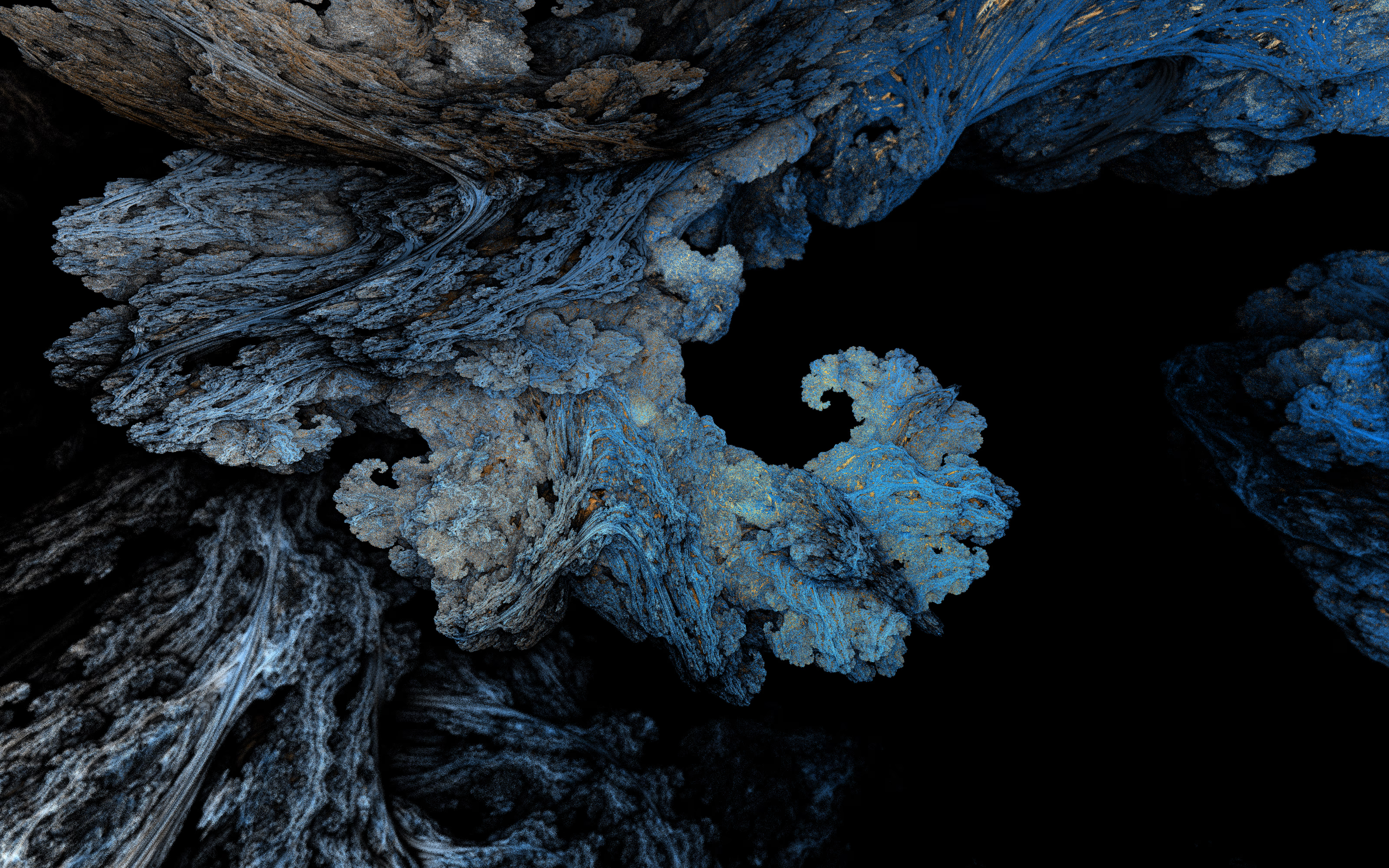
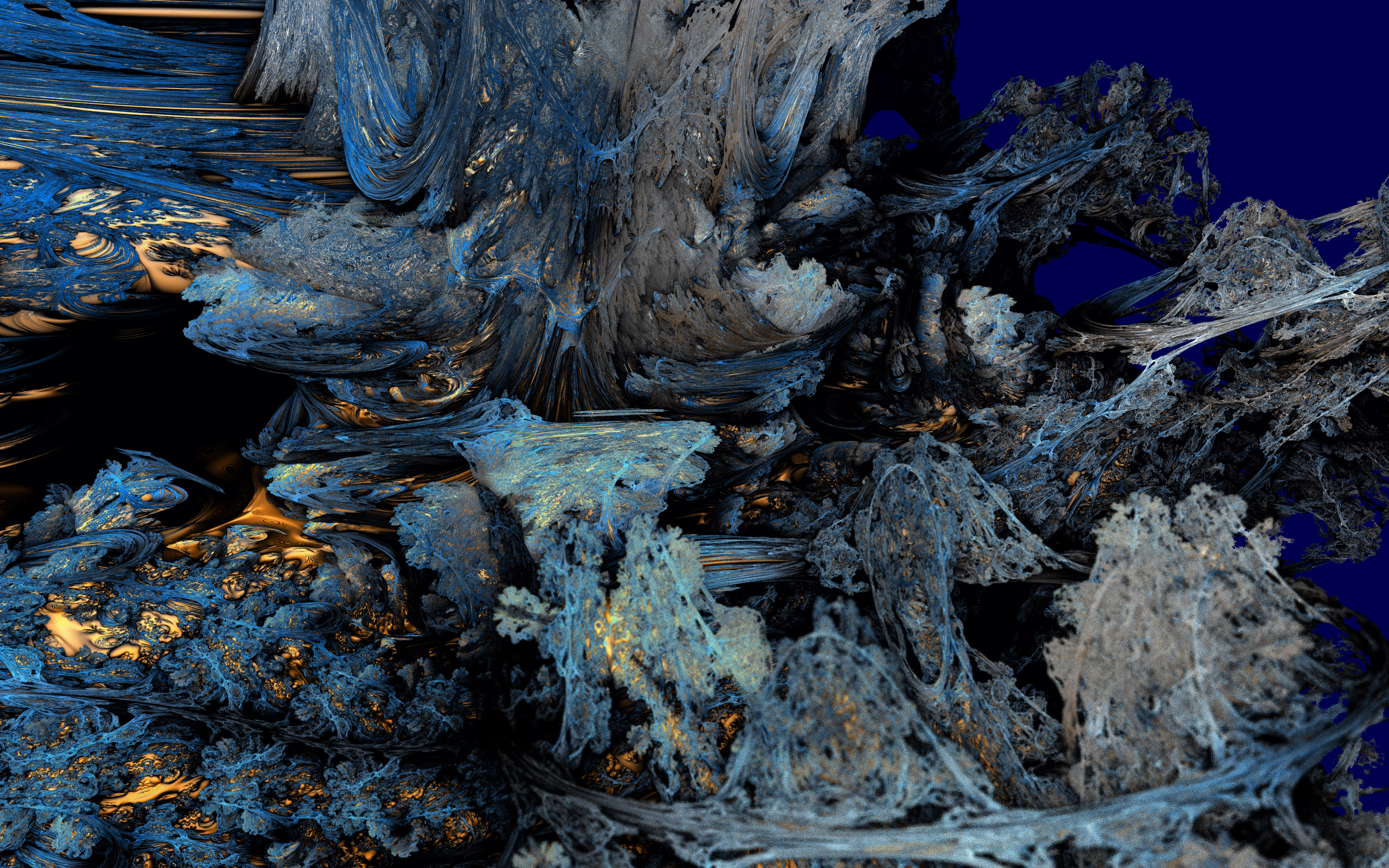
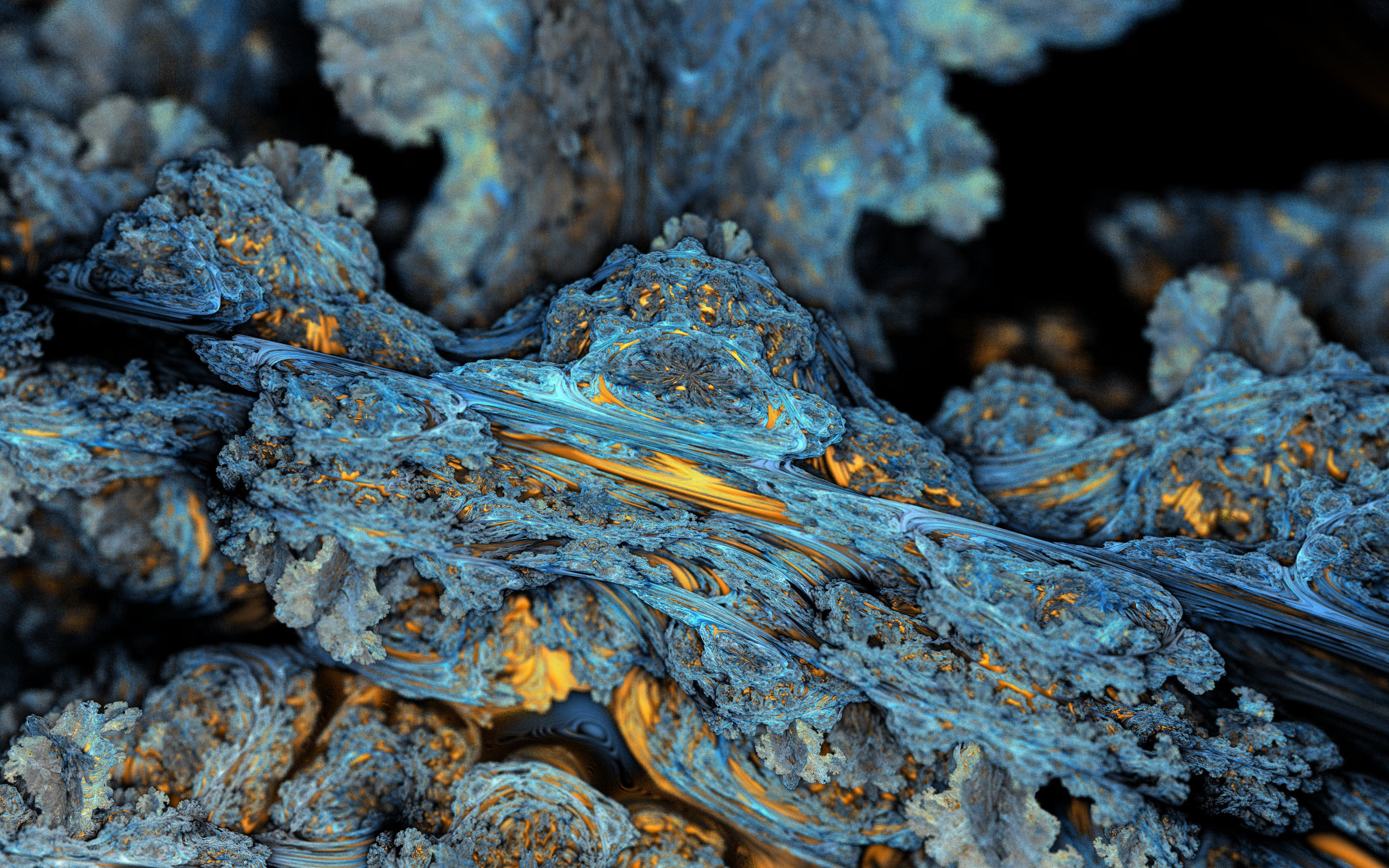
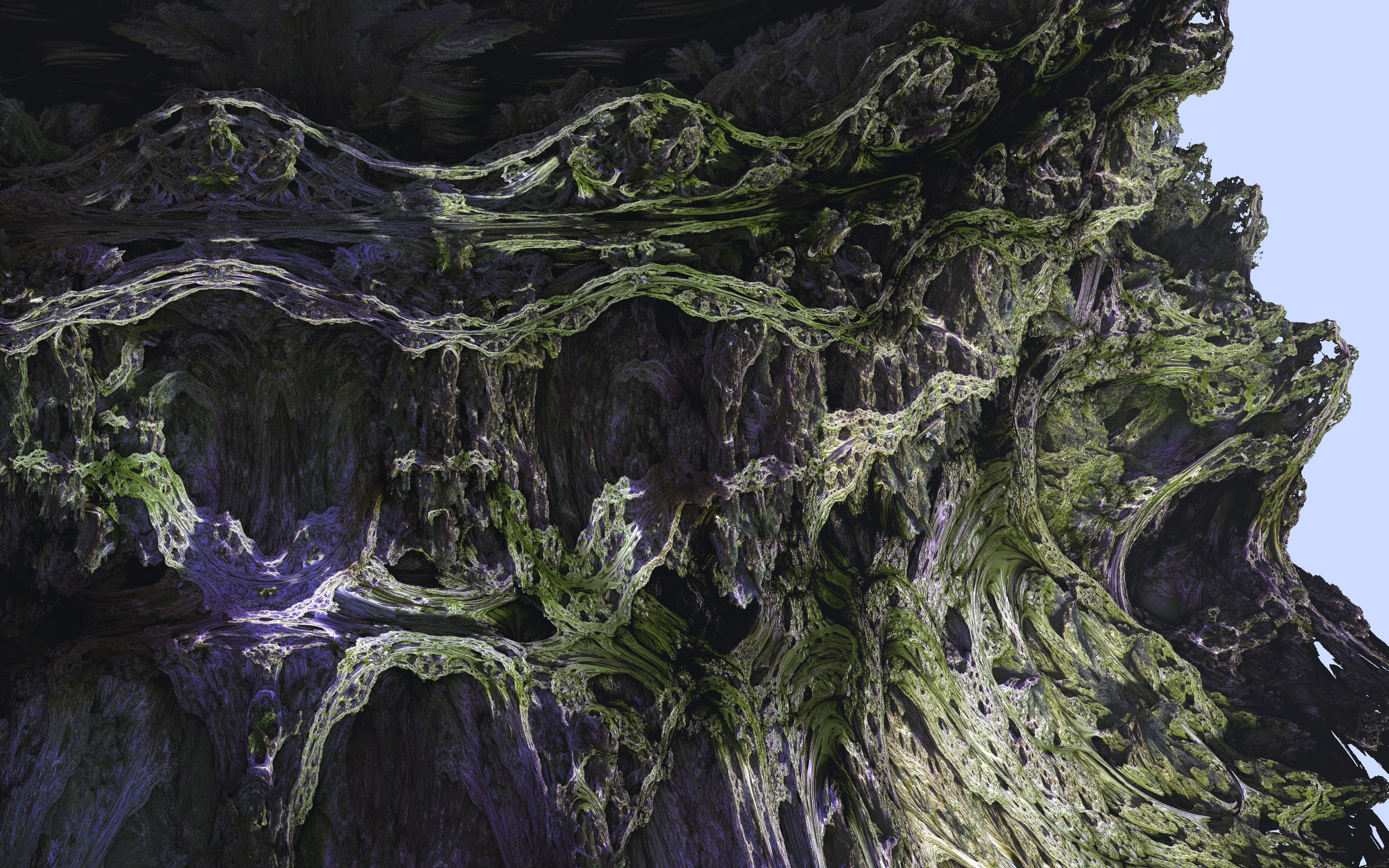
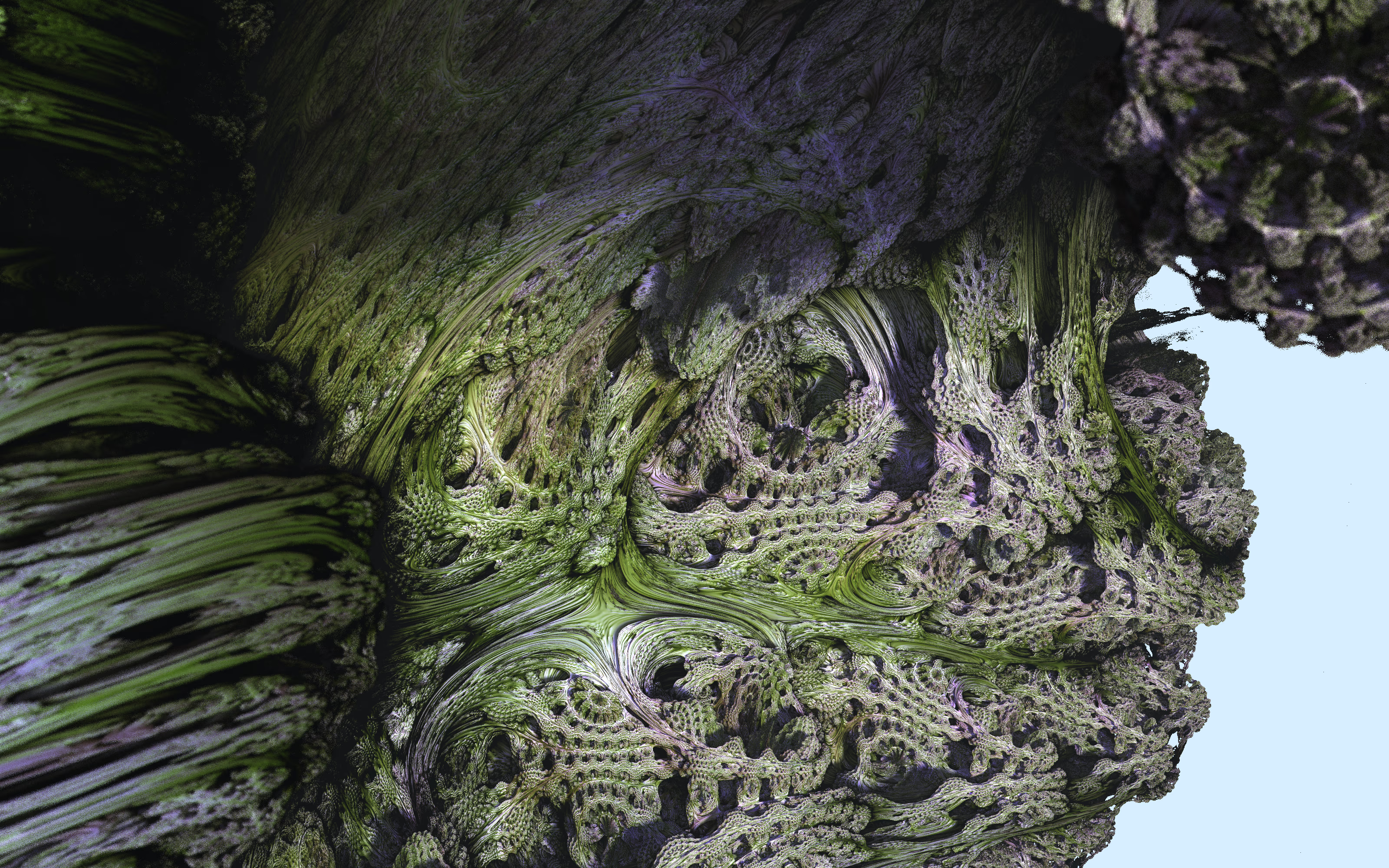
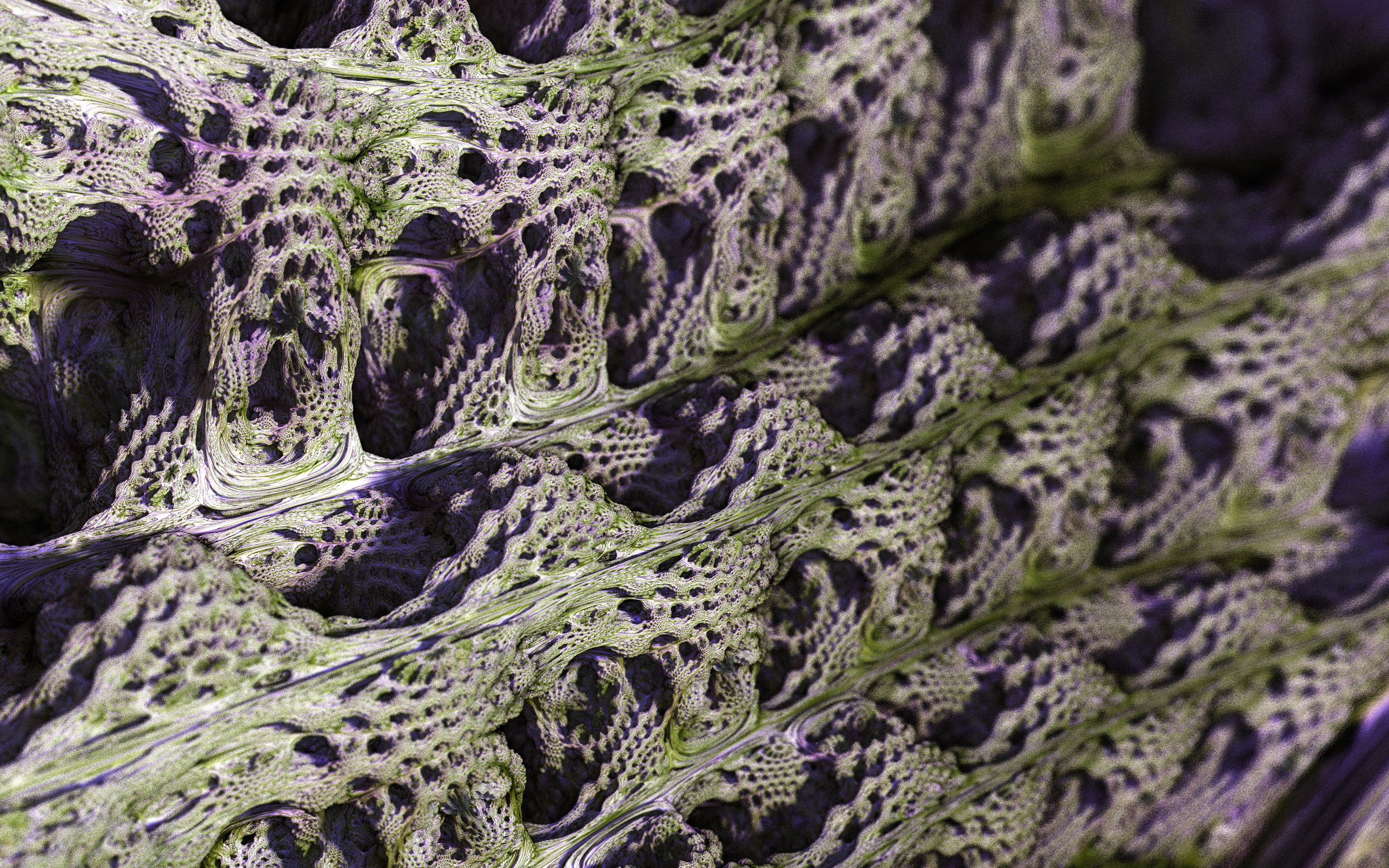
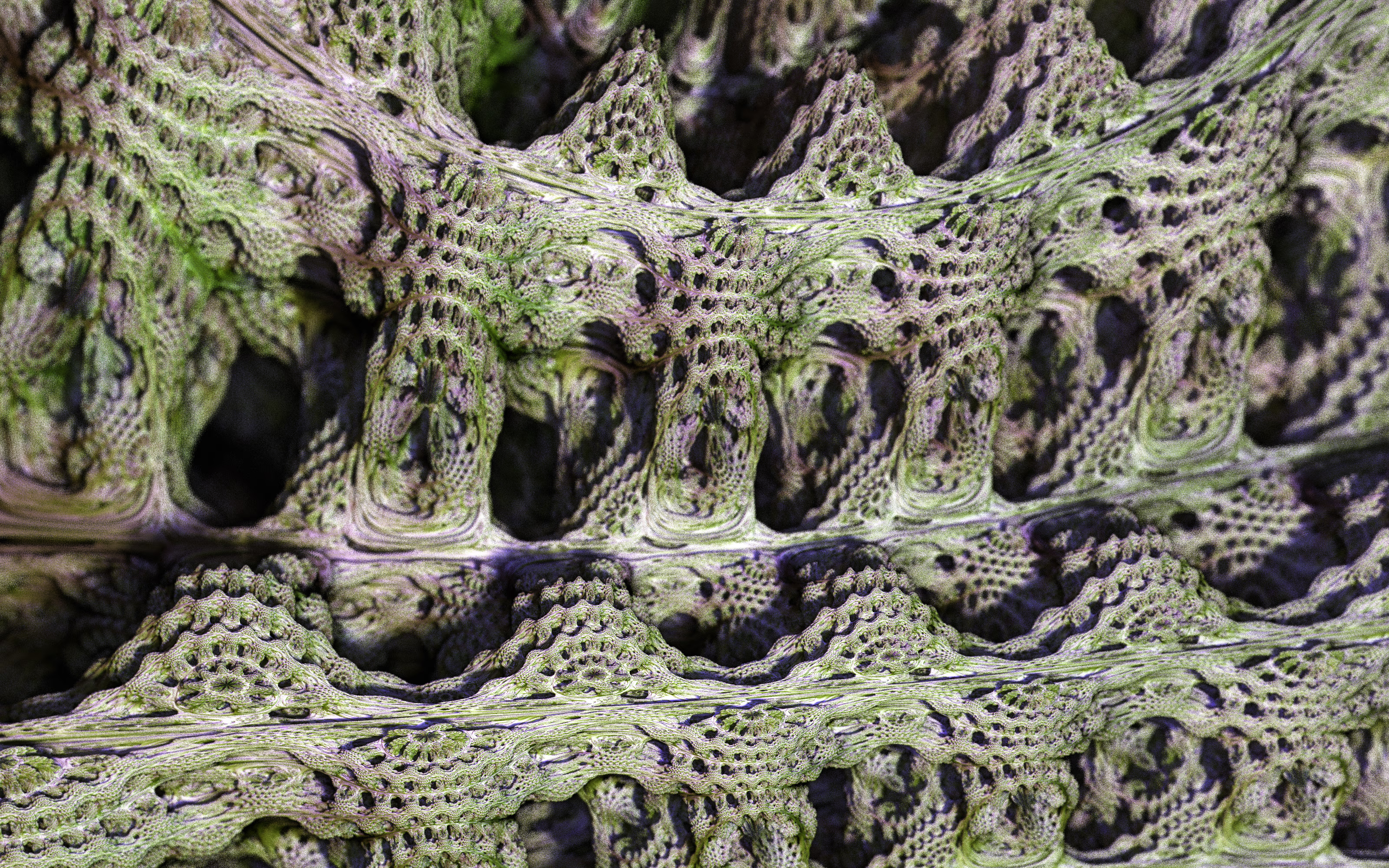
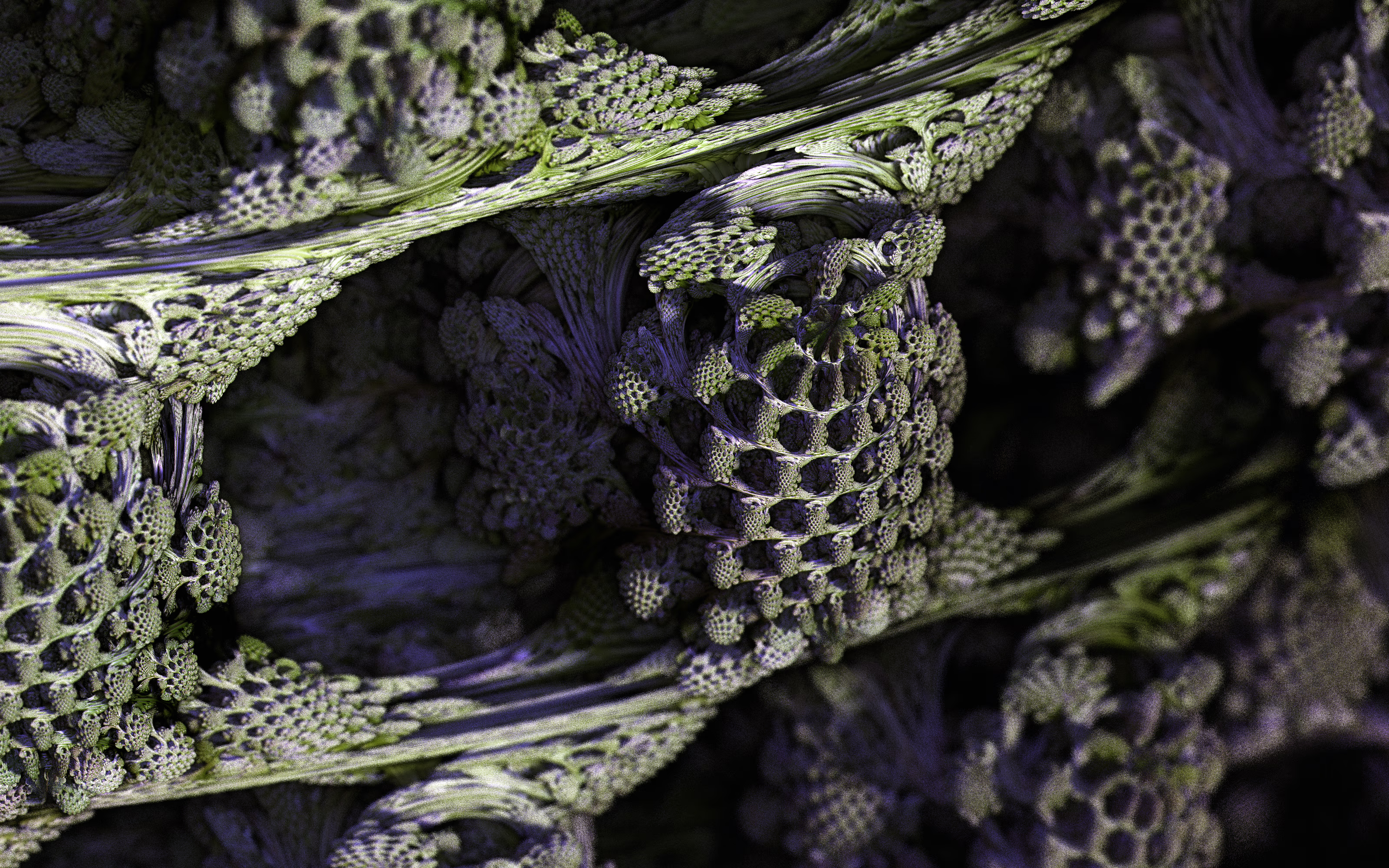
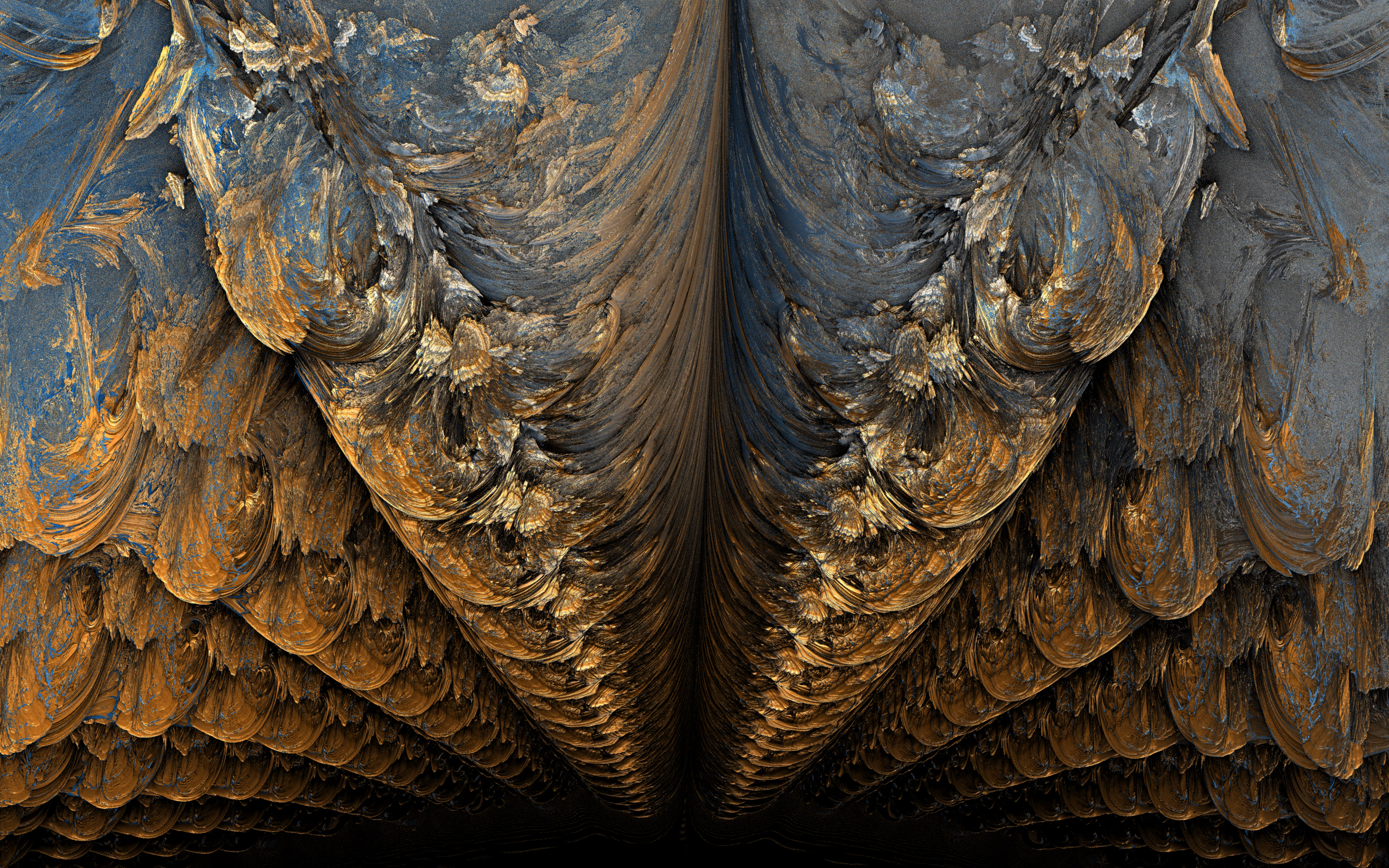
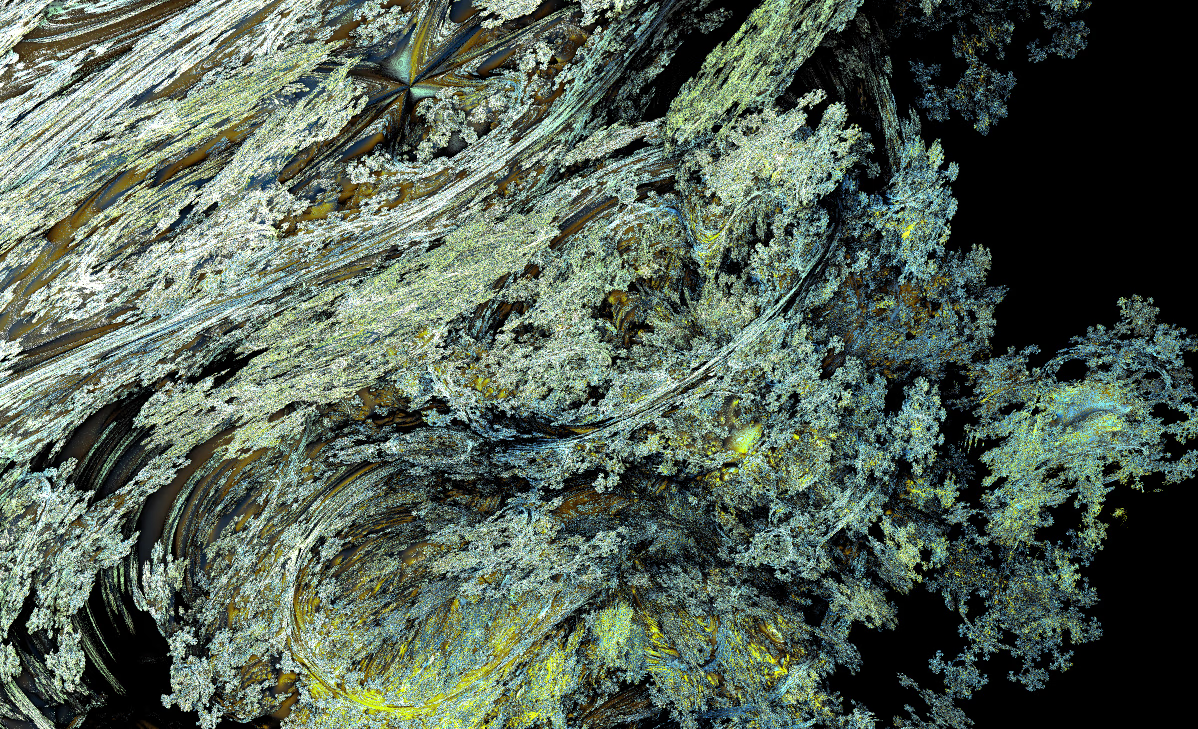
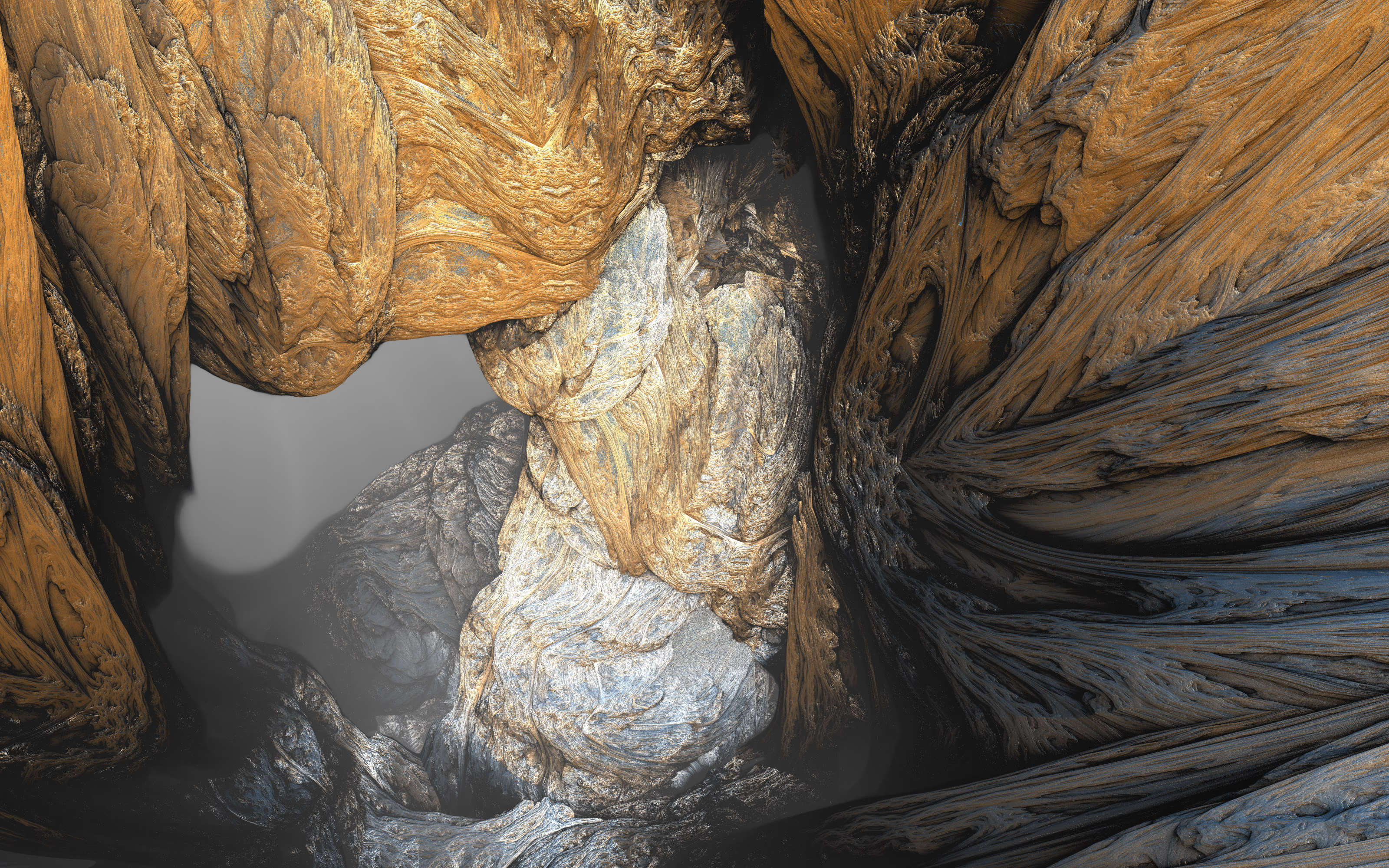
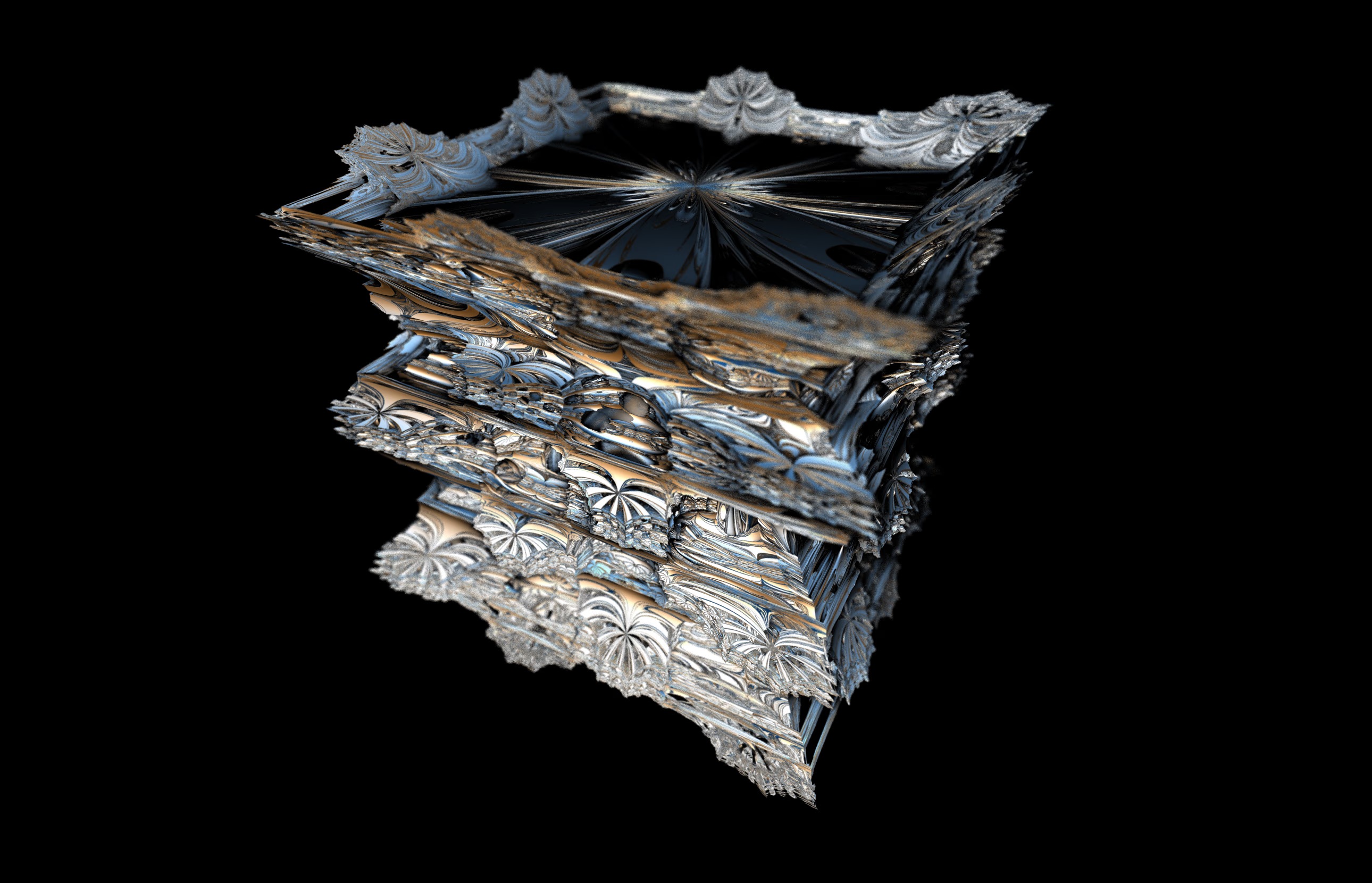
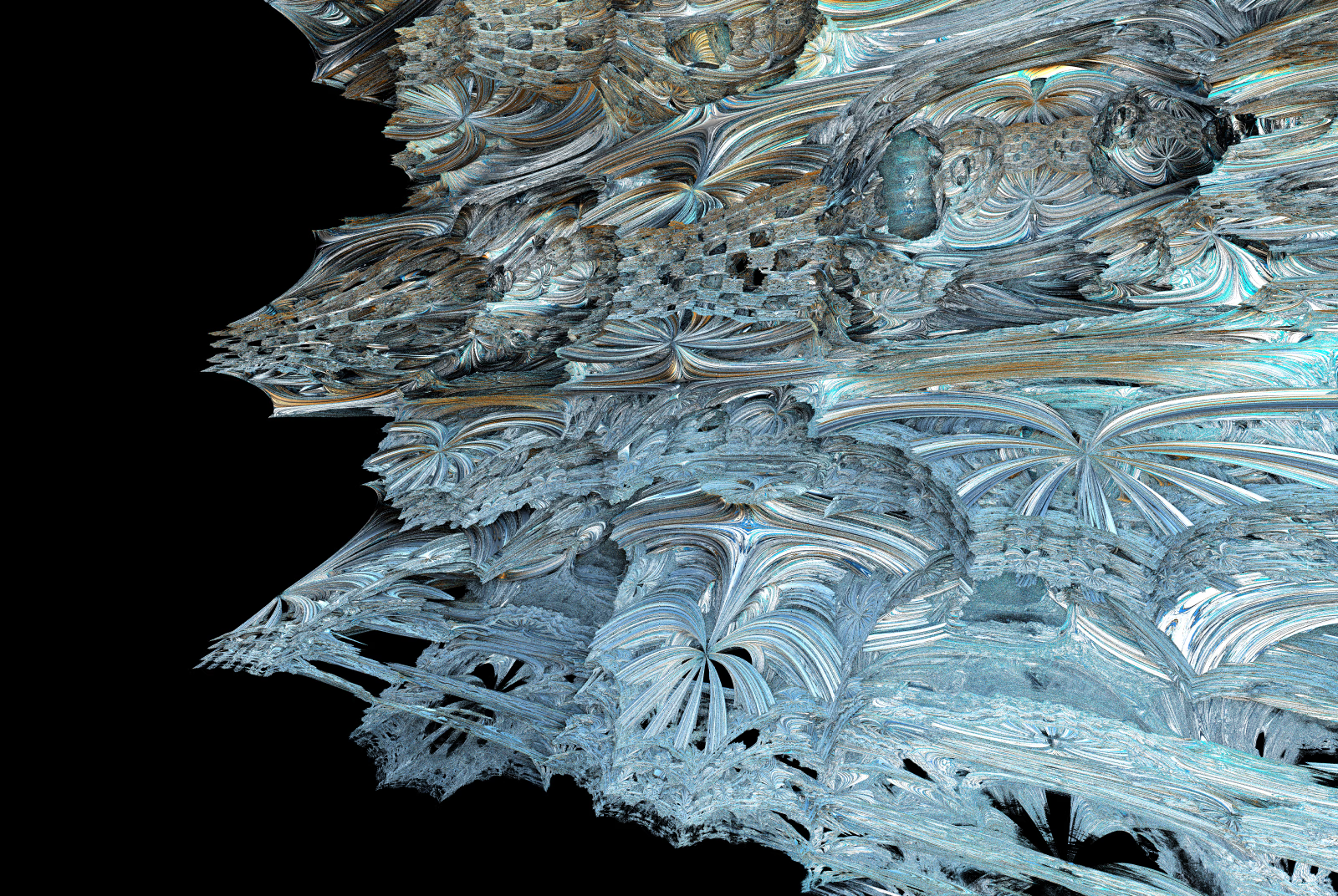
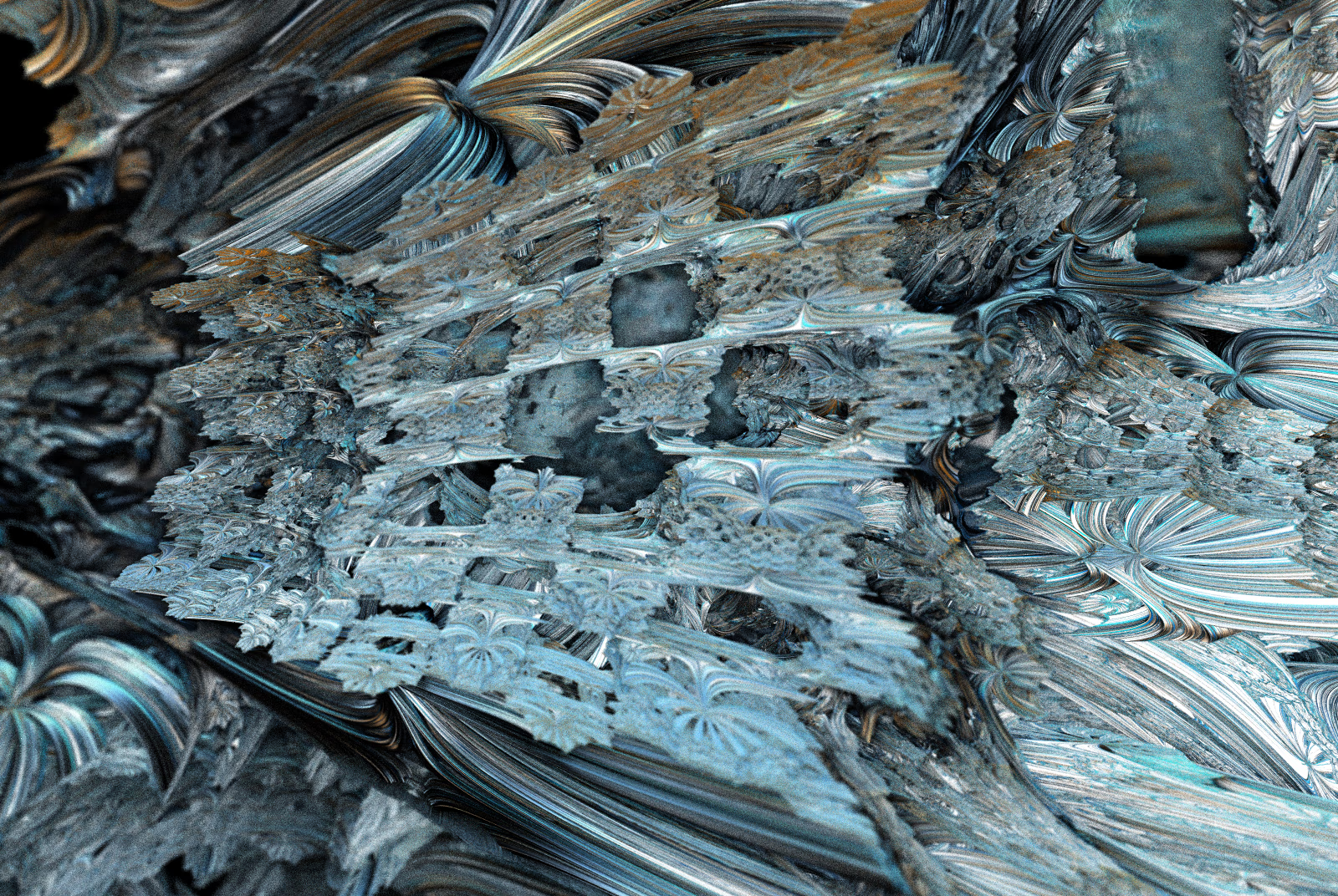
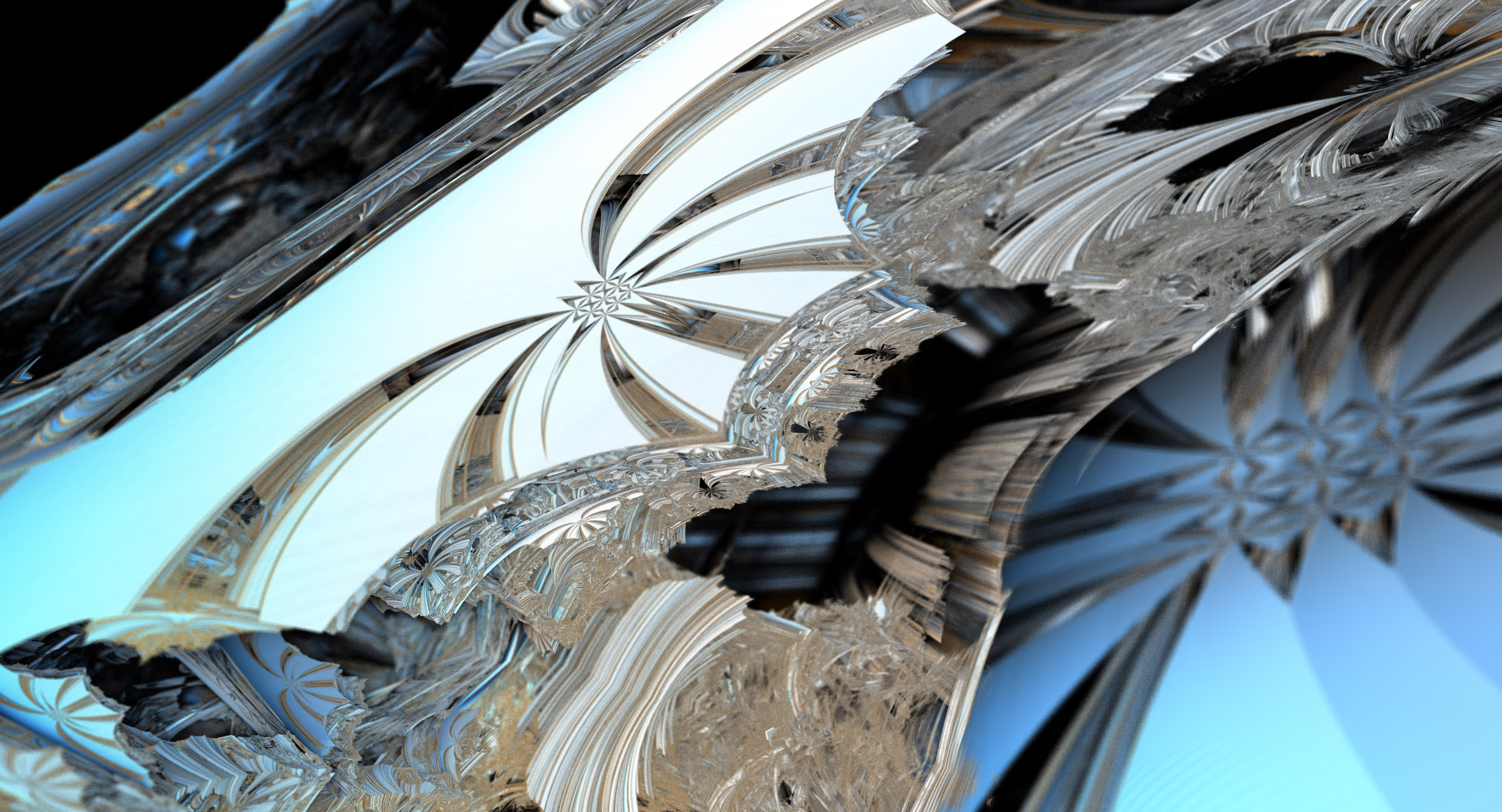
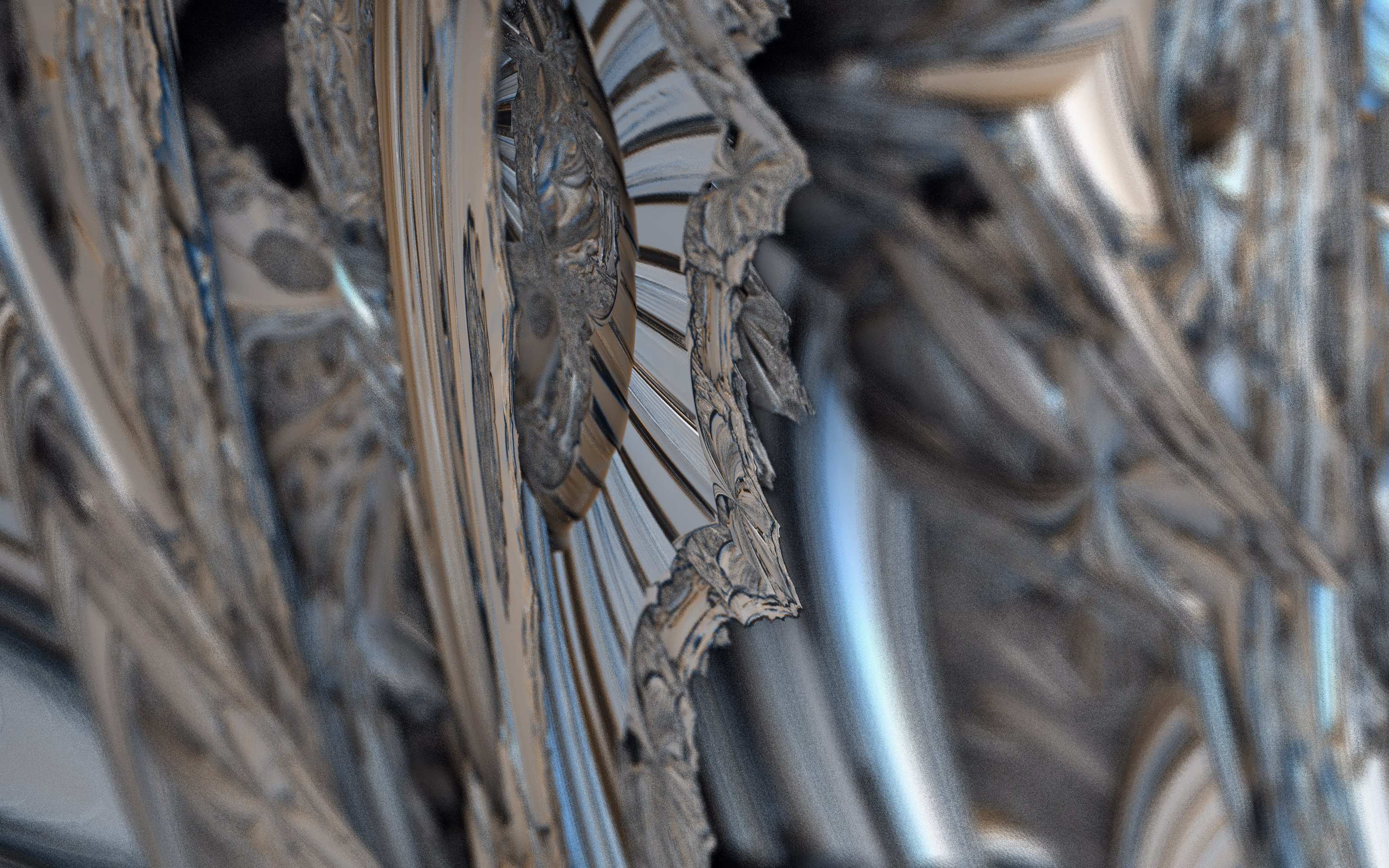
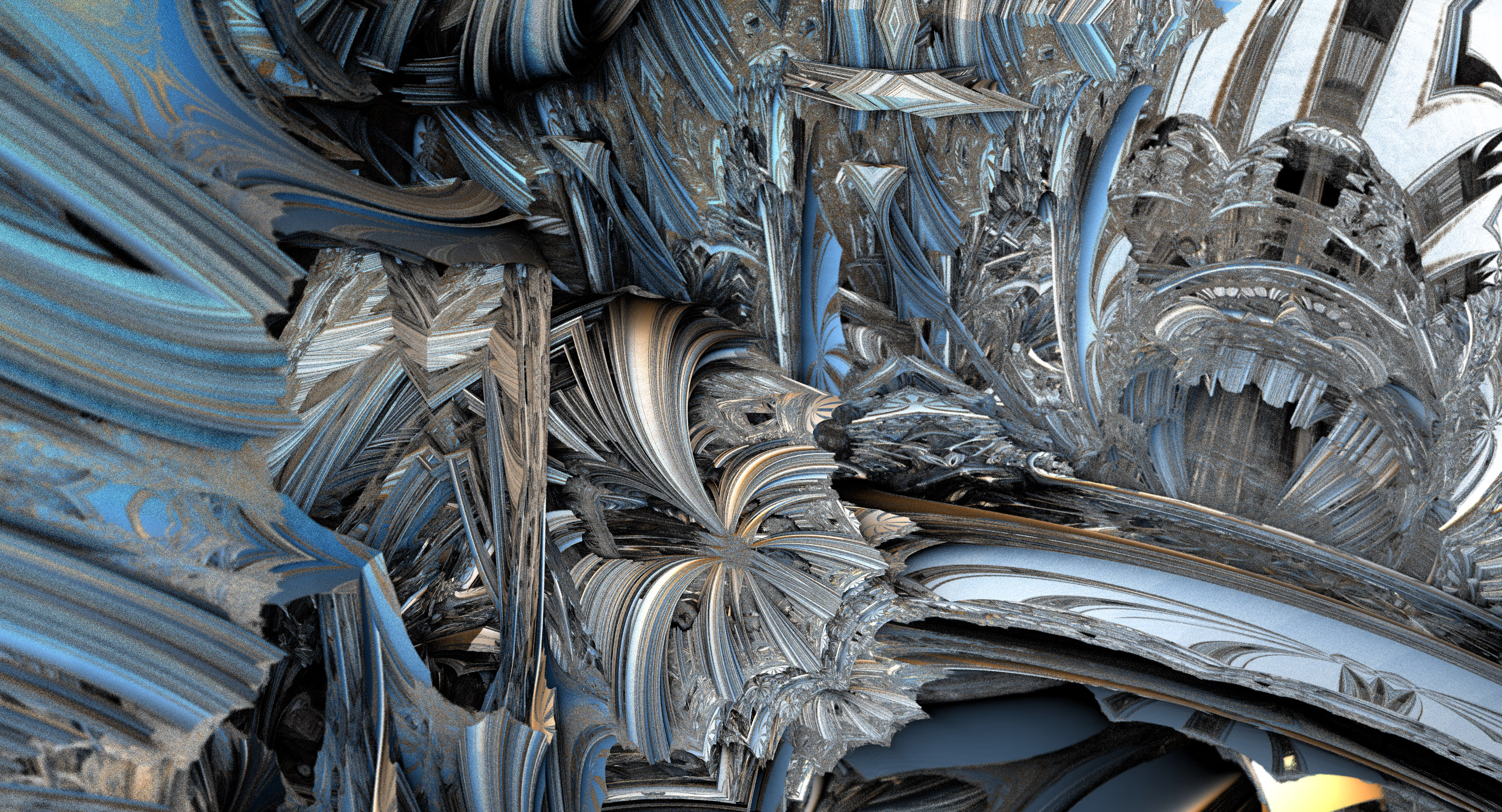
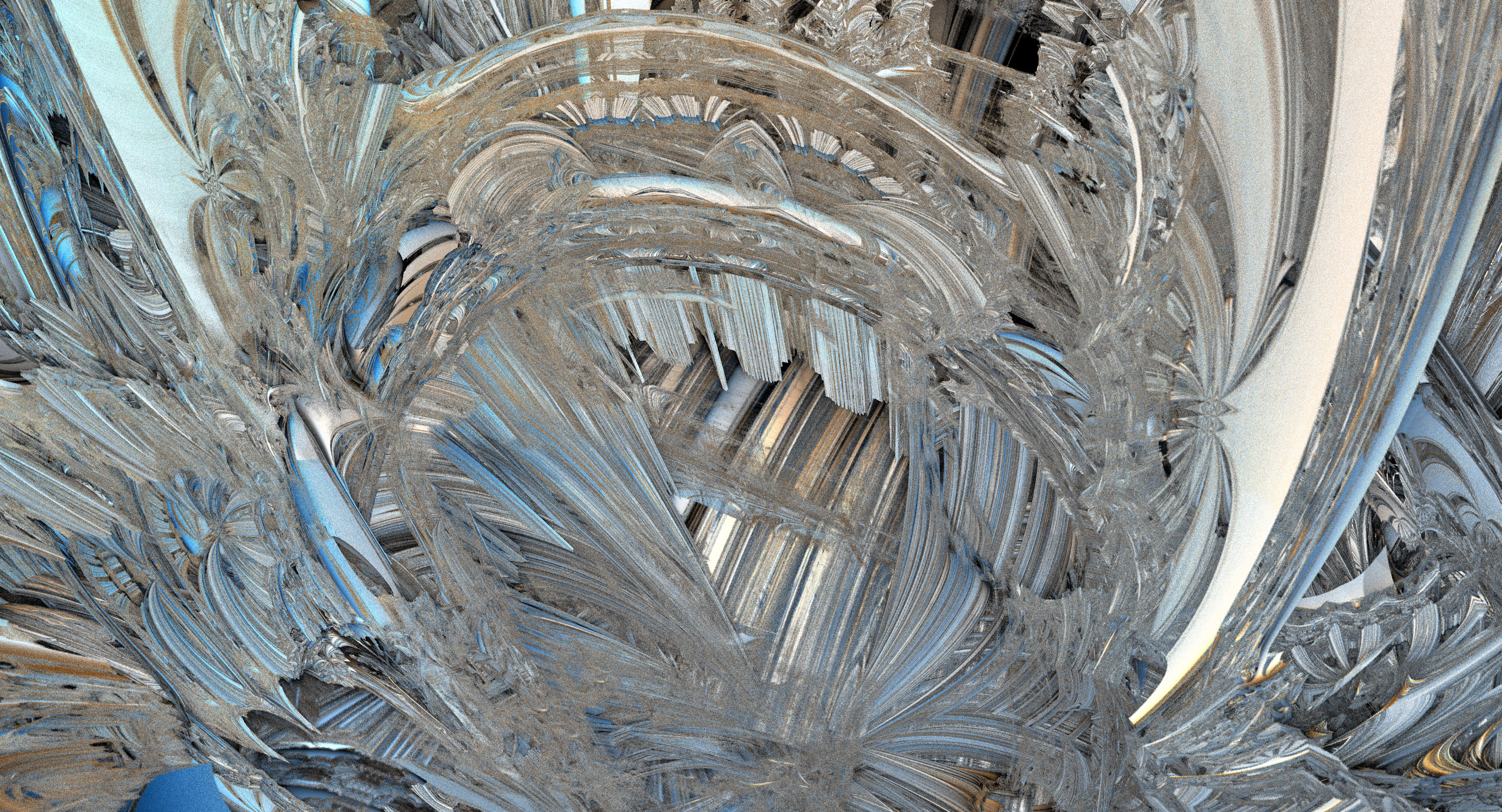
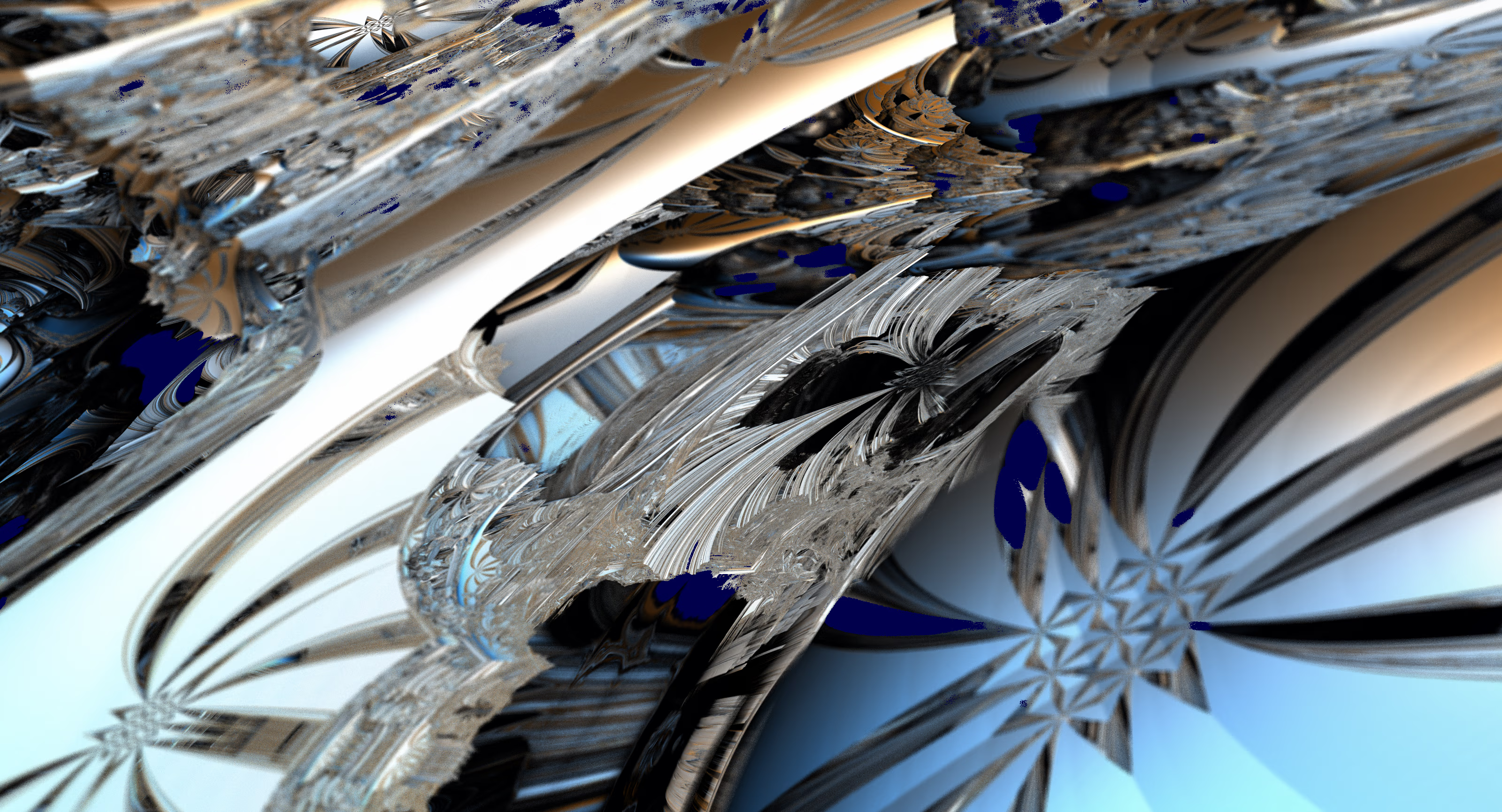
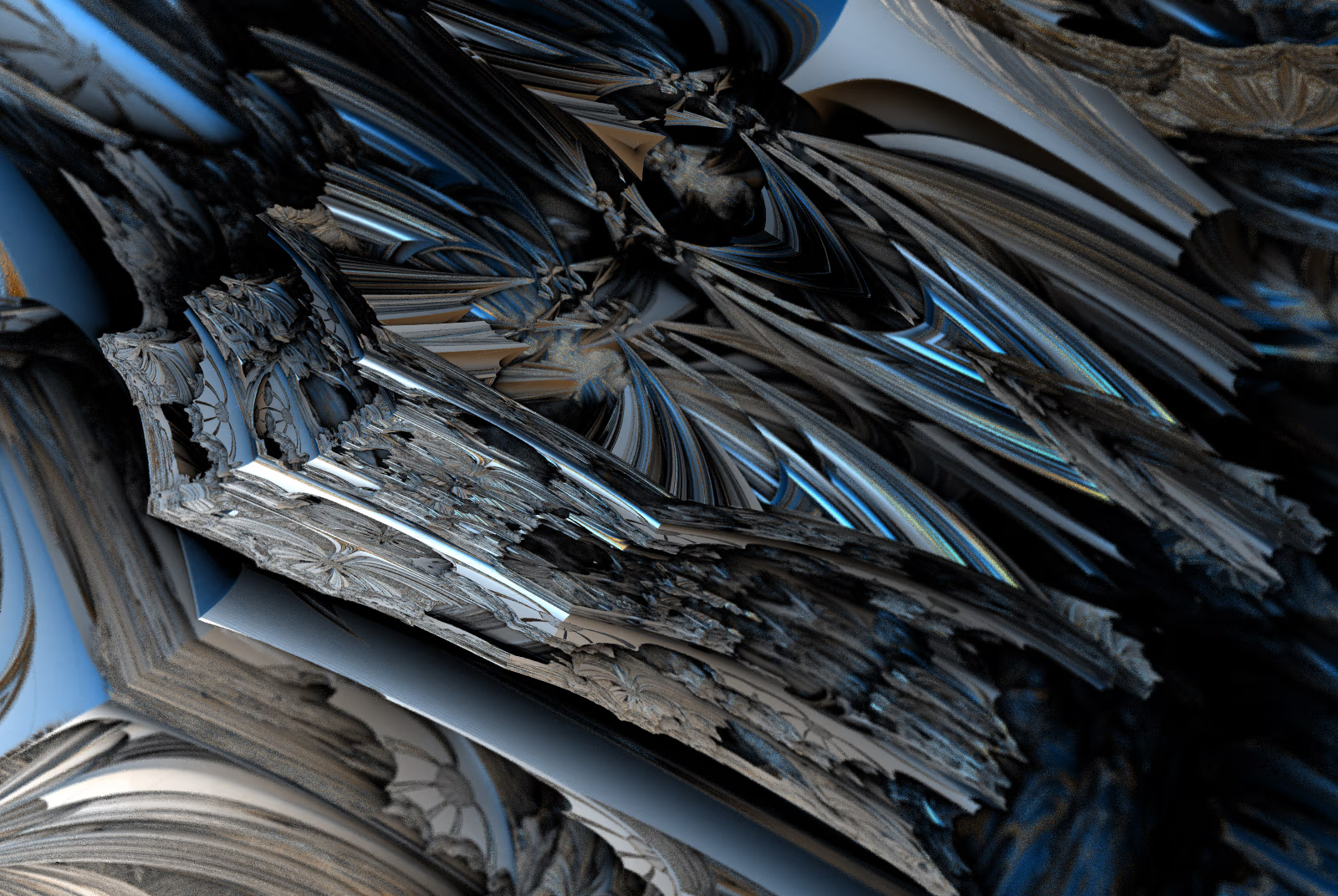
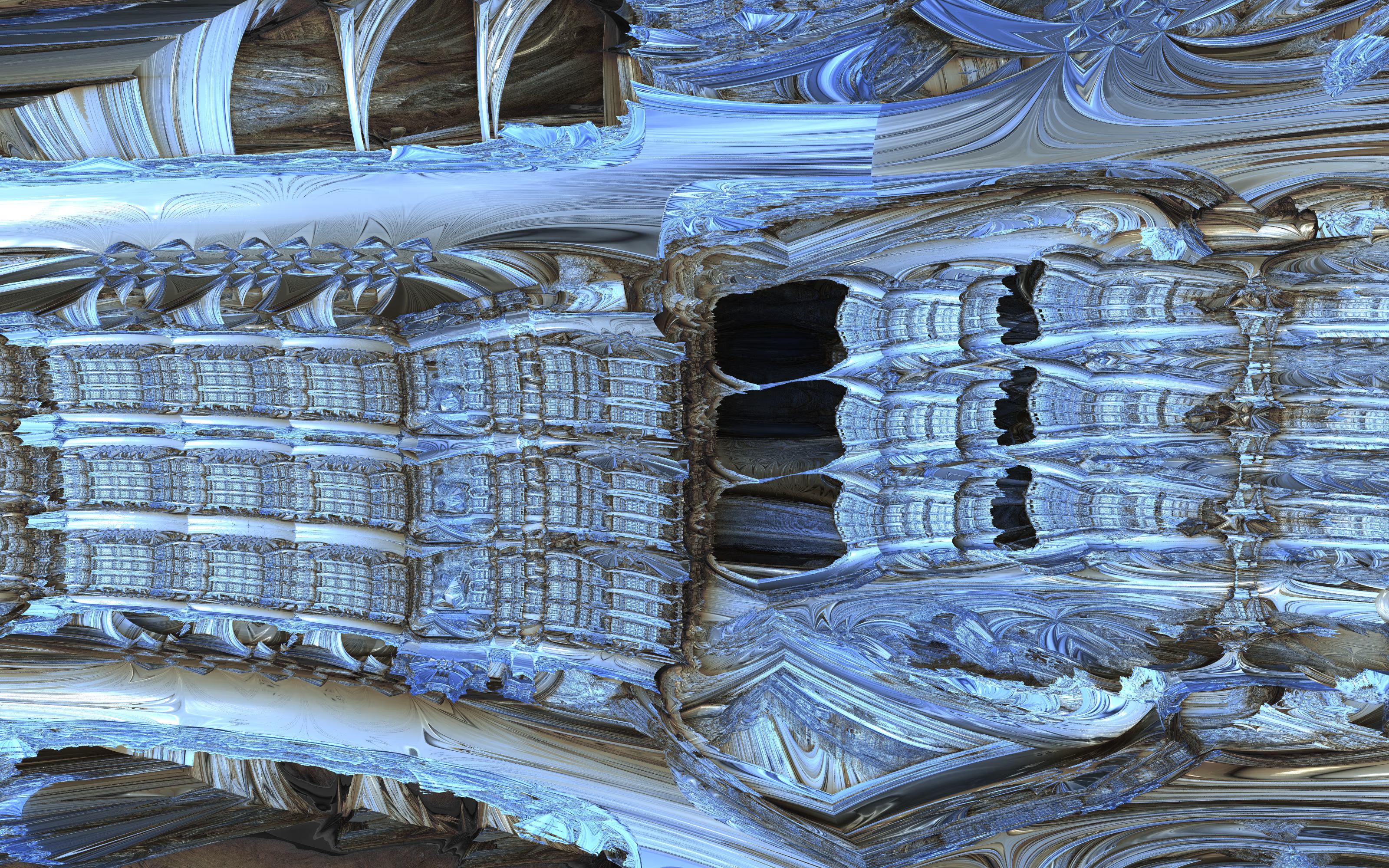
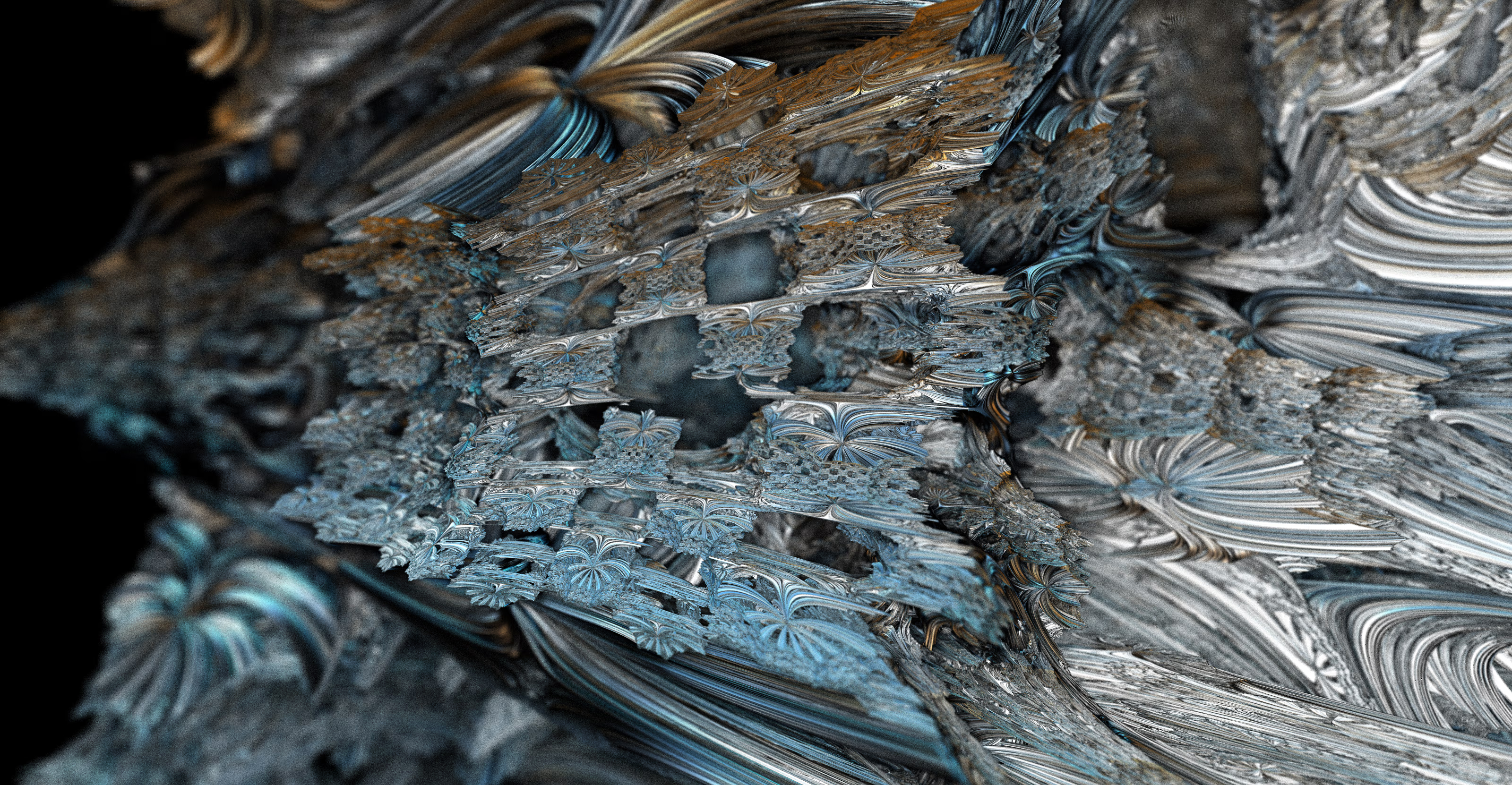
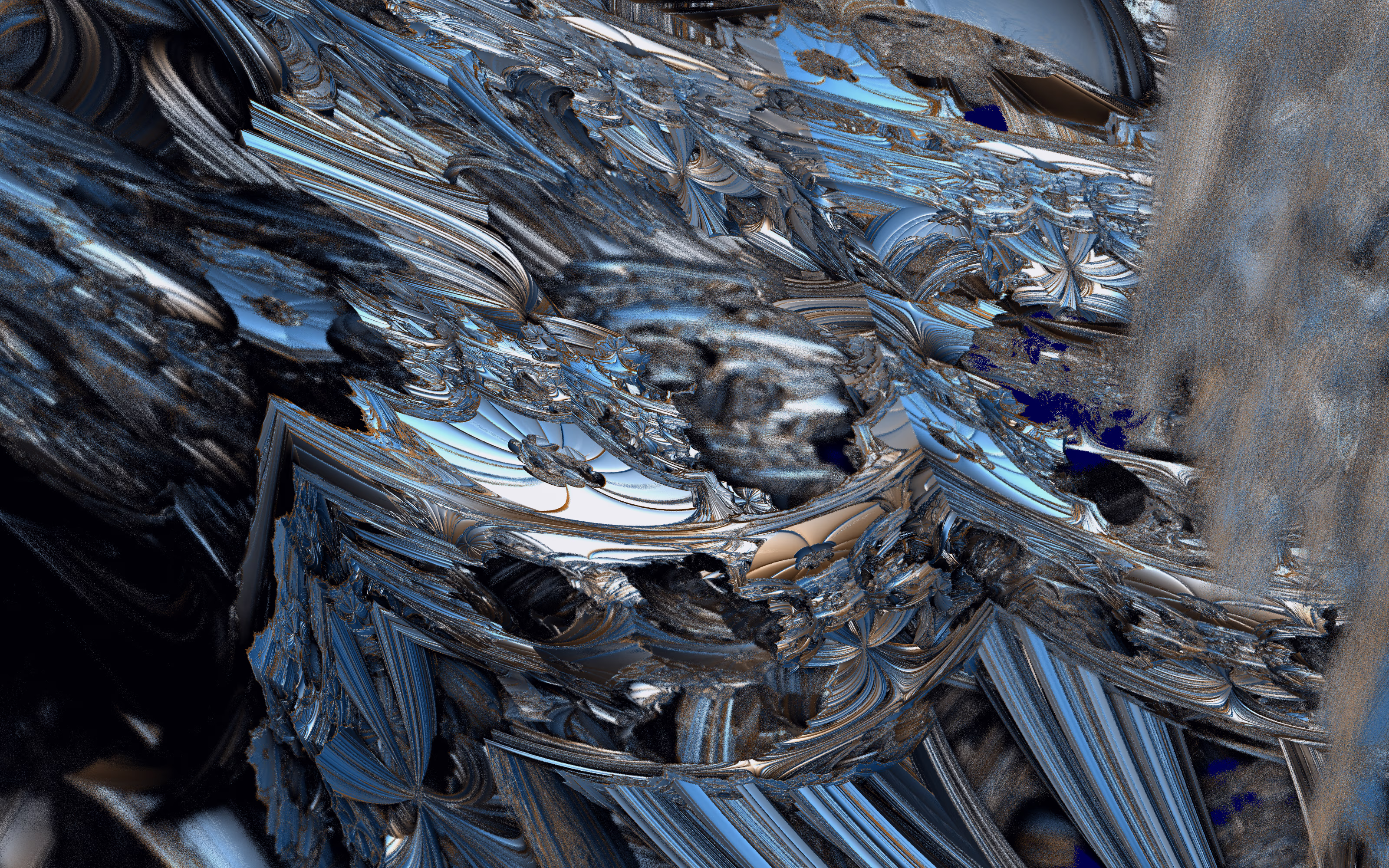
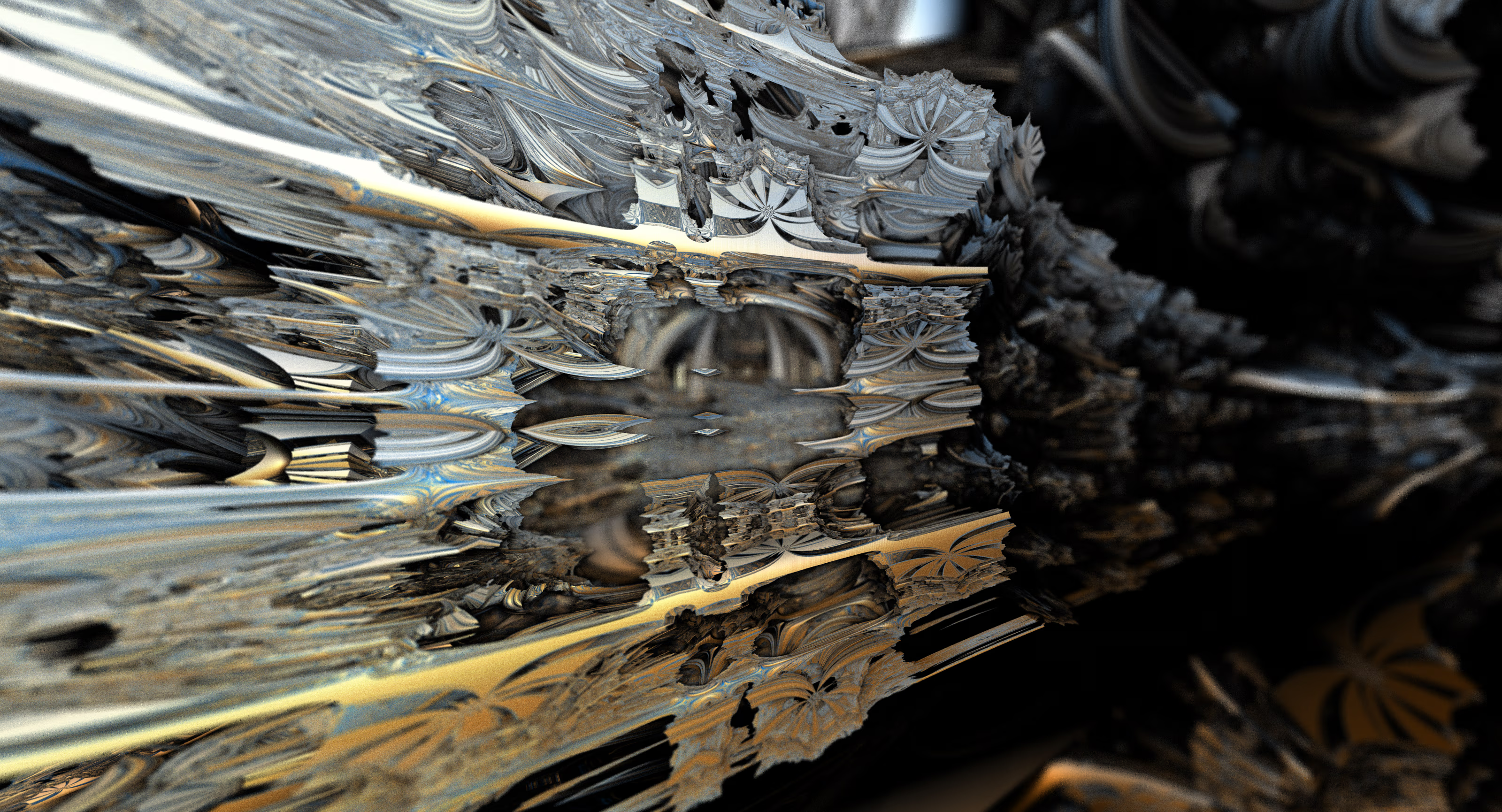
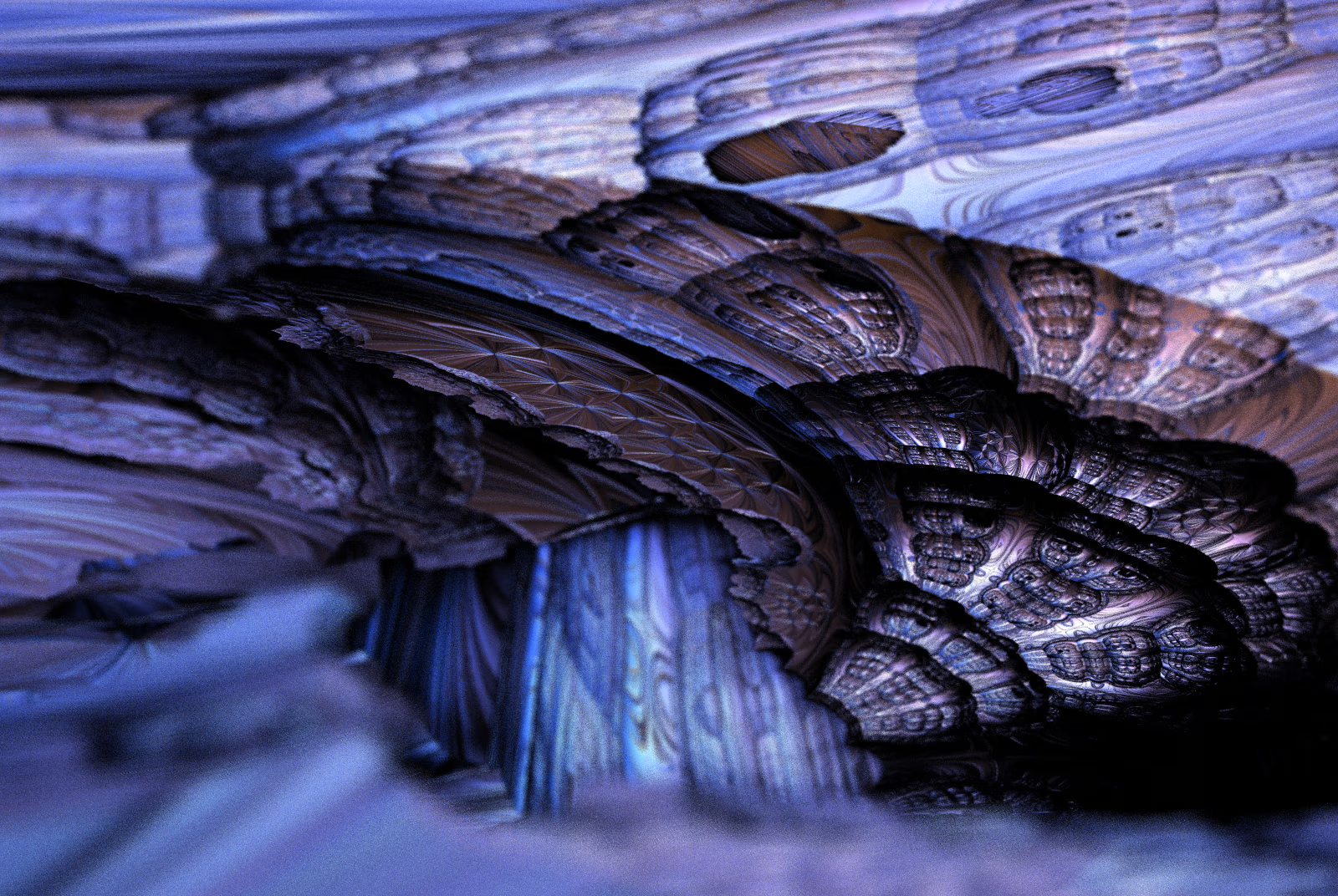
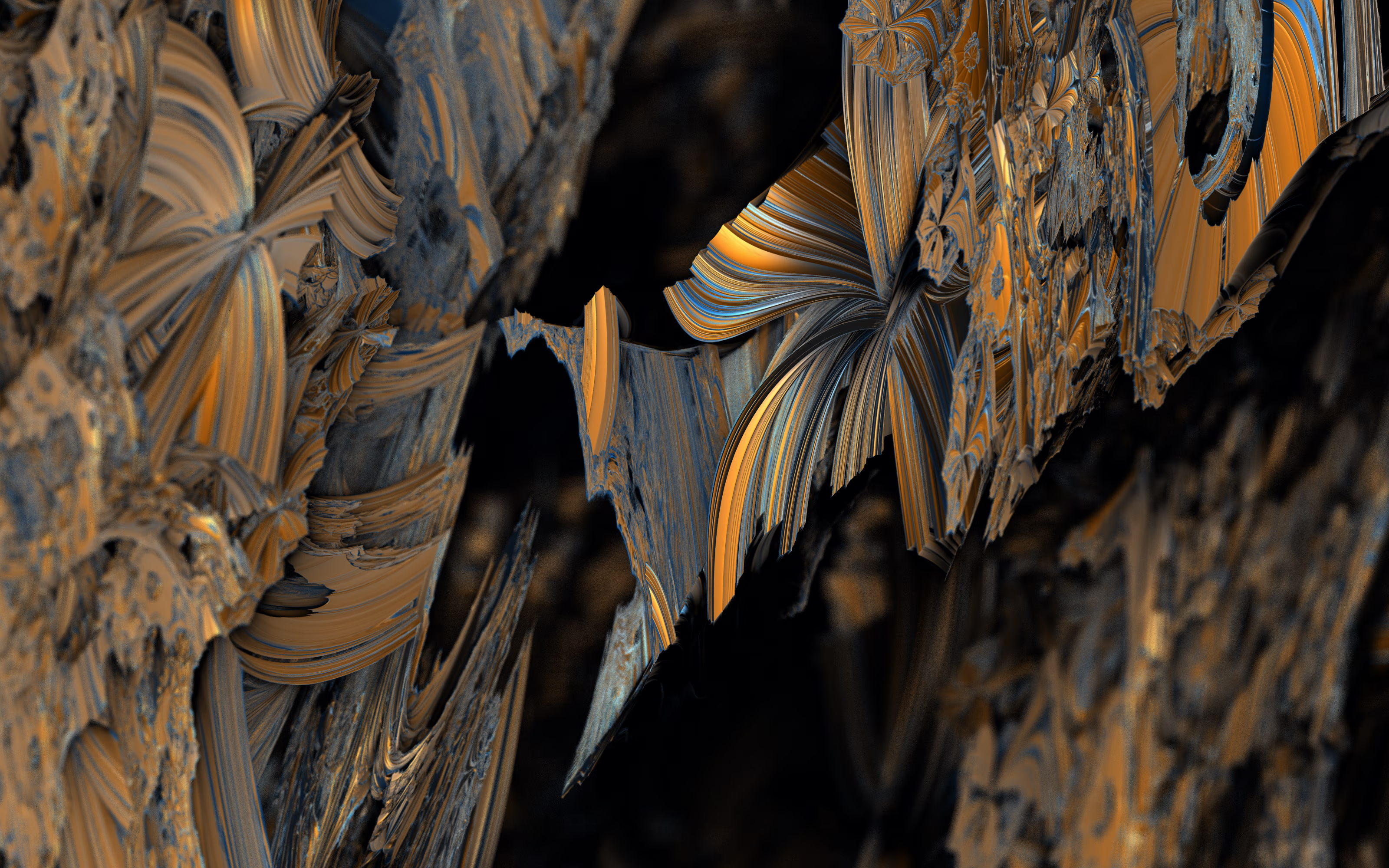
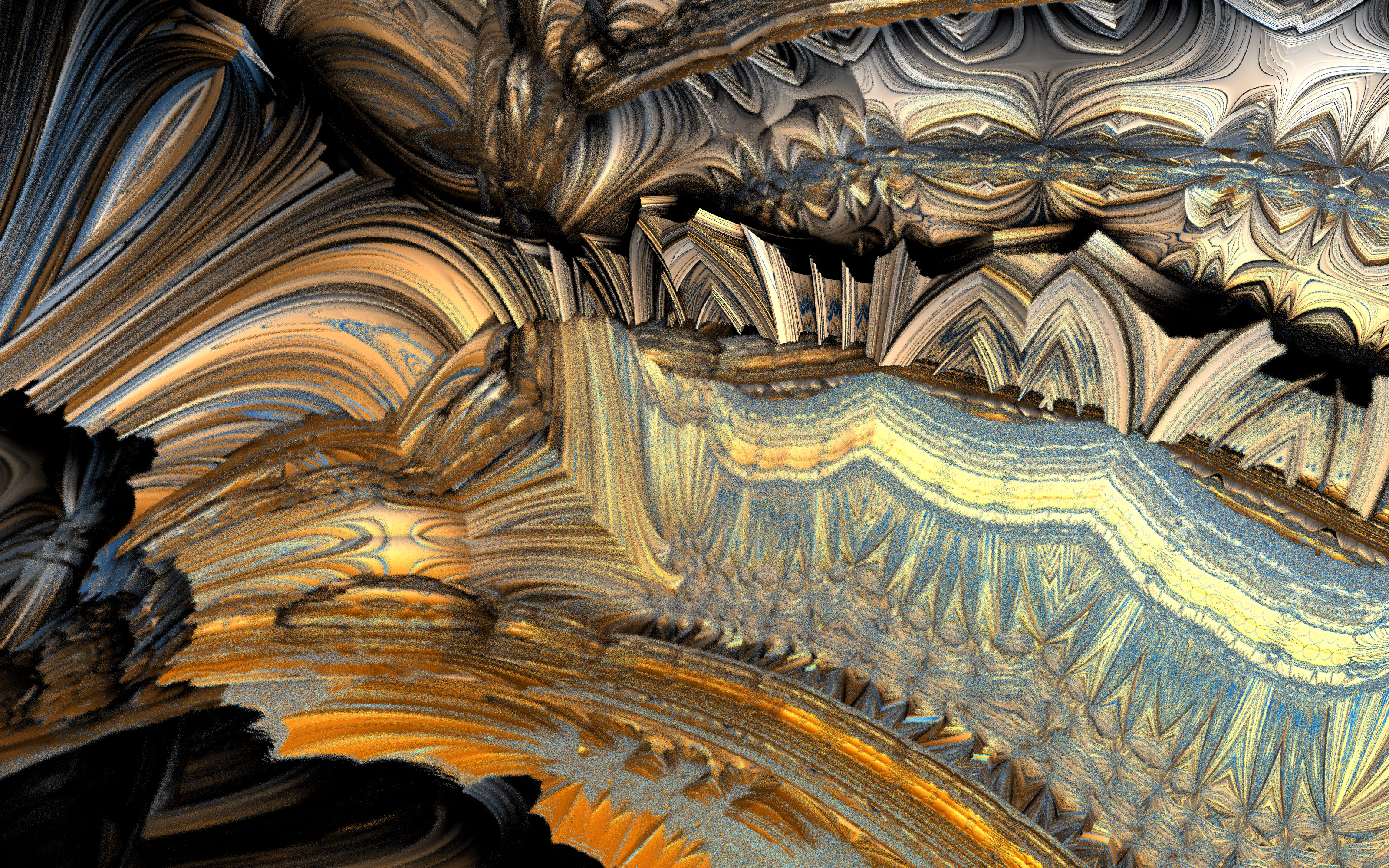
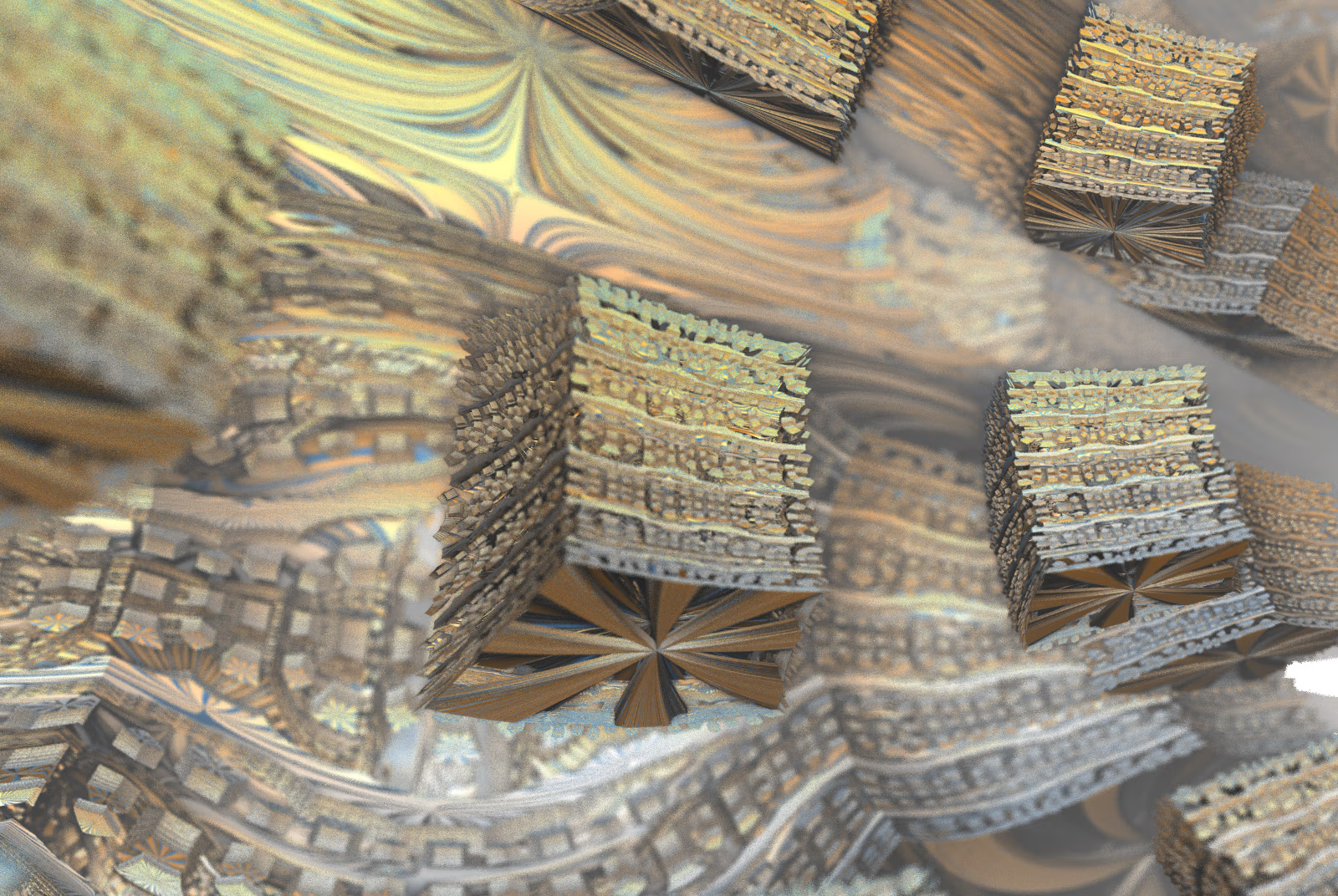
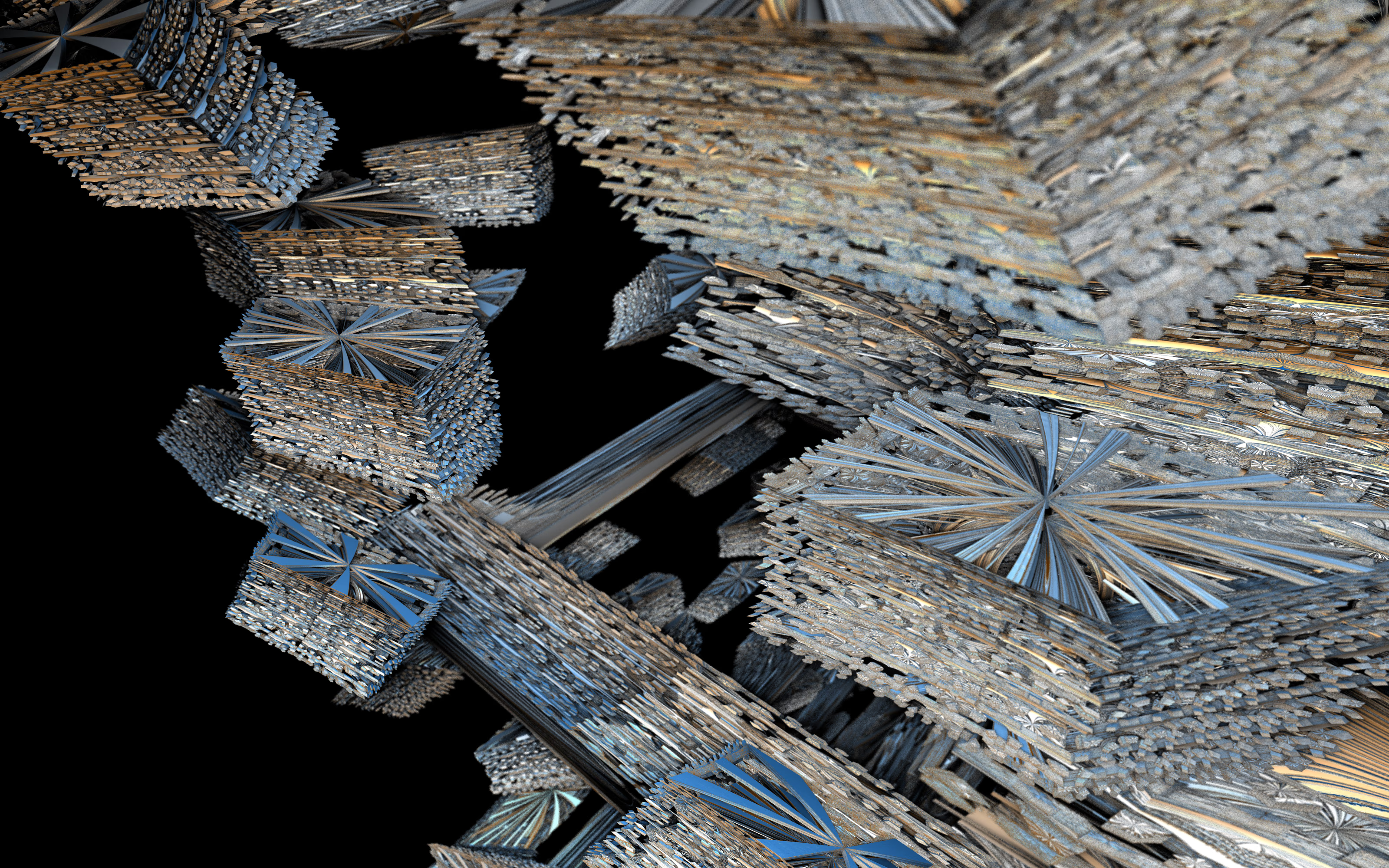
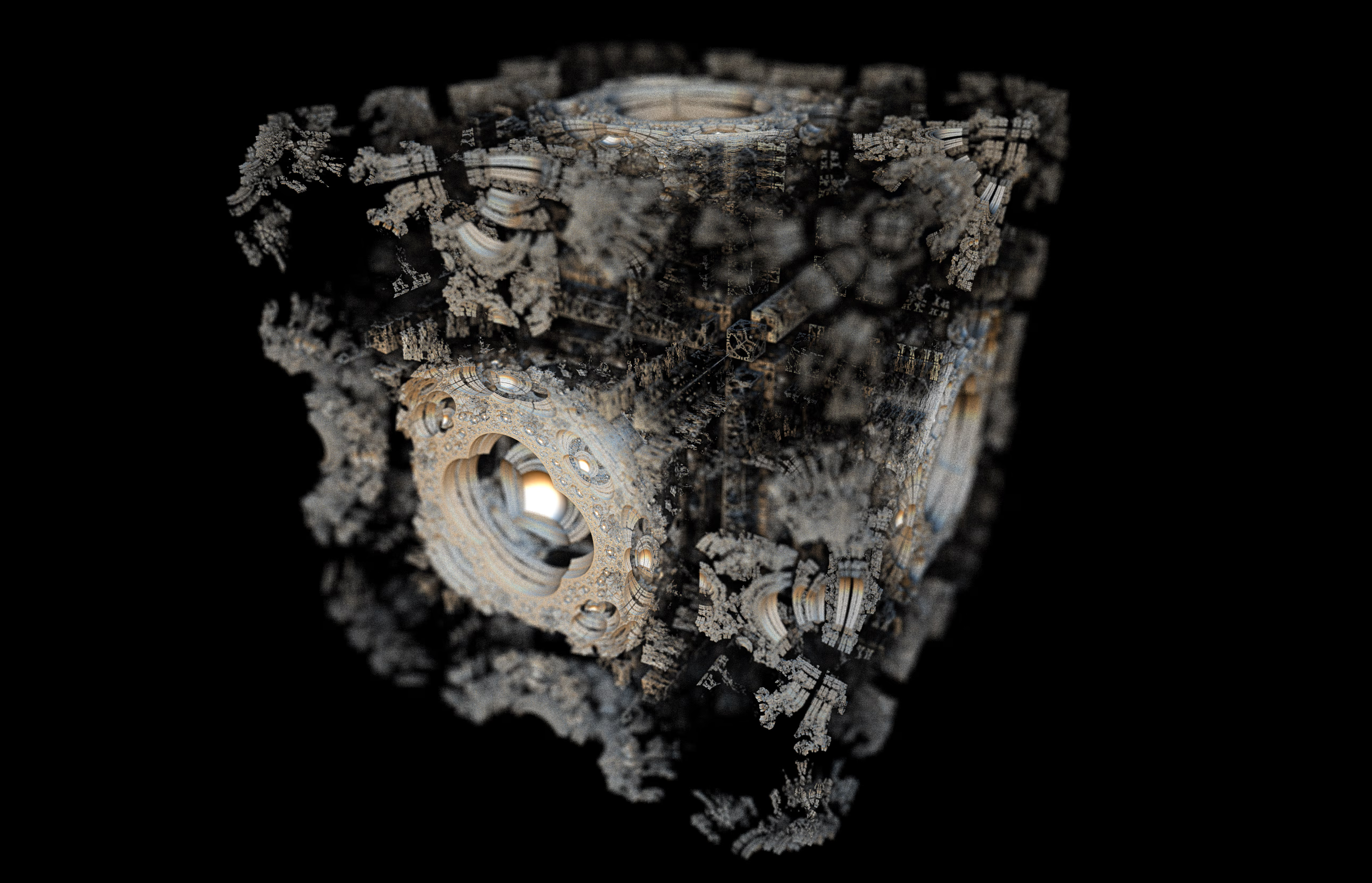
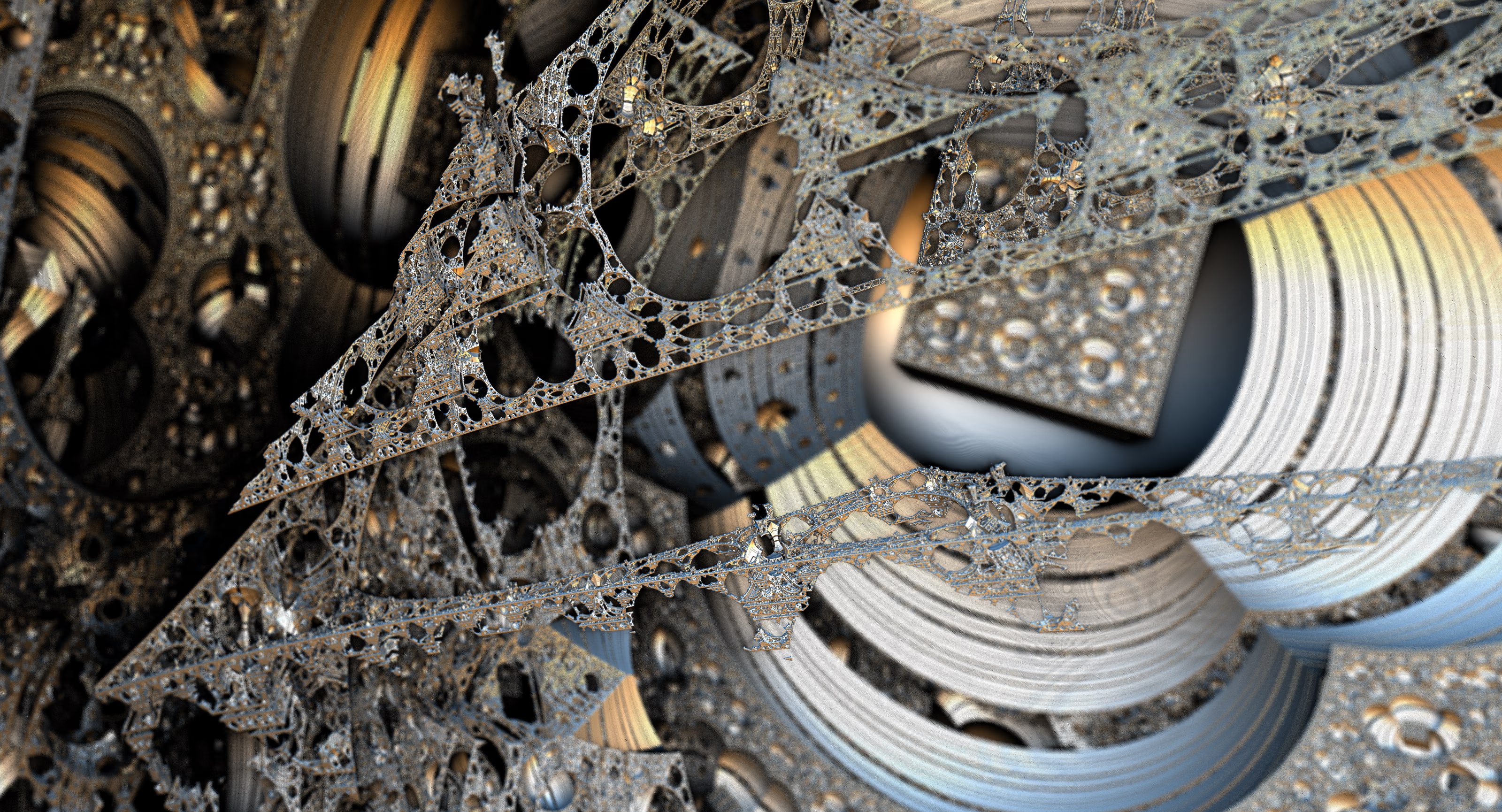
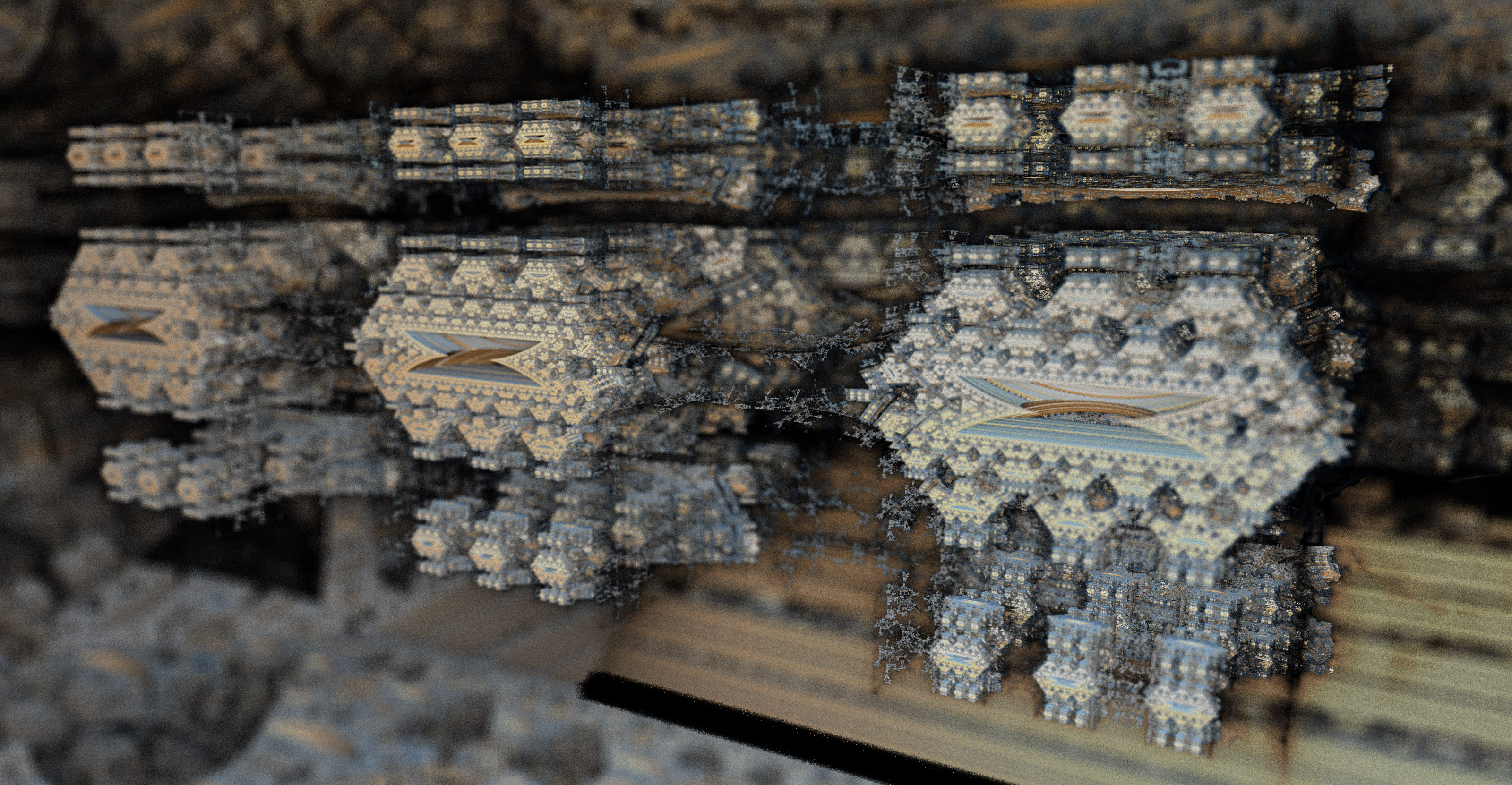
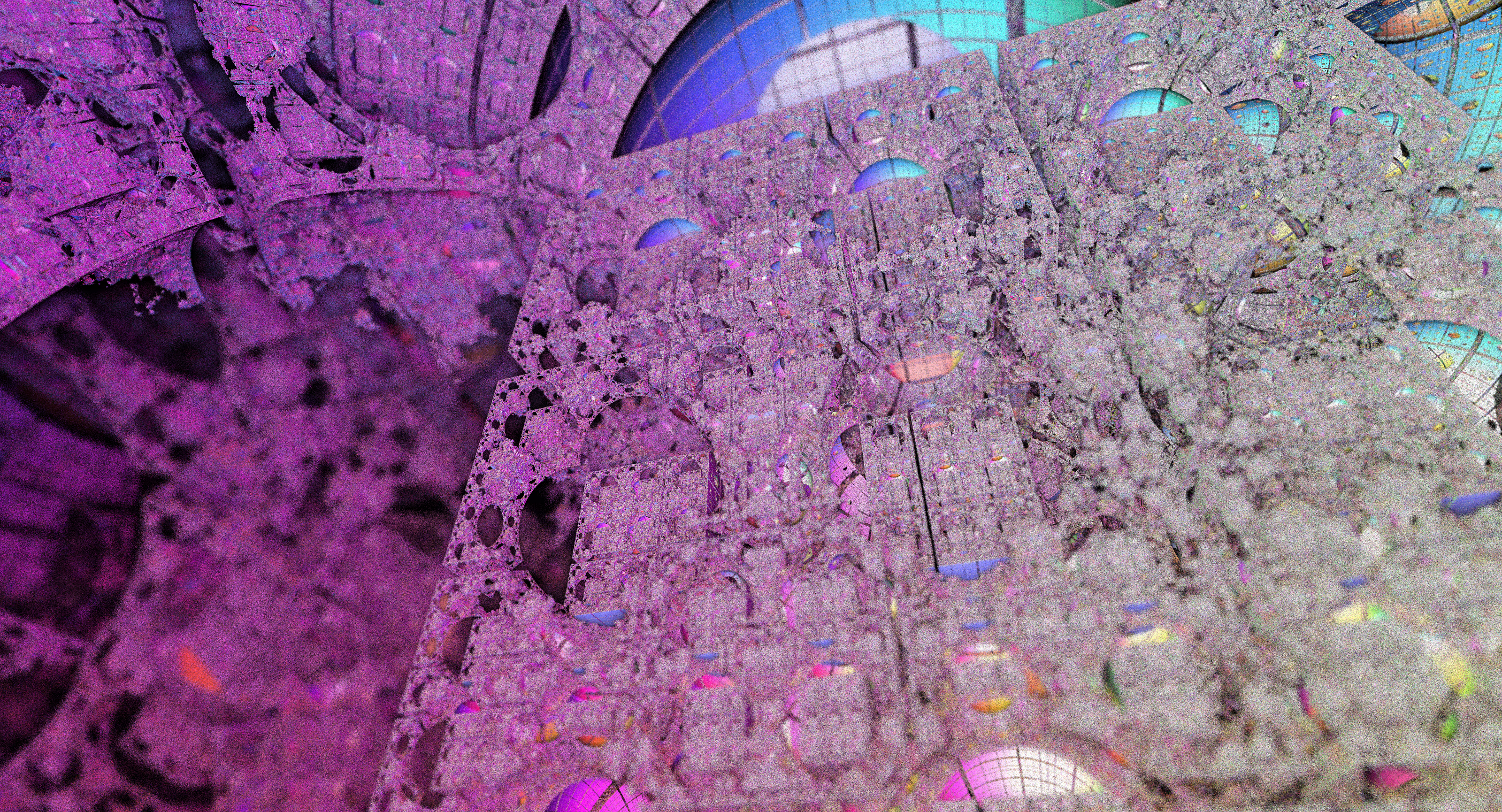
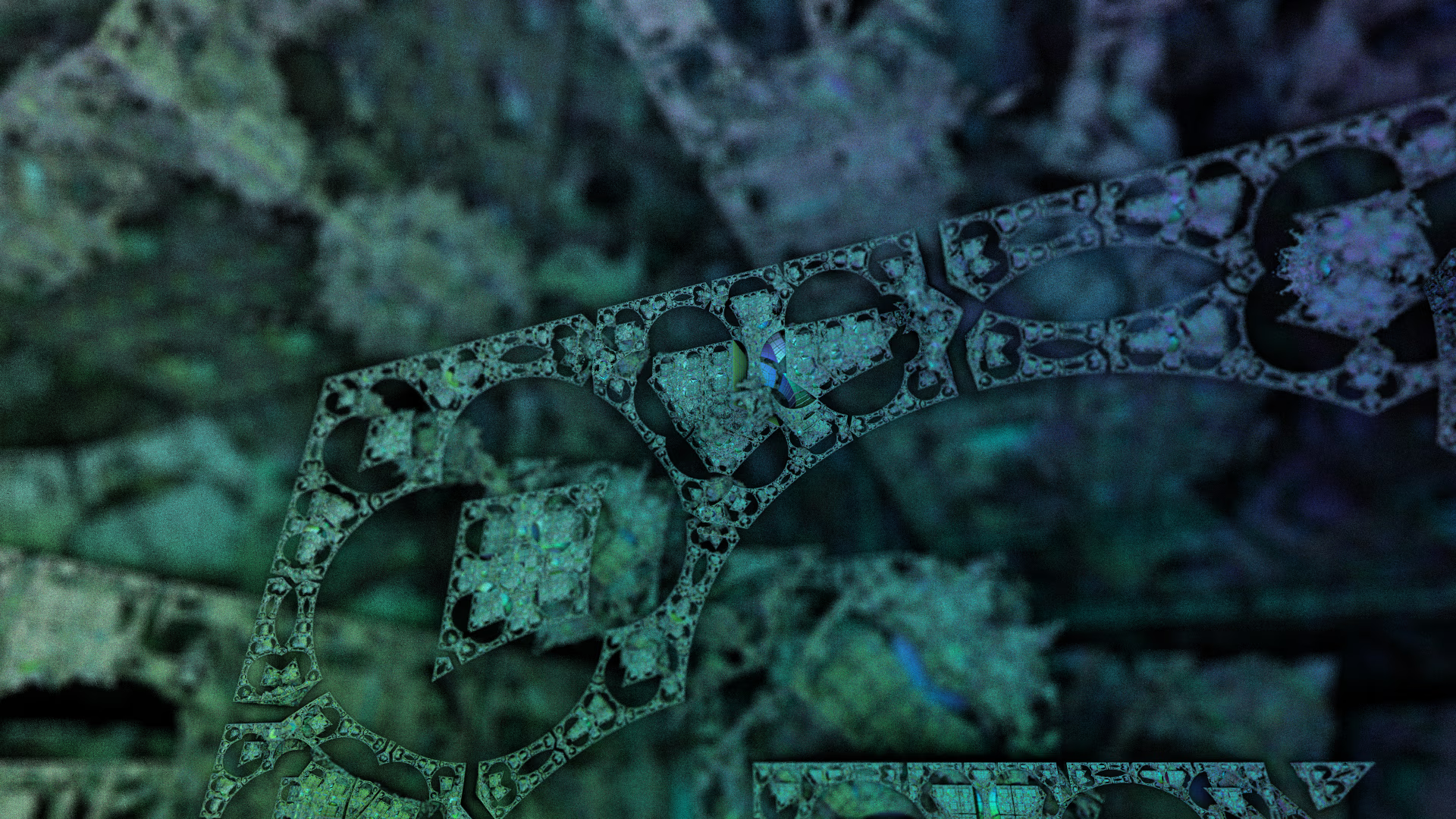
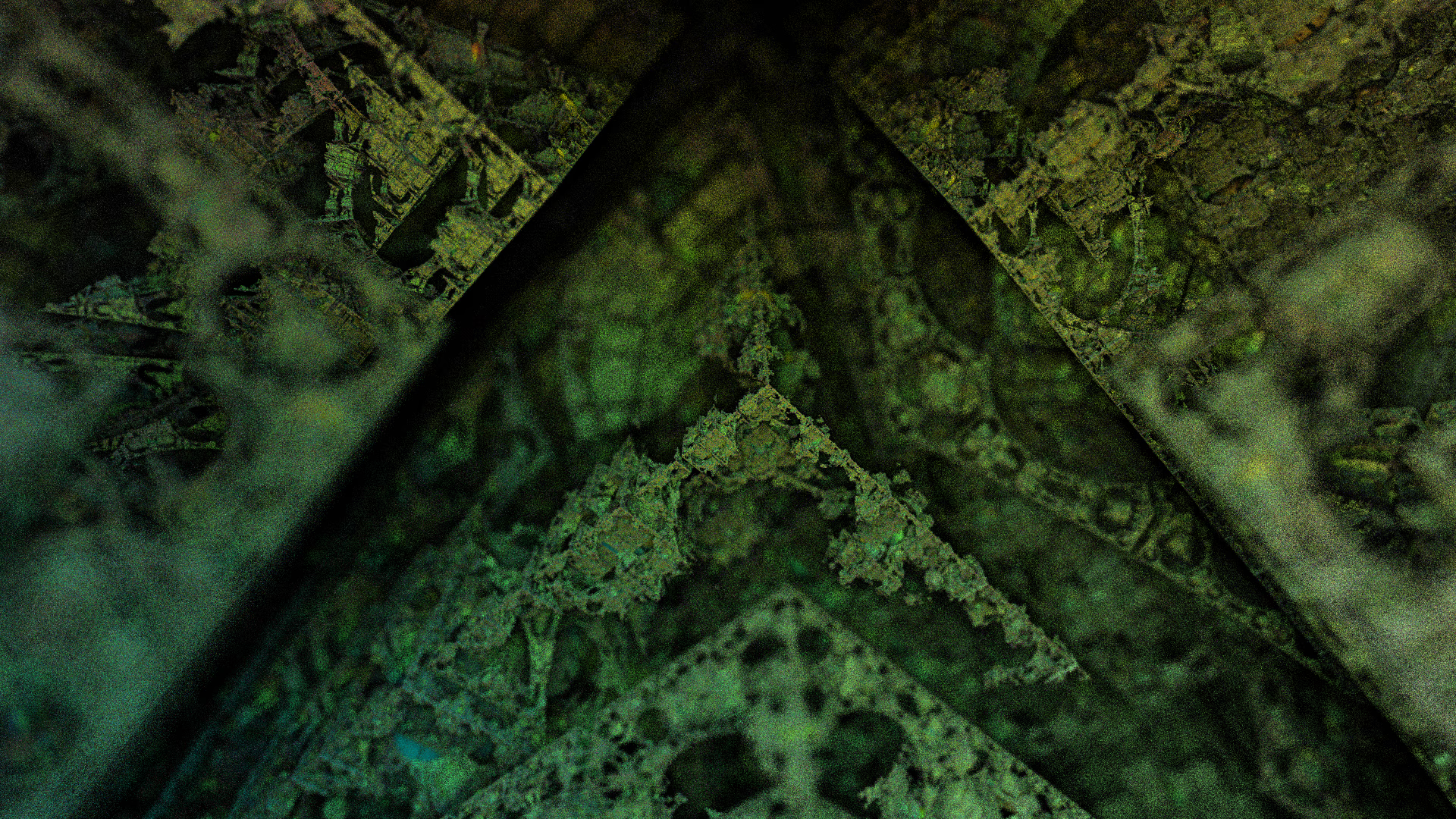
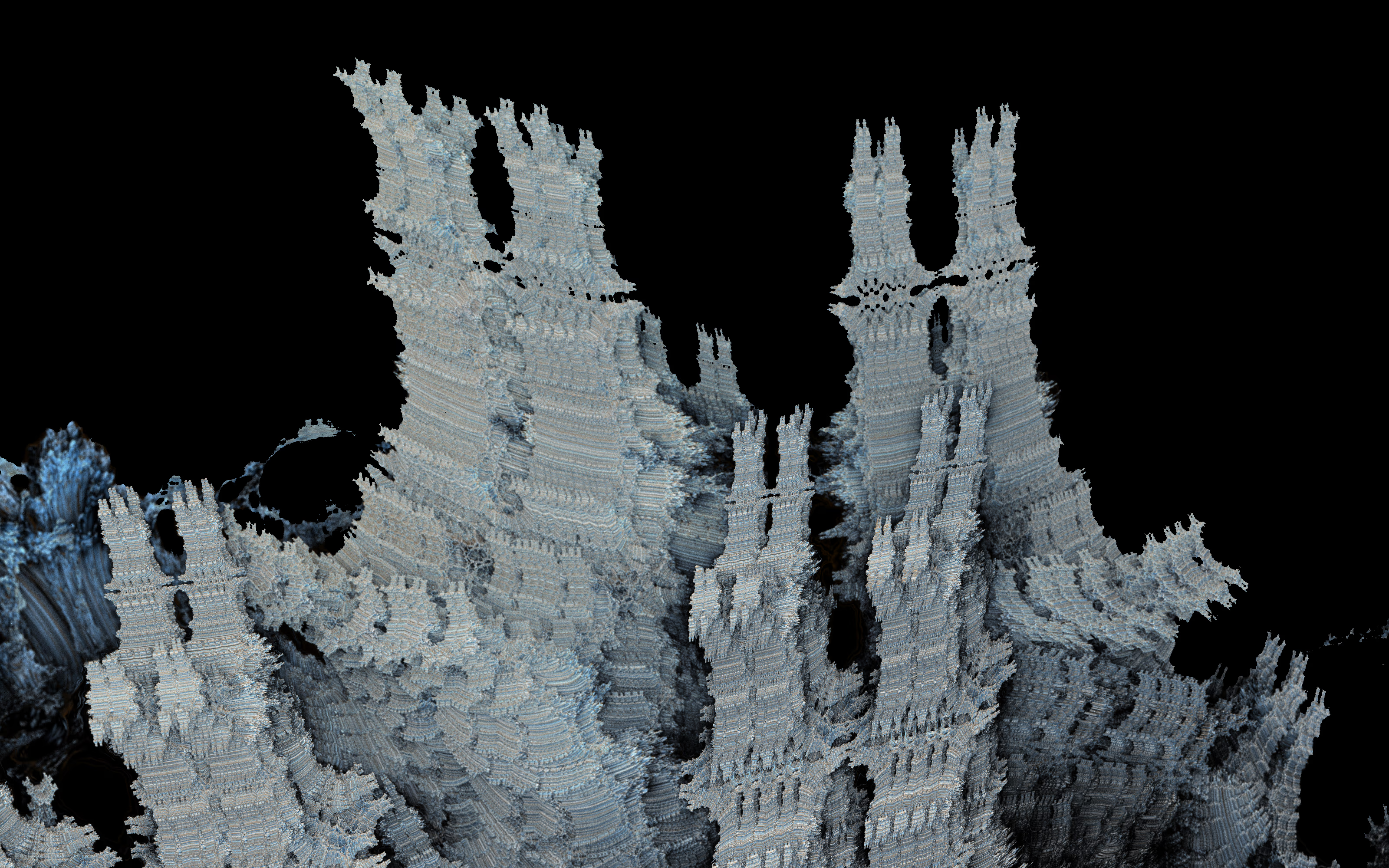
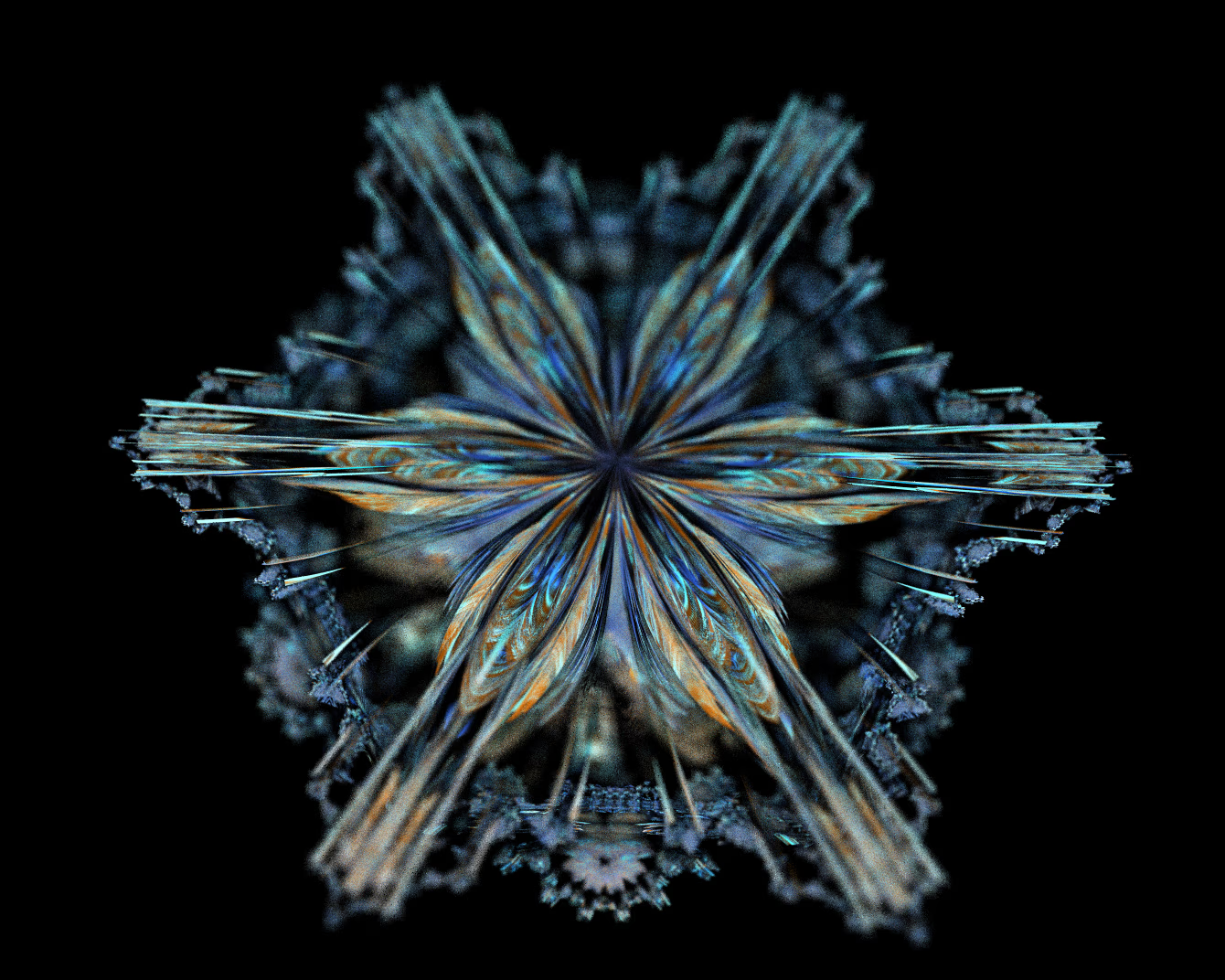
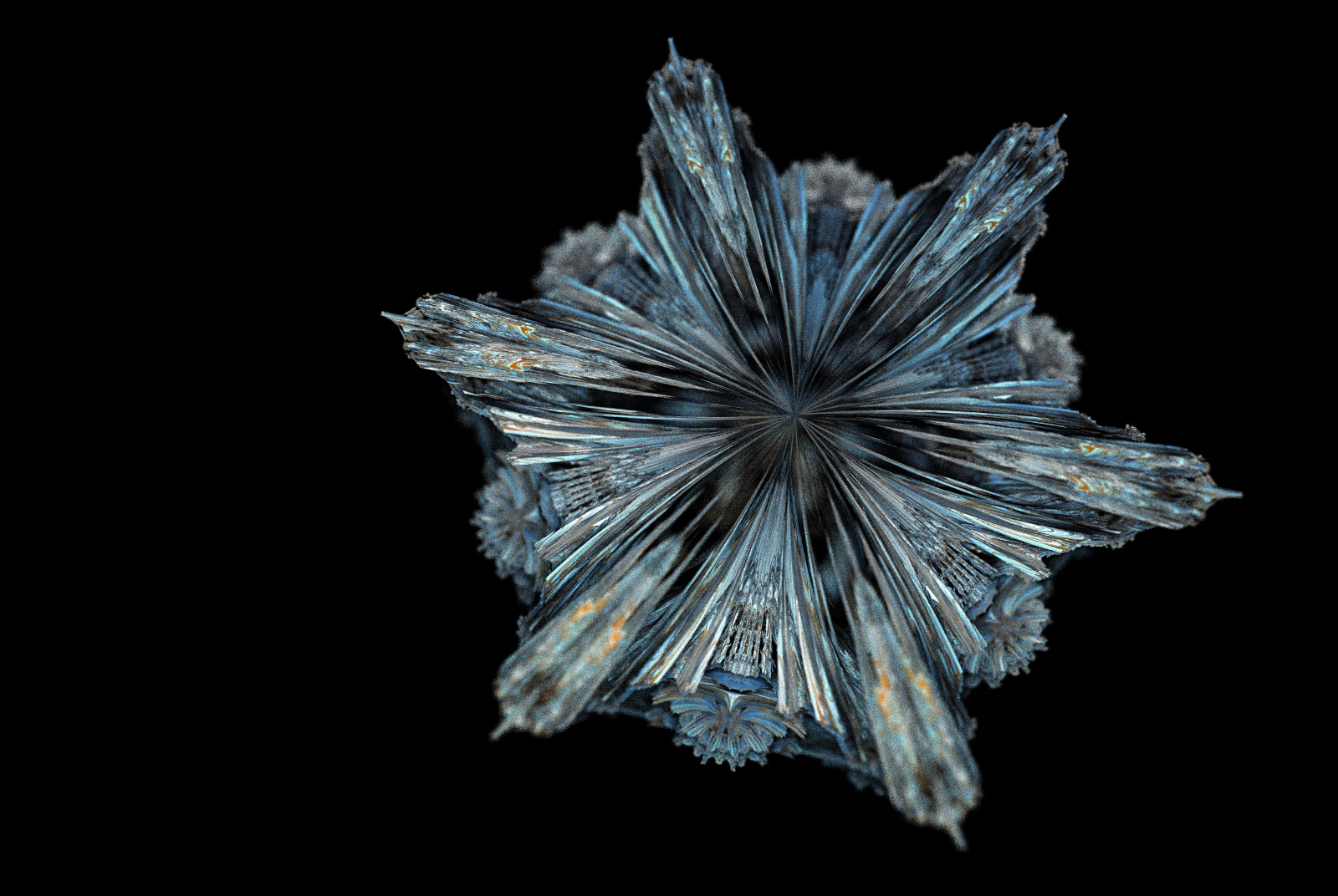
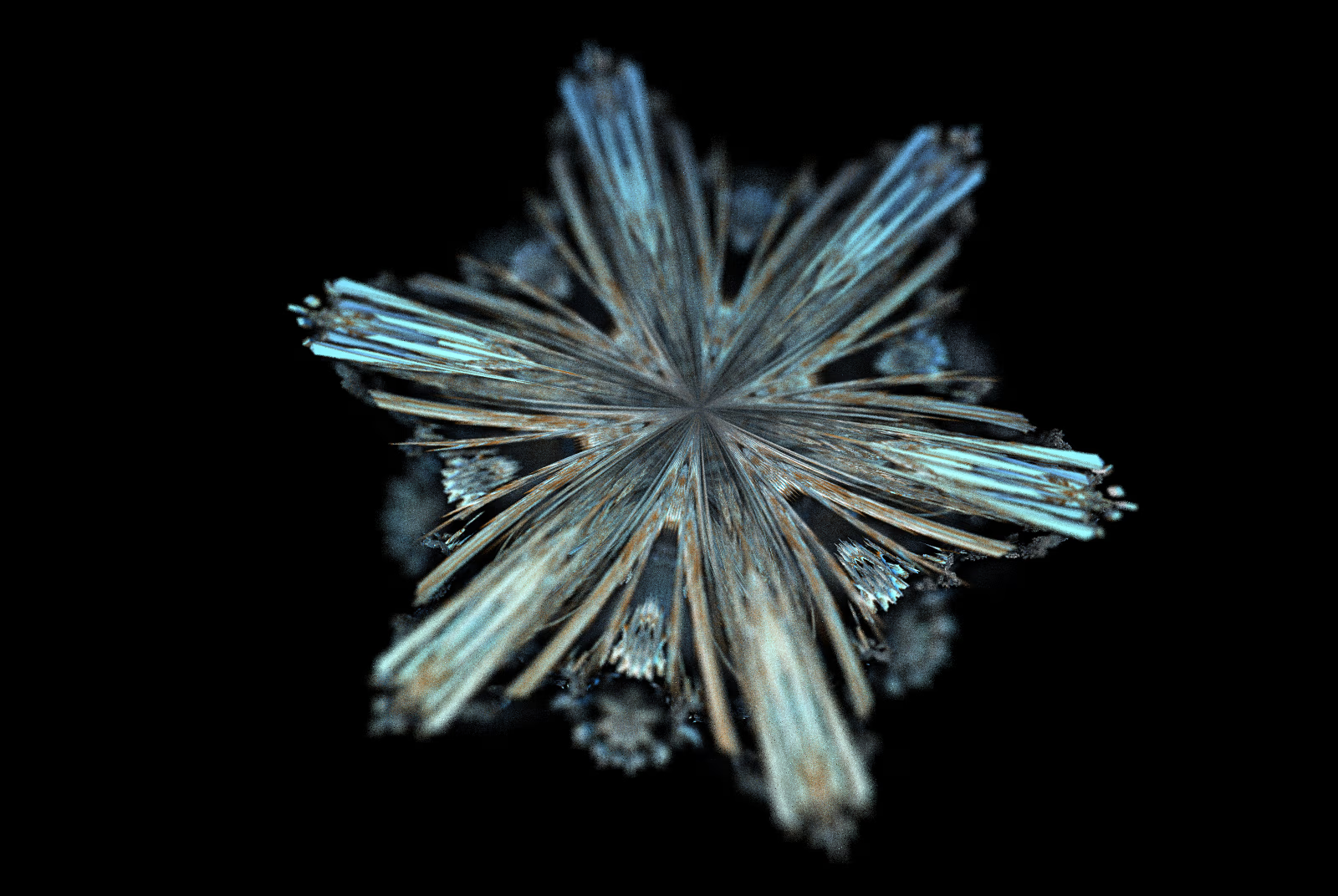
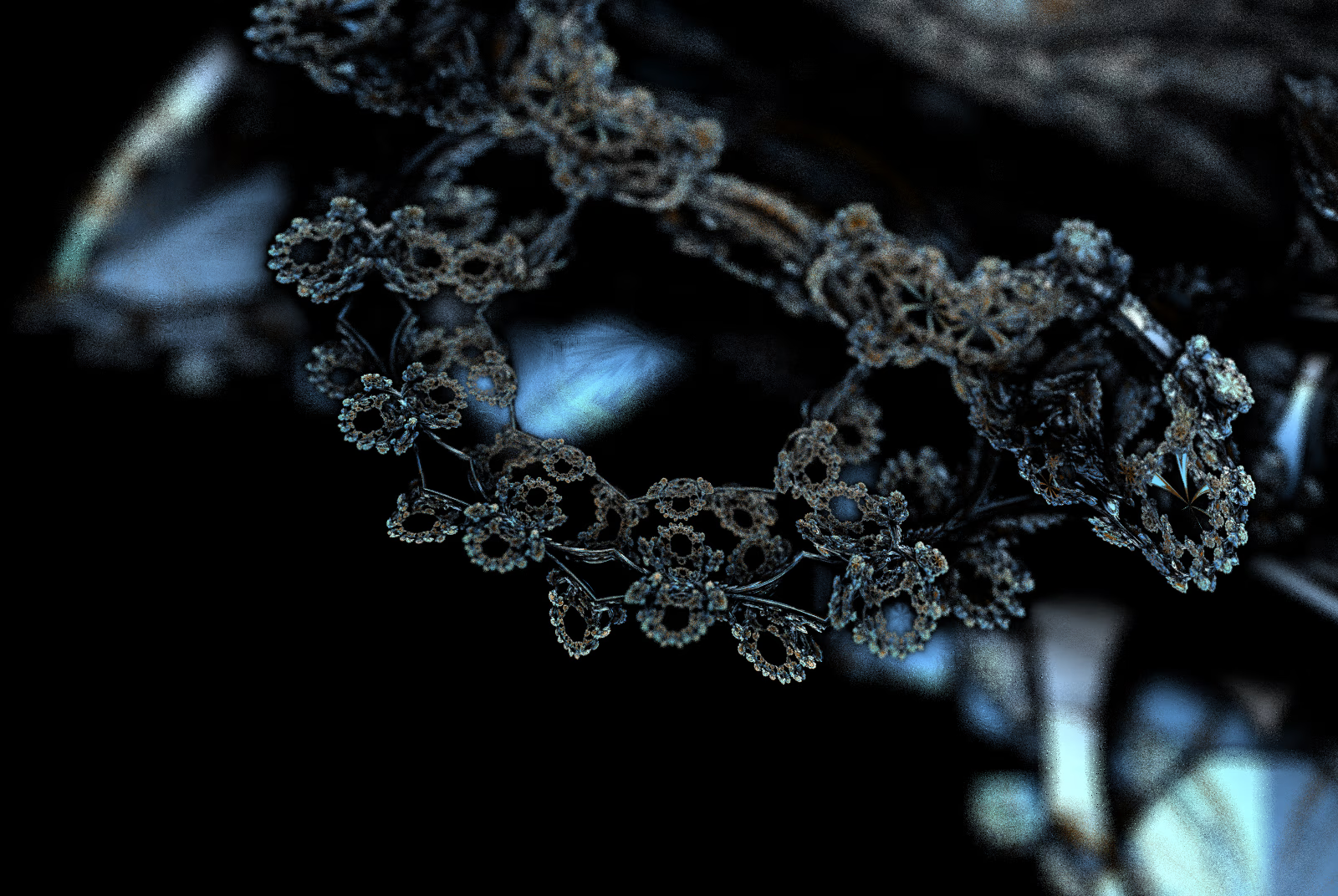
Using the physics of light waves, the Mandelbulb and other 3D fractals can be rendered with the optics of a camera lens, as if you photographed them inside a virtual world. The Gaussian thin lens equation describes how light bends through a camera lens and focuses the image on the sensor.

where:
do is the distance to the object.
di is the distance to the image projected on the camera sensor.
f is the focal length of the lens.
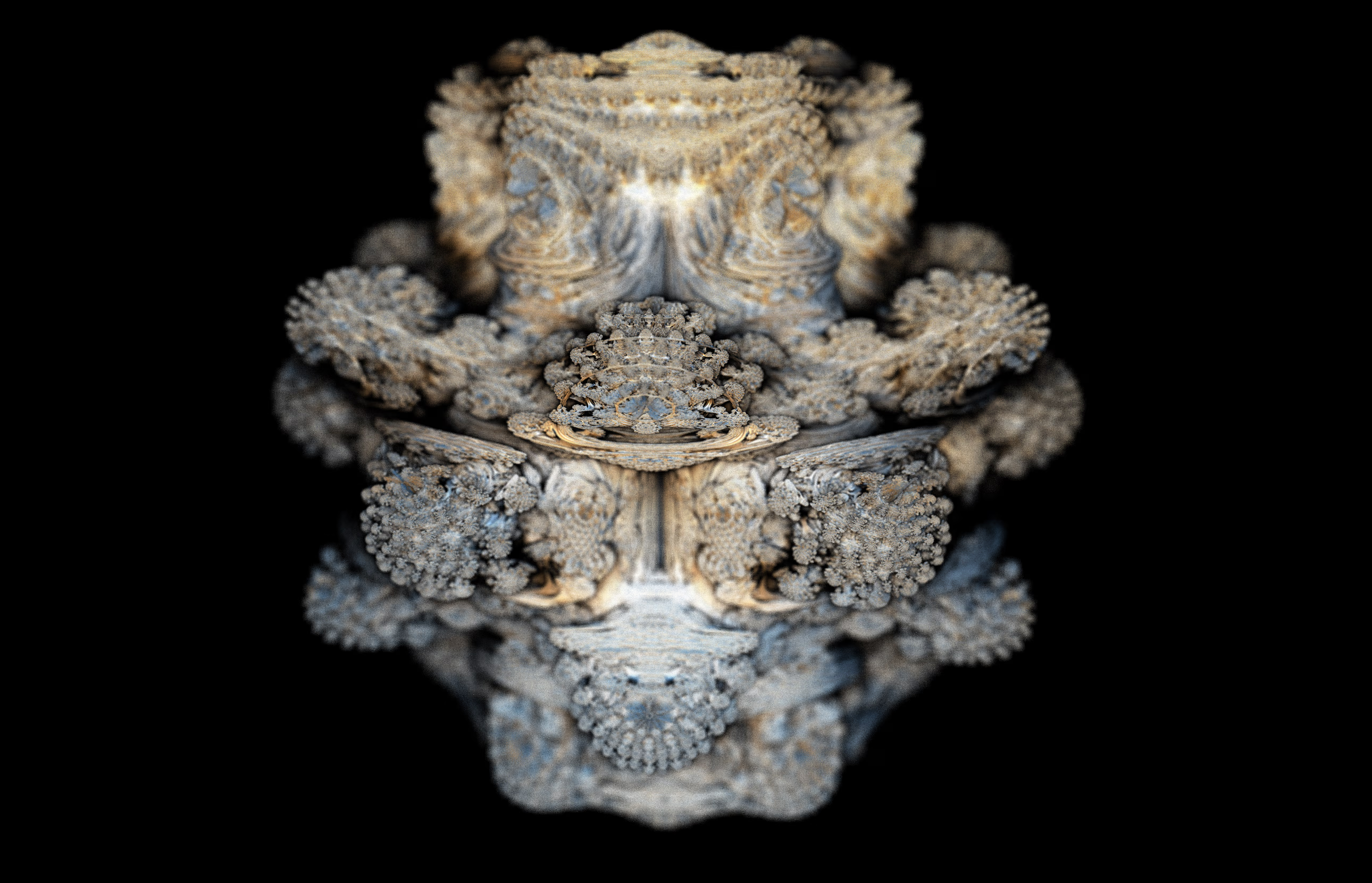
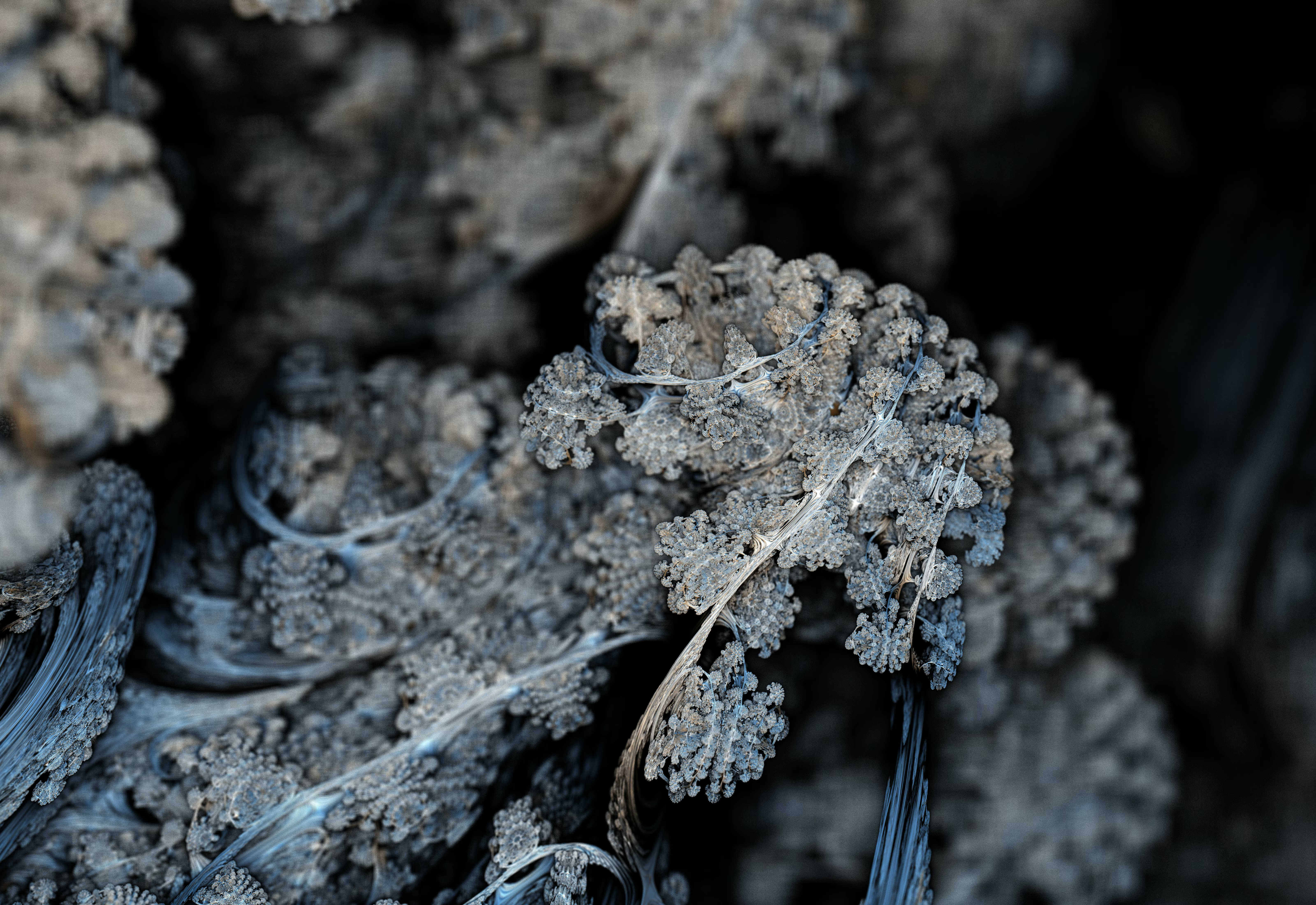
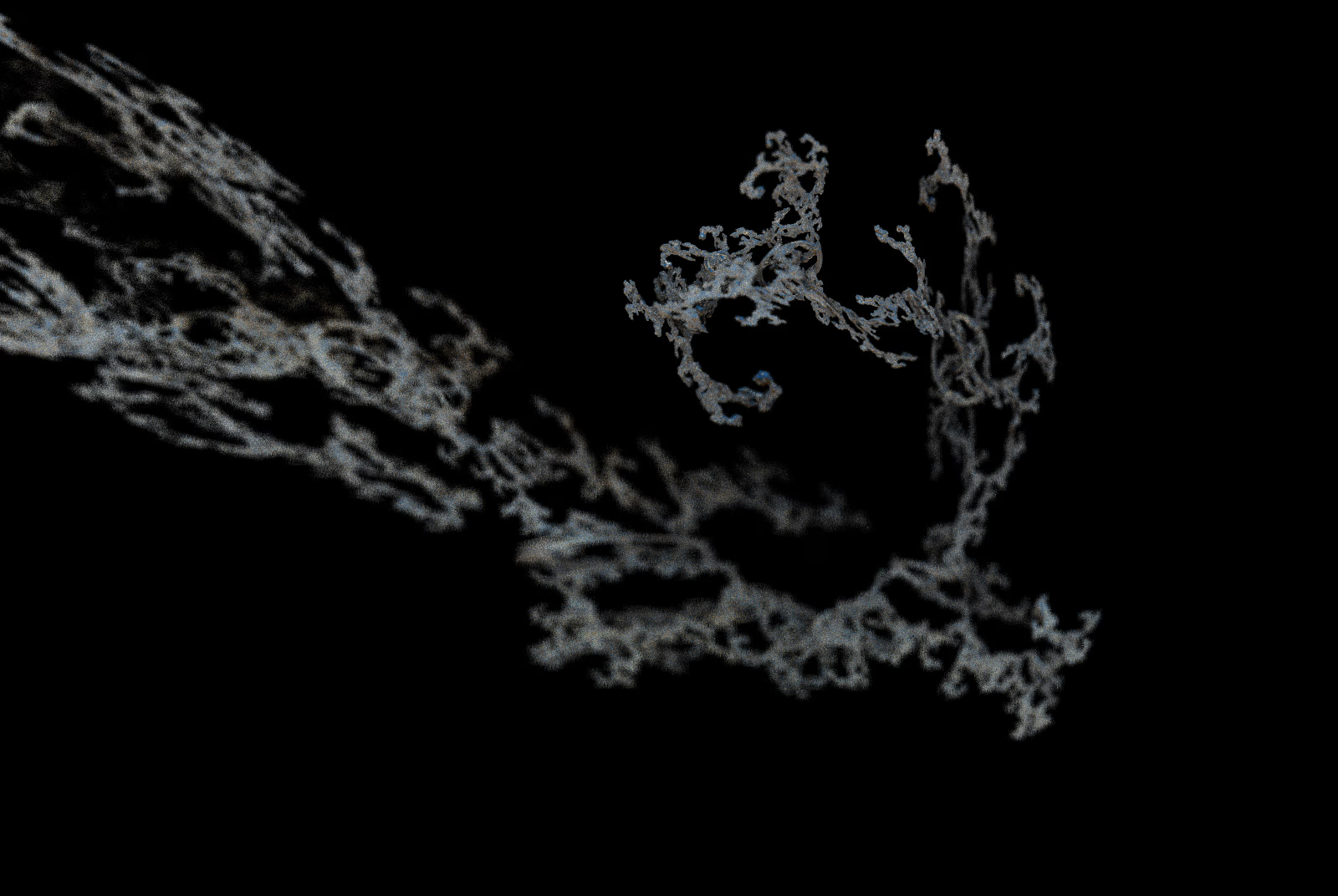
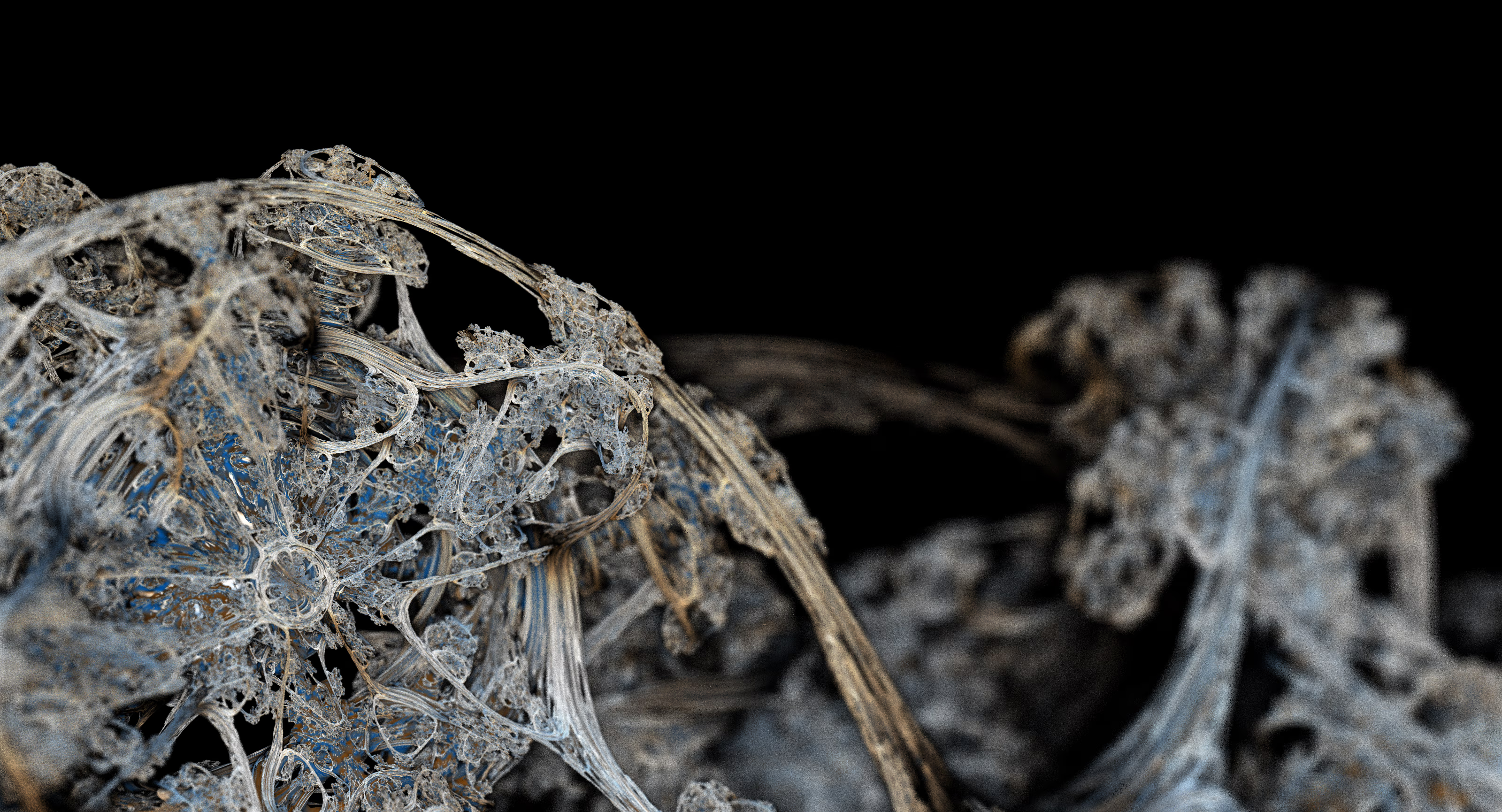
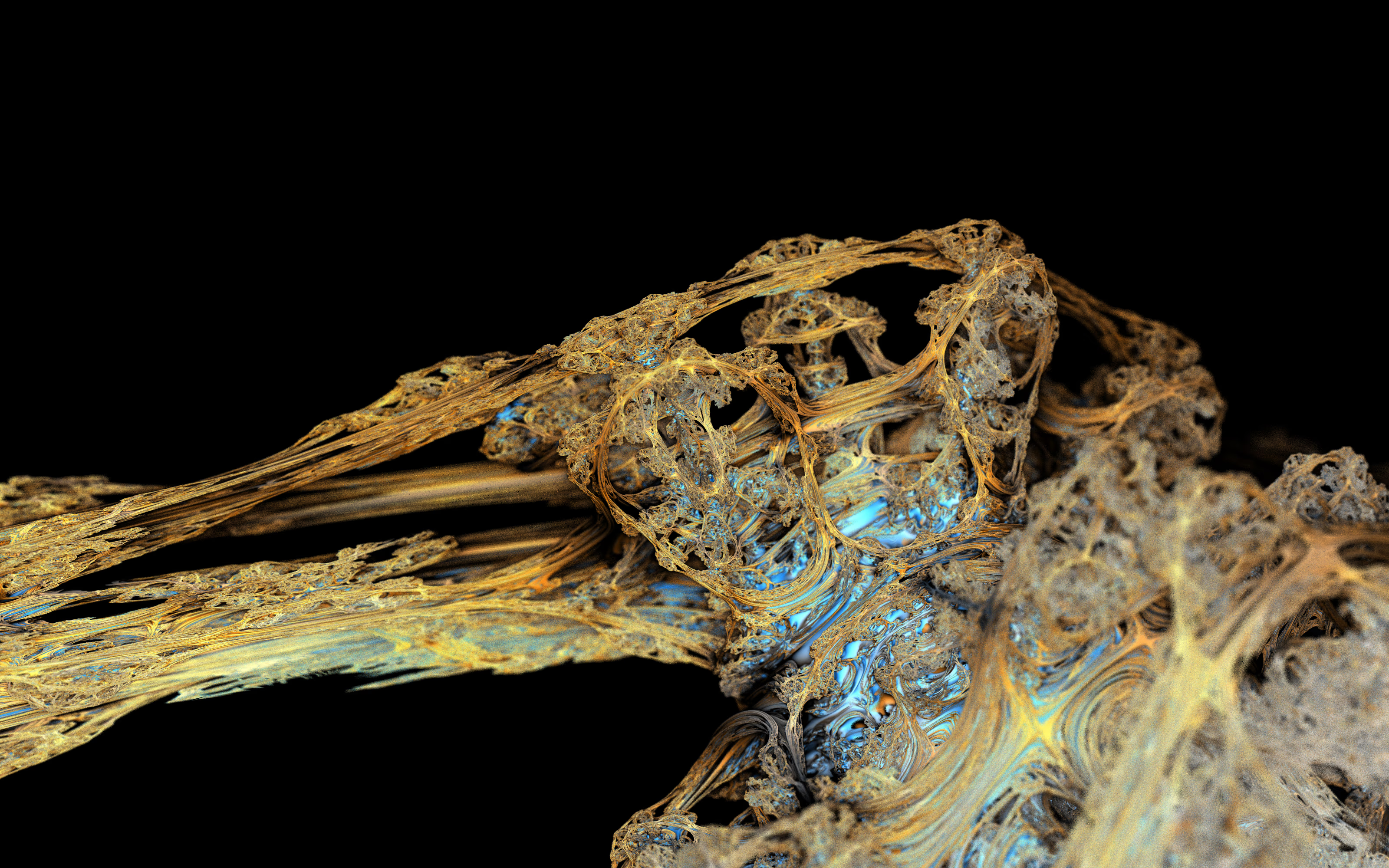
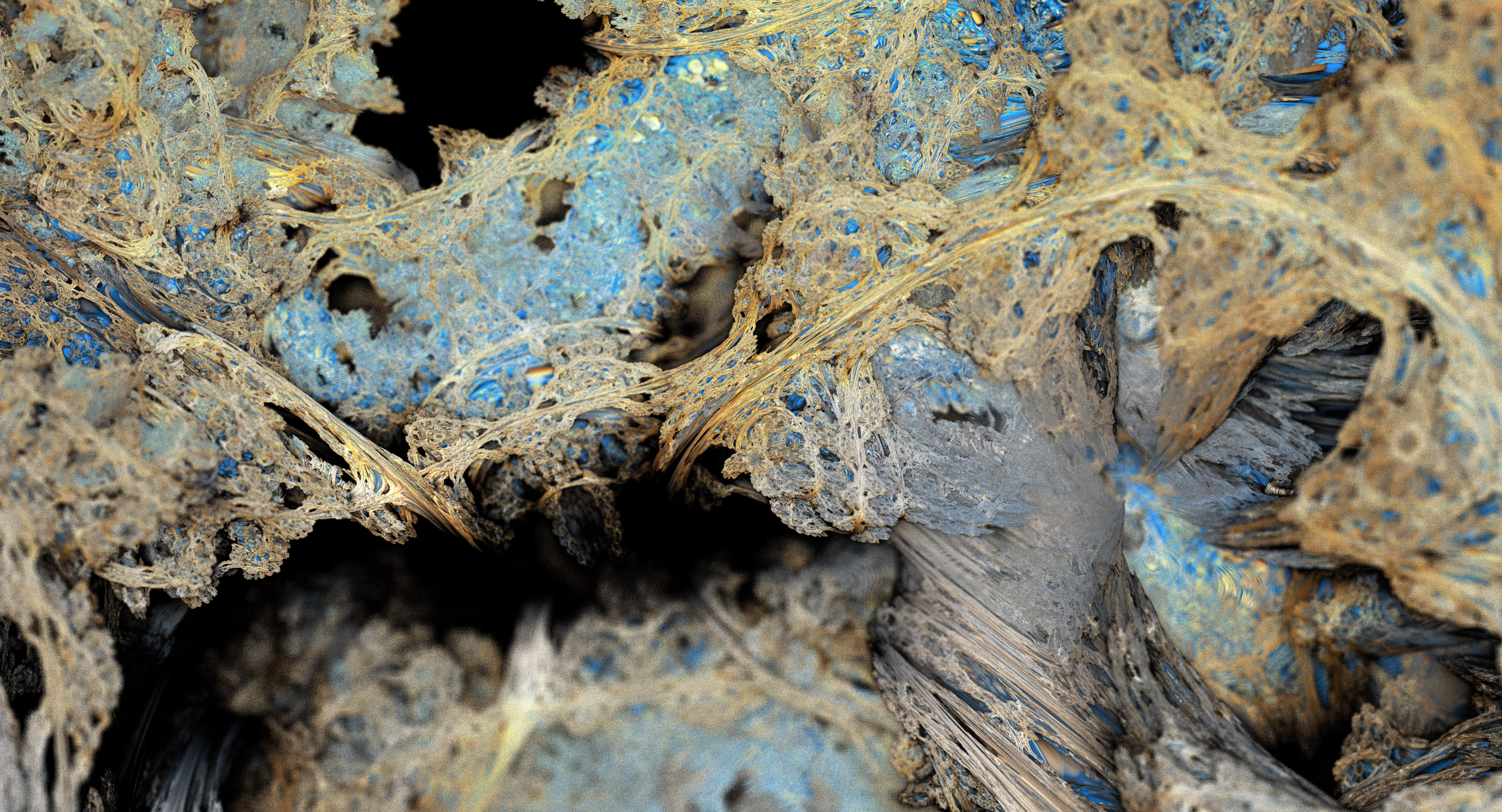
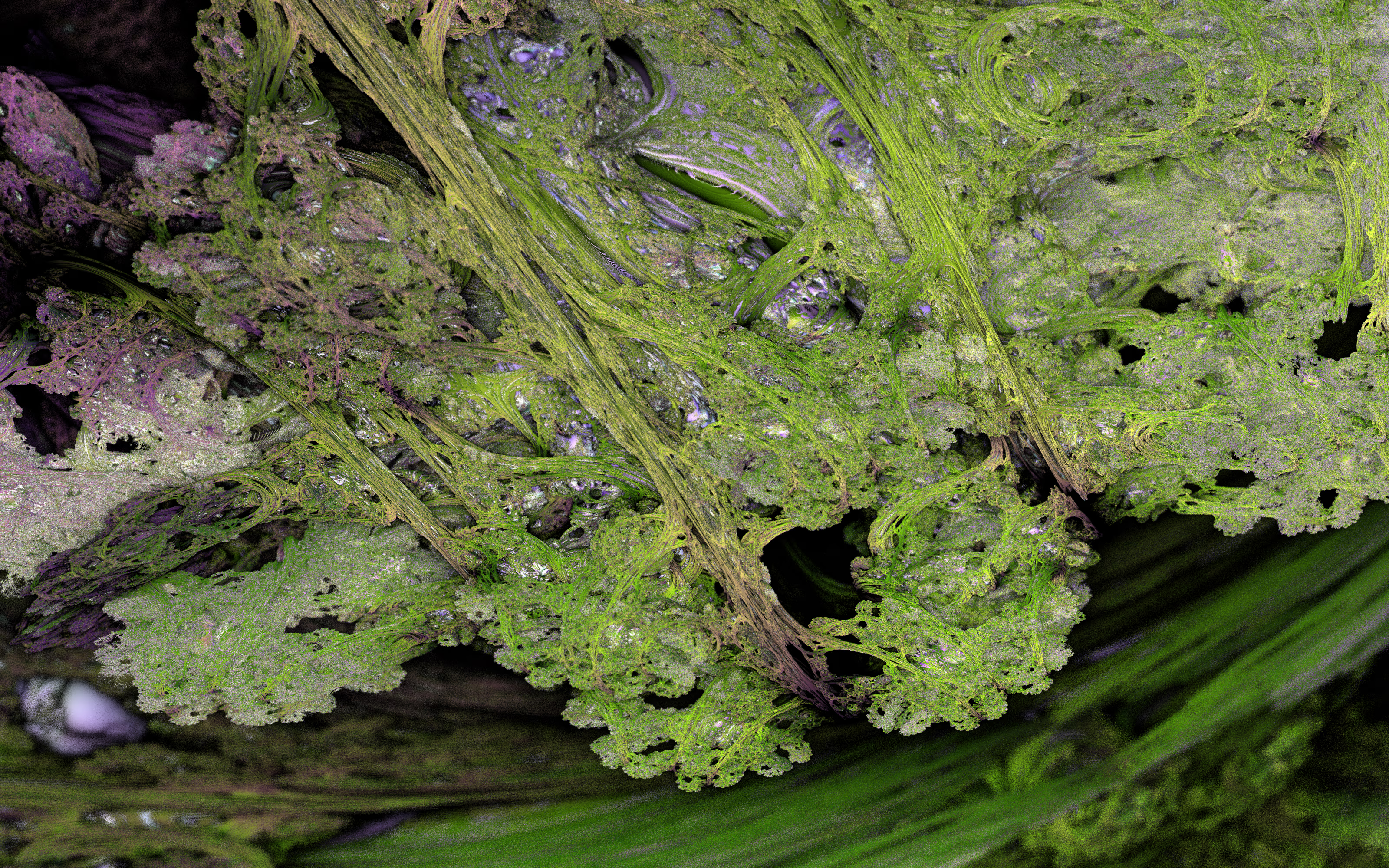
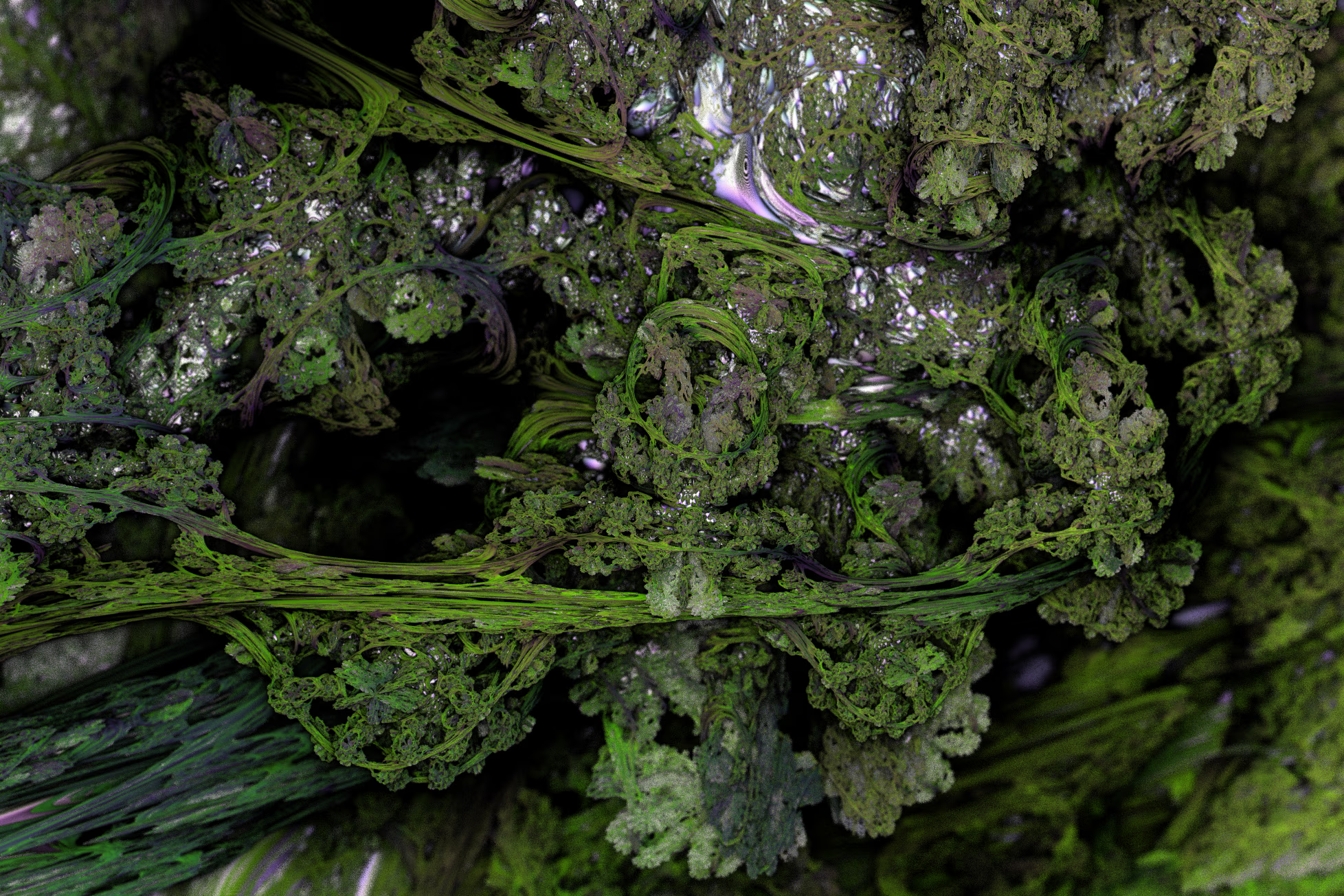
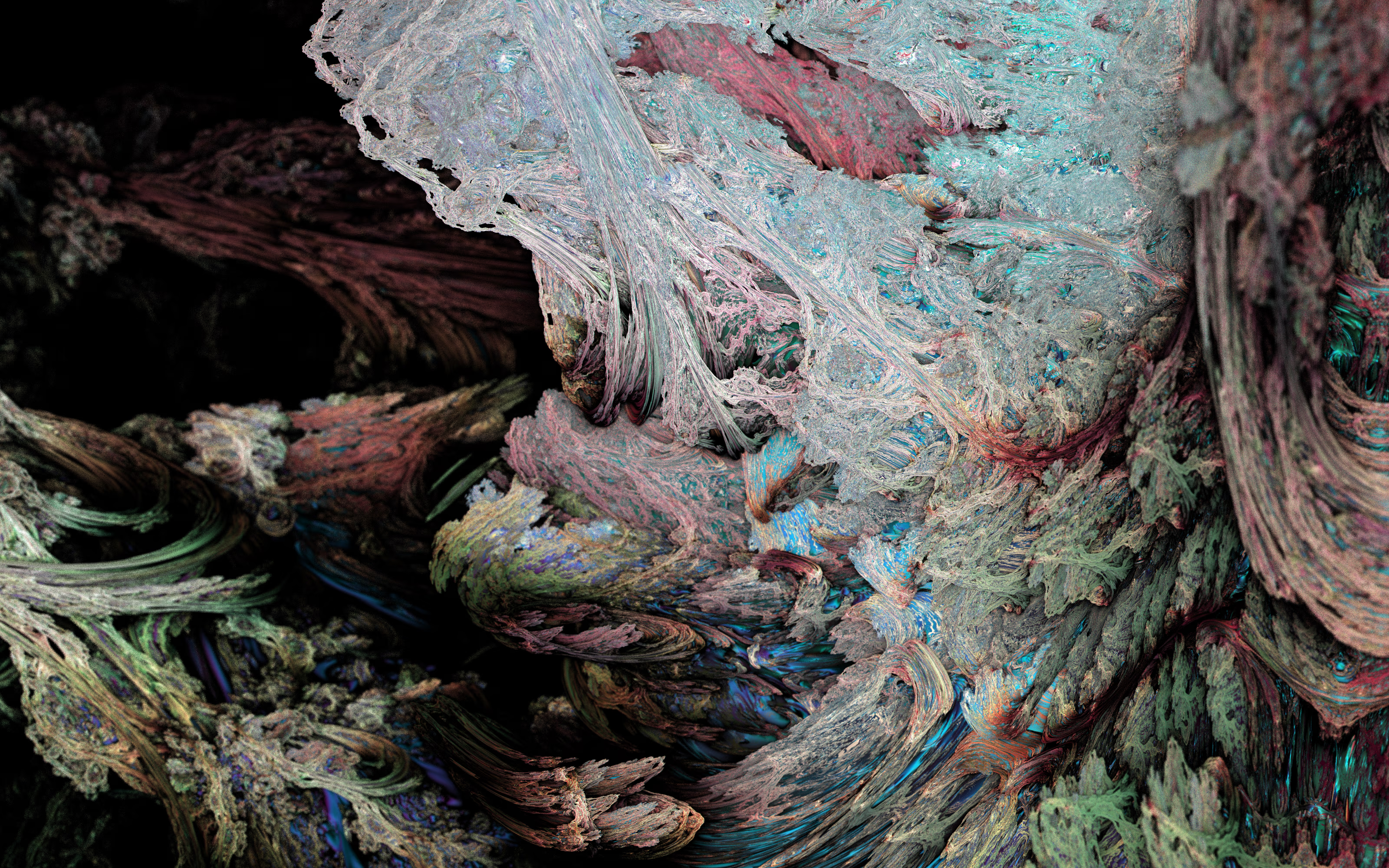
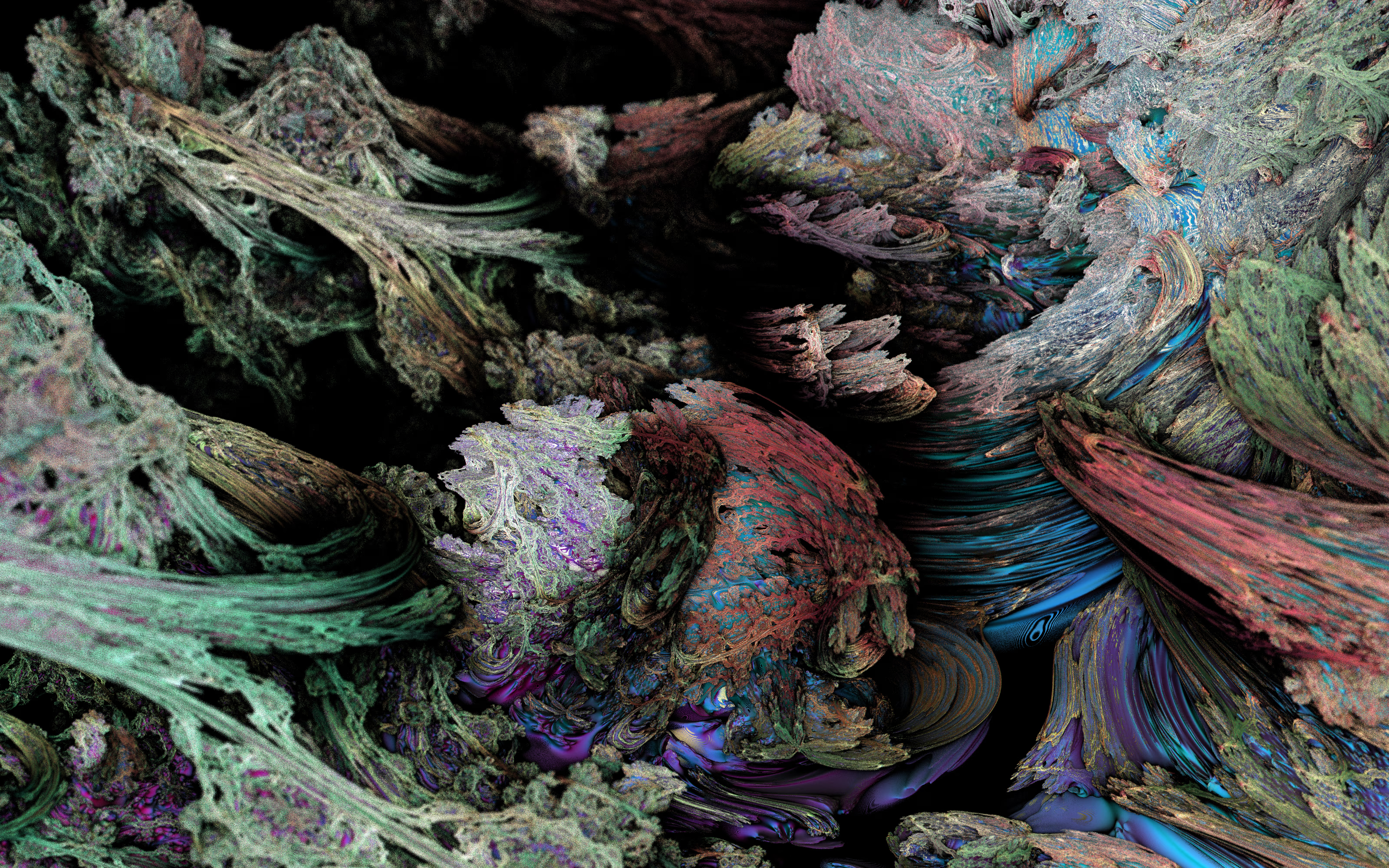
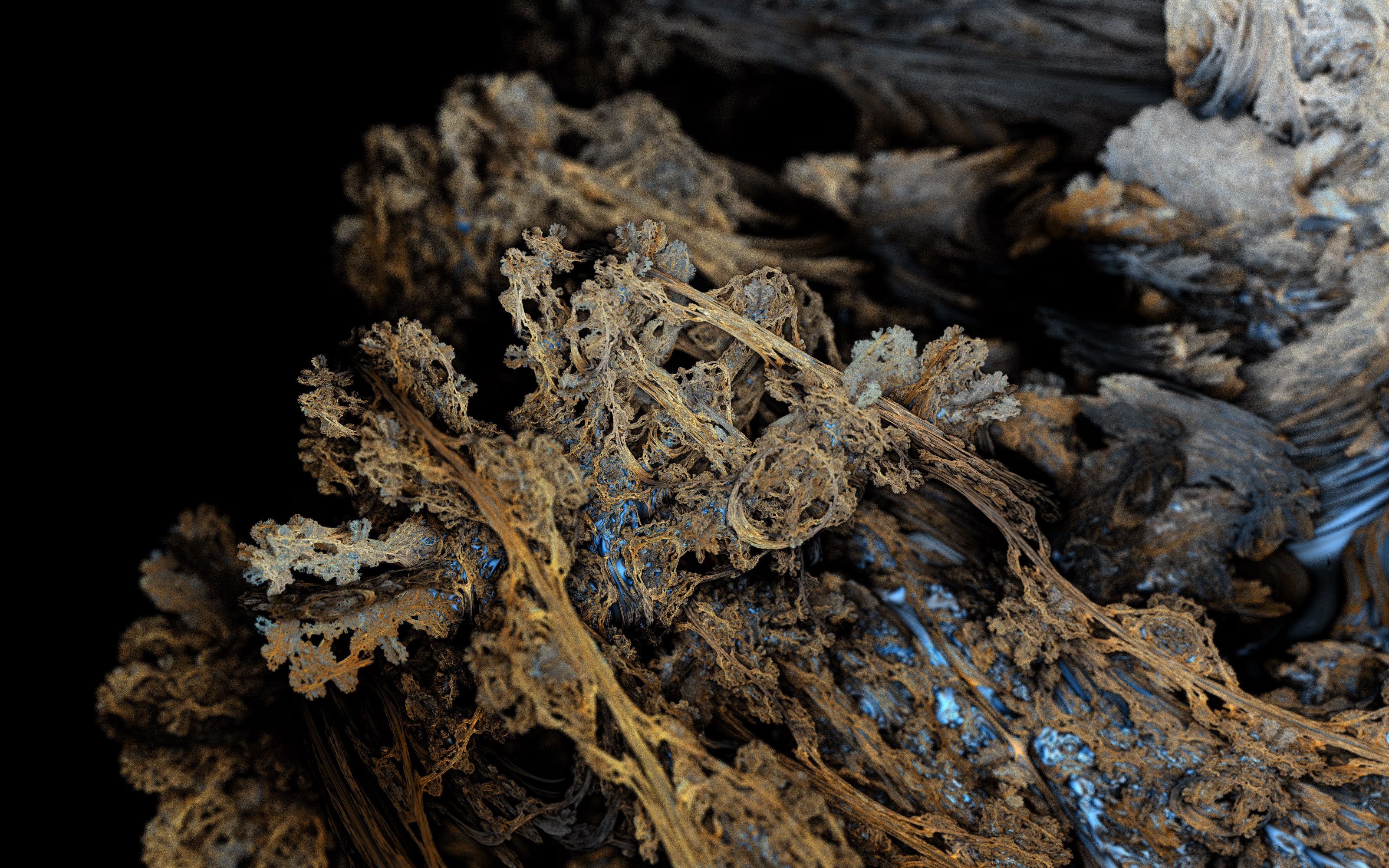
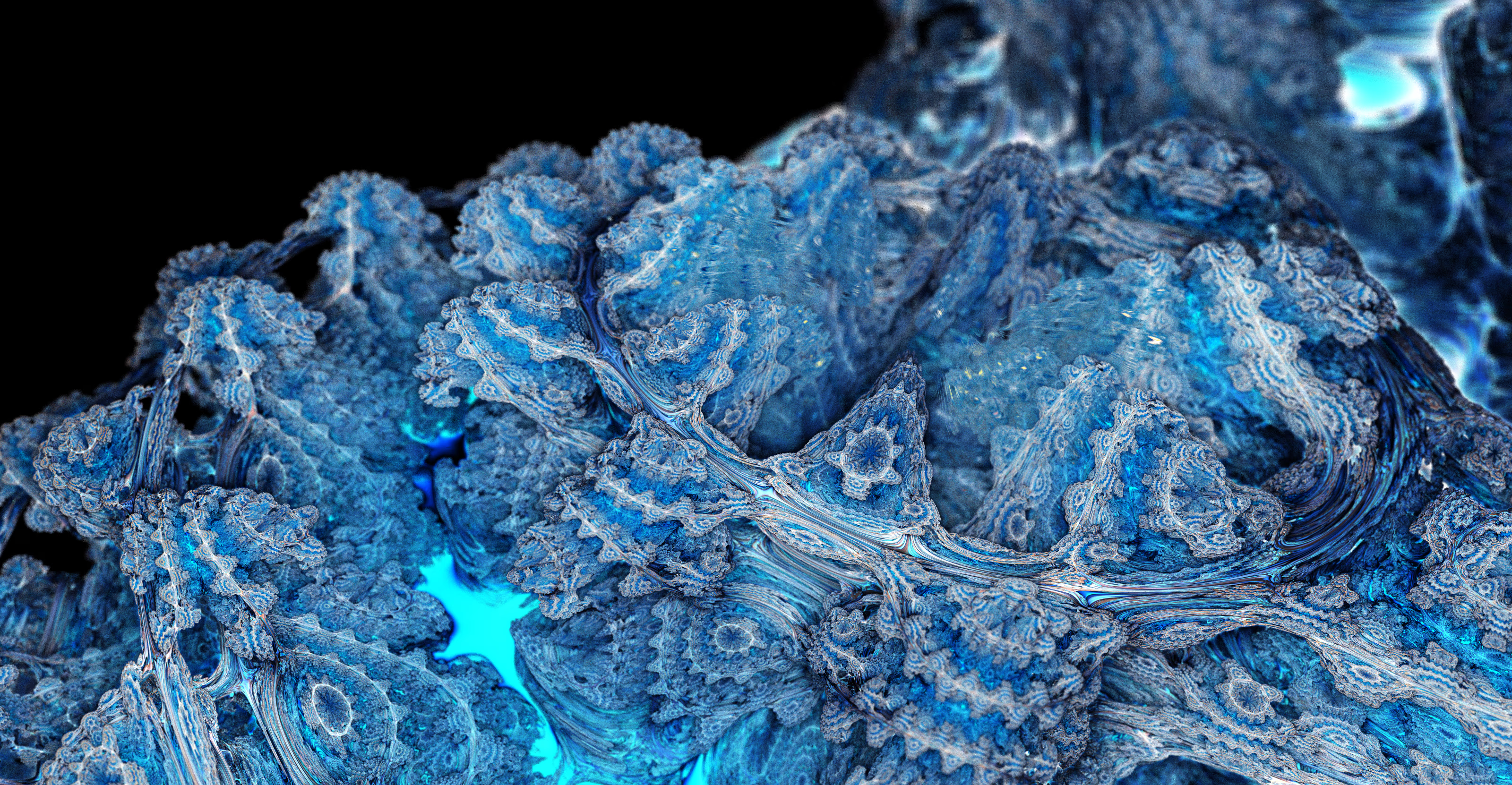
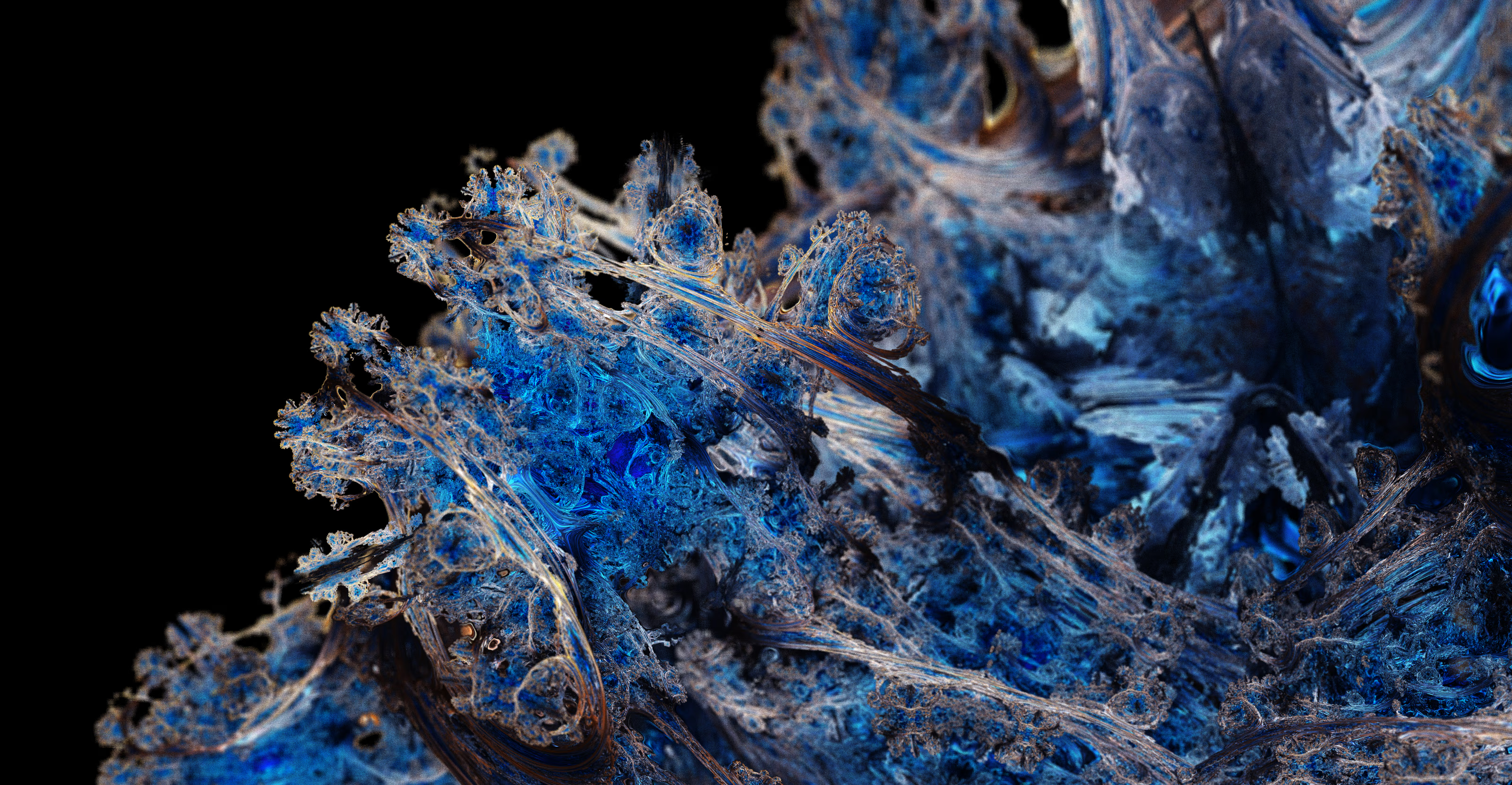
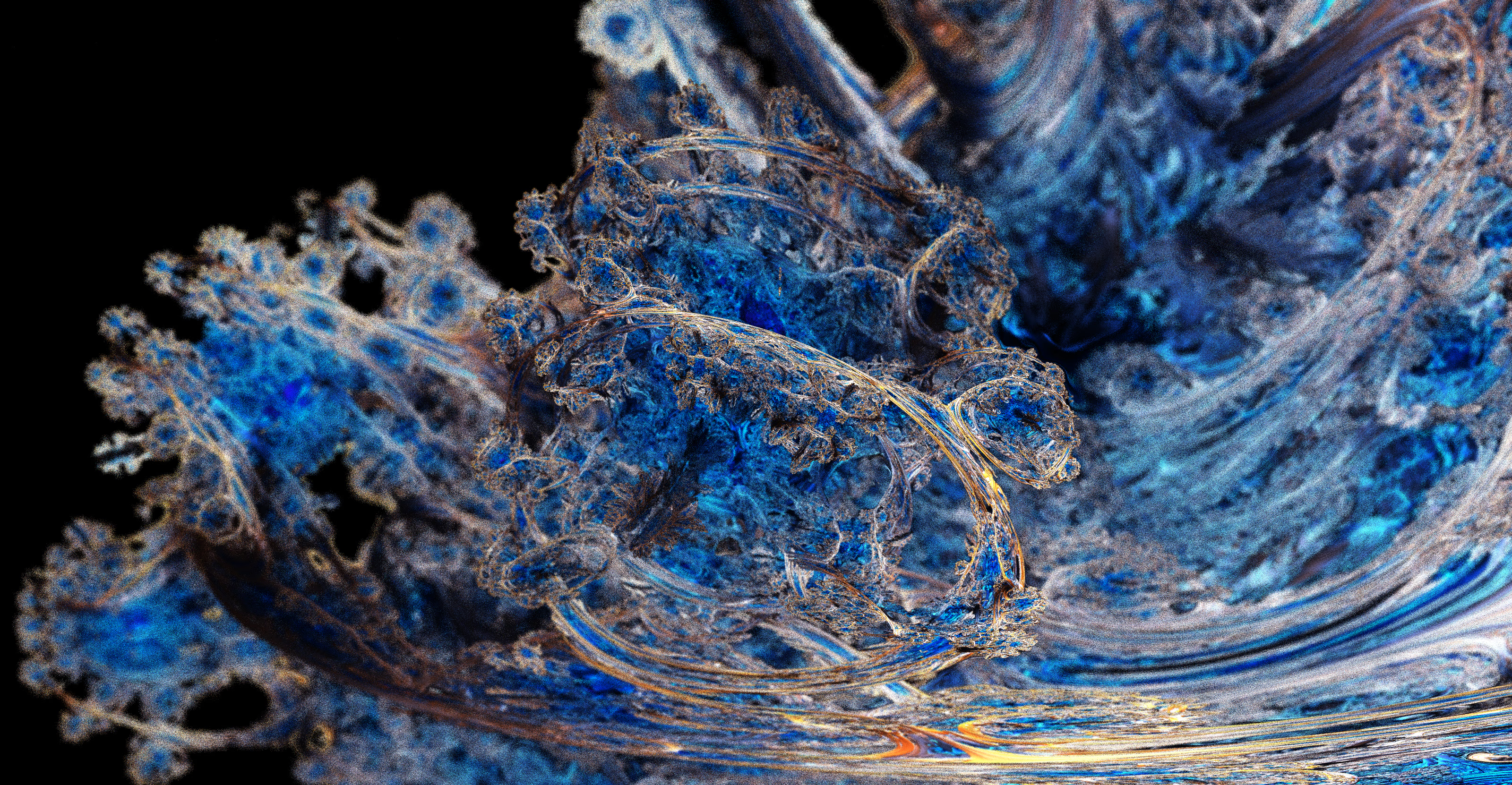
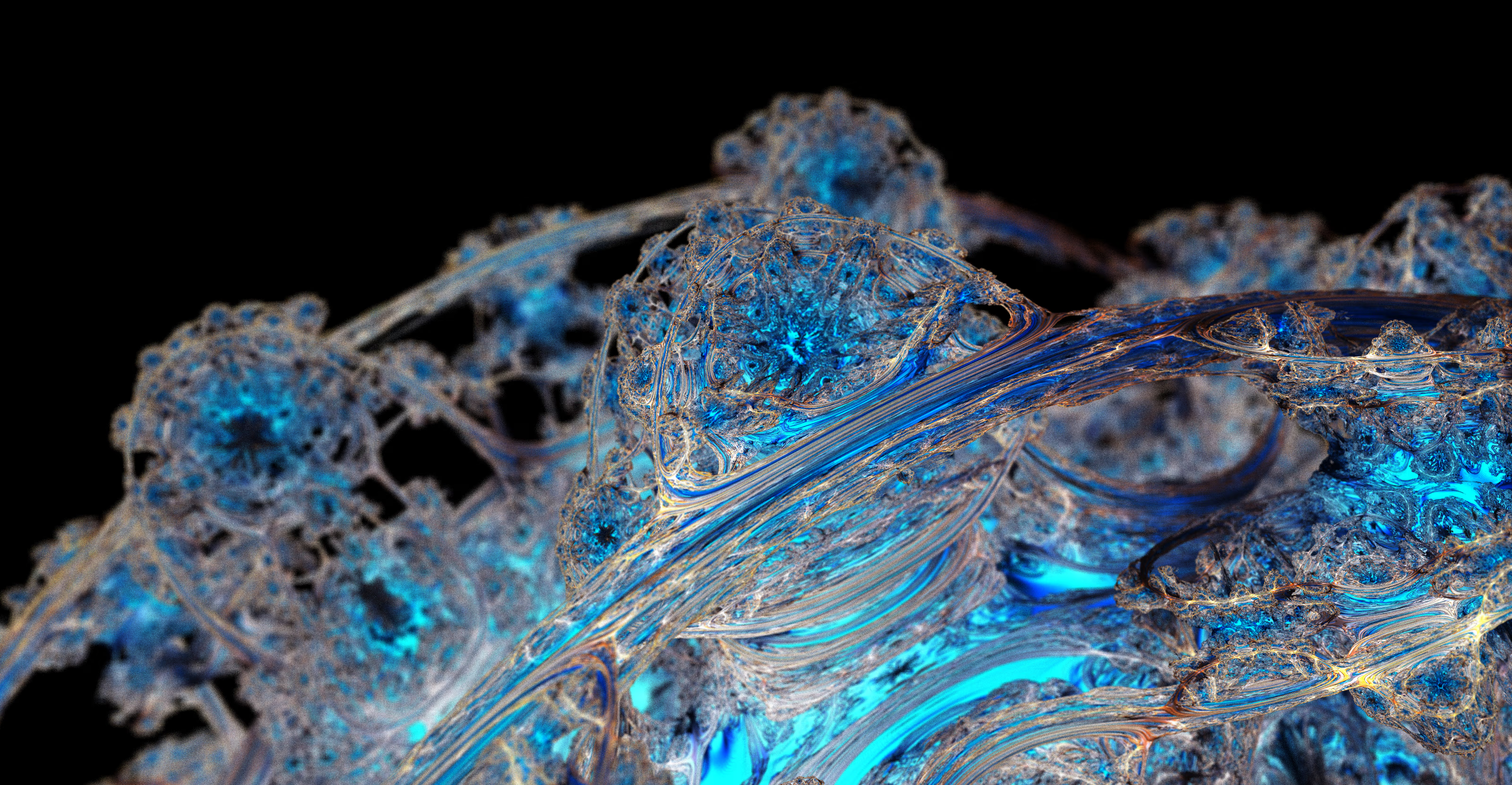
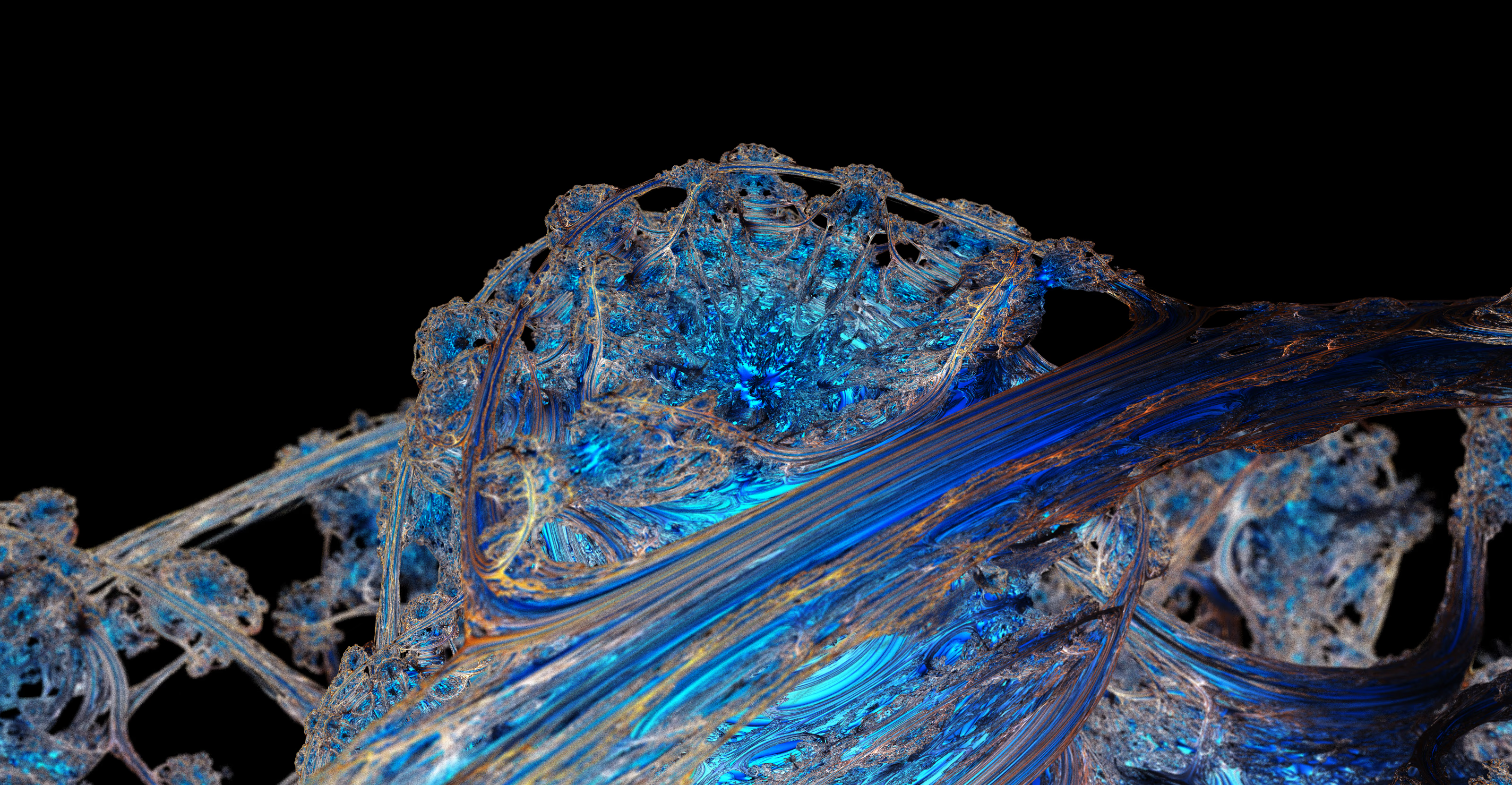
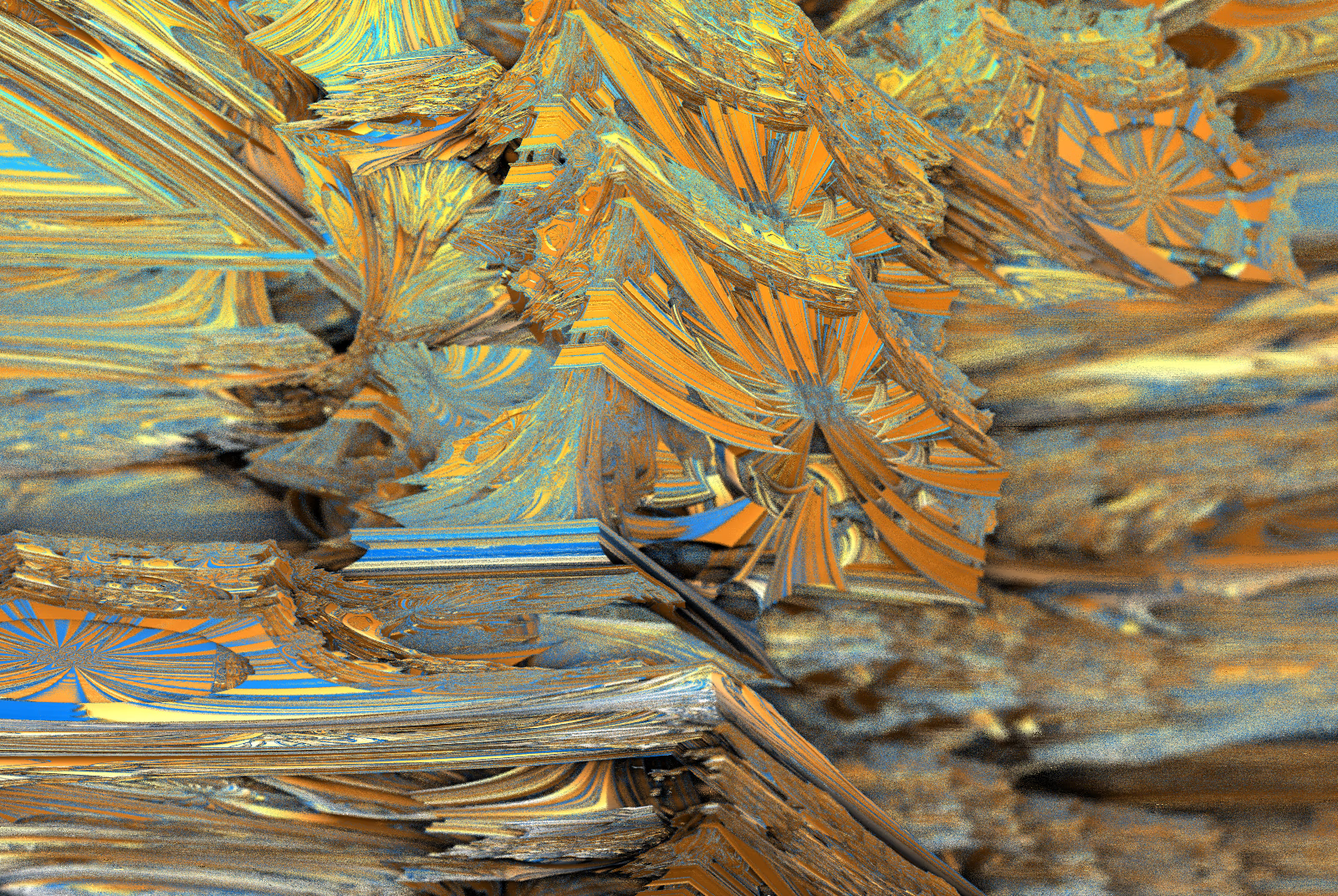
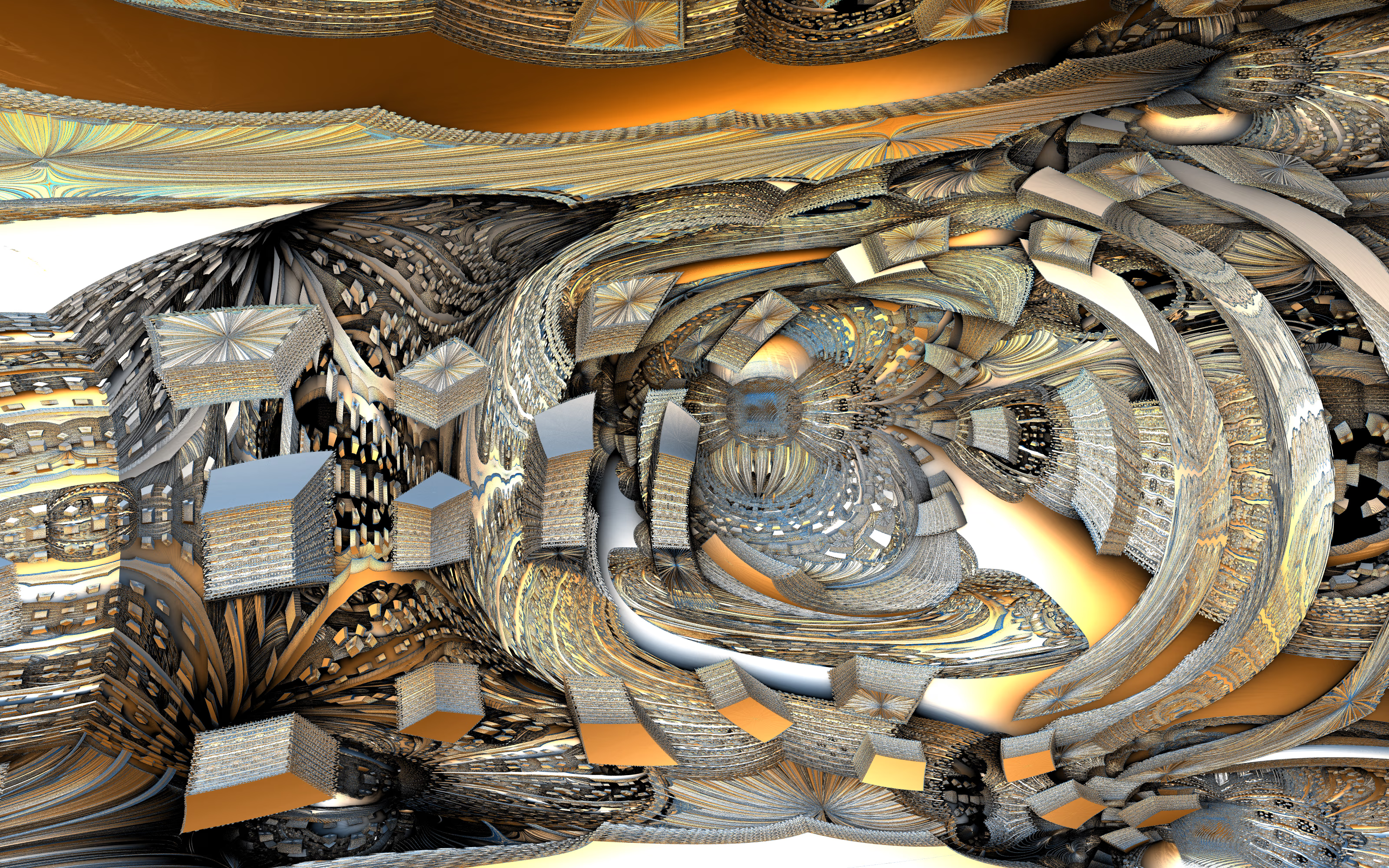
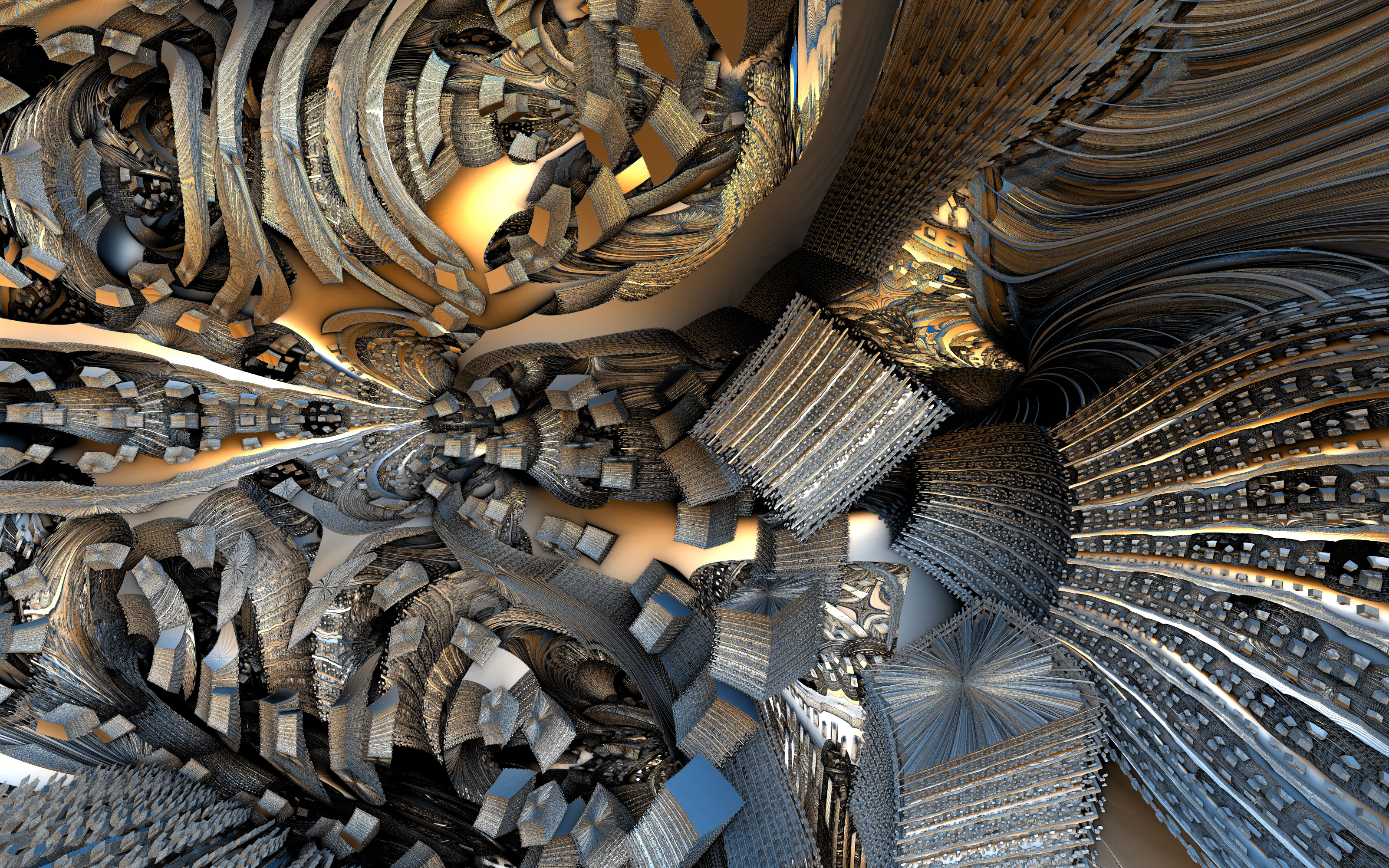
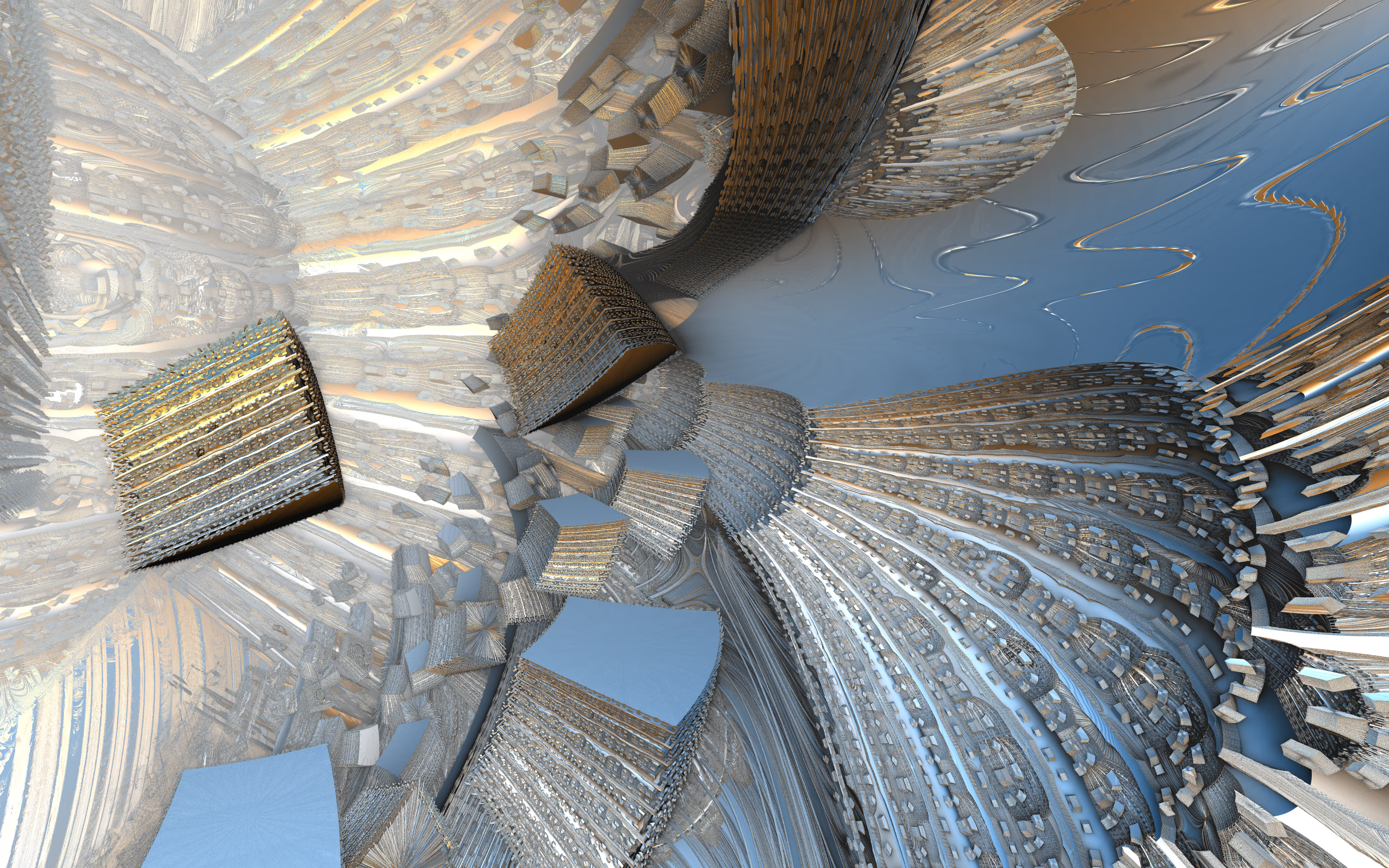
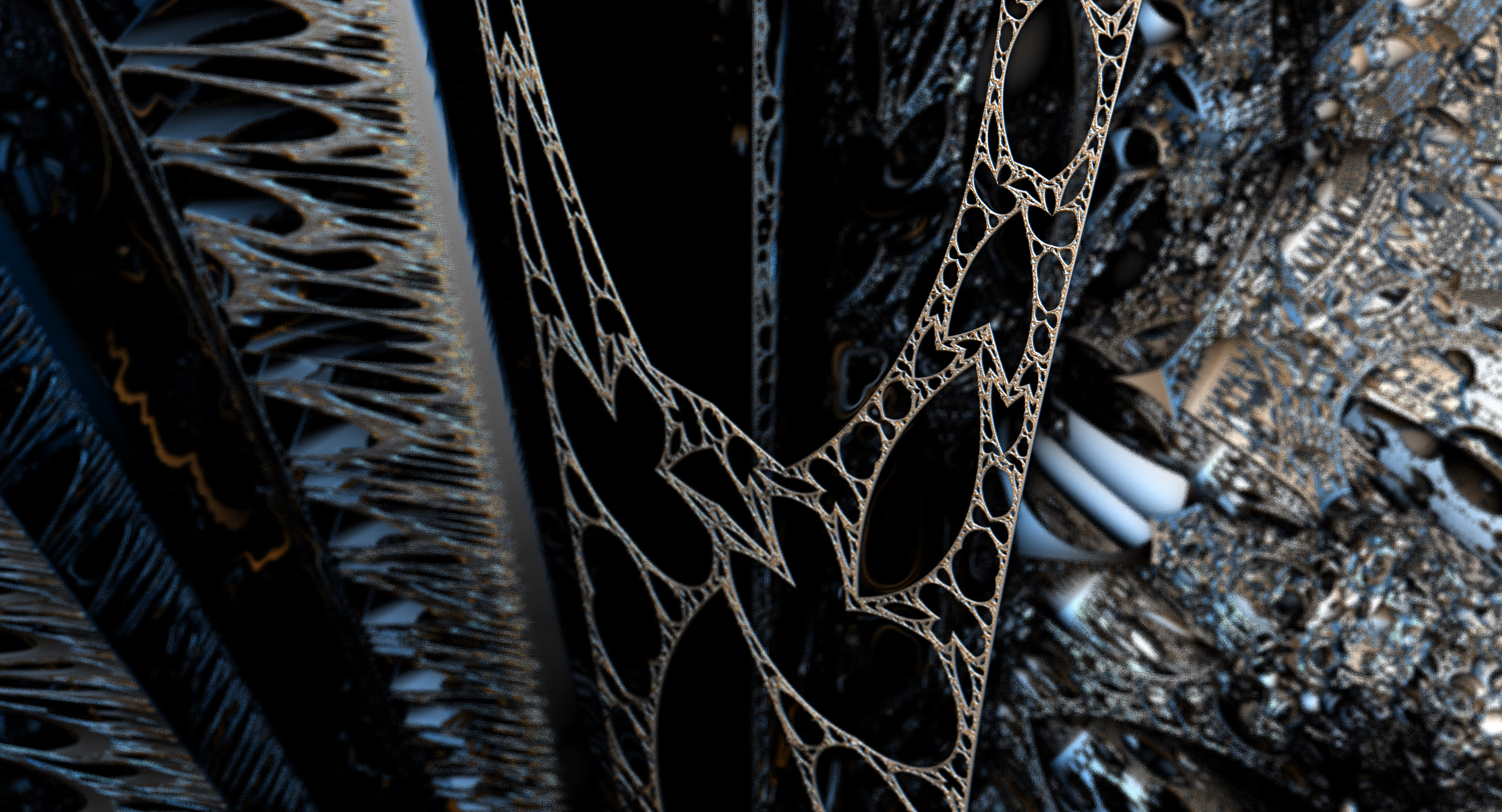
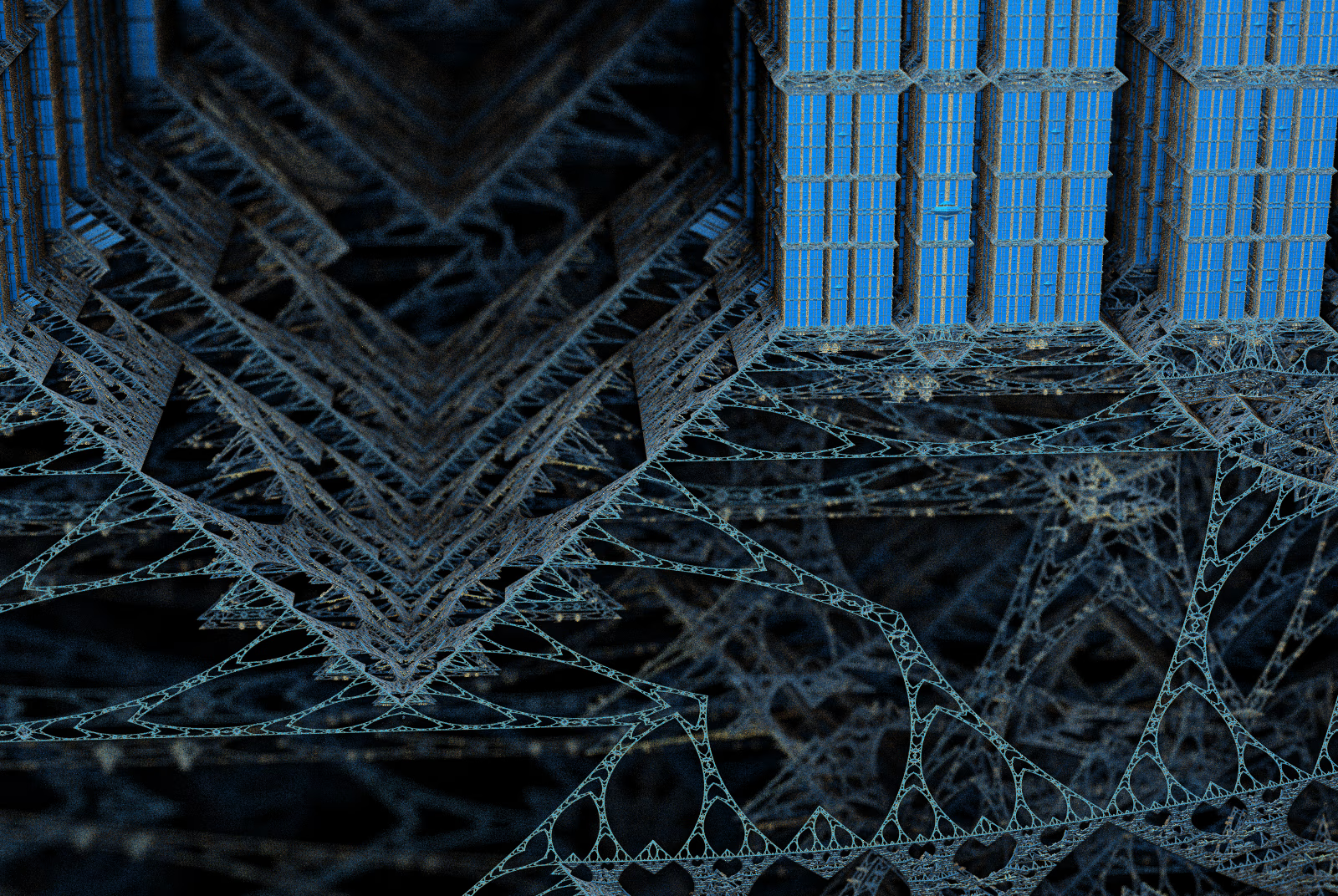
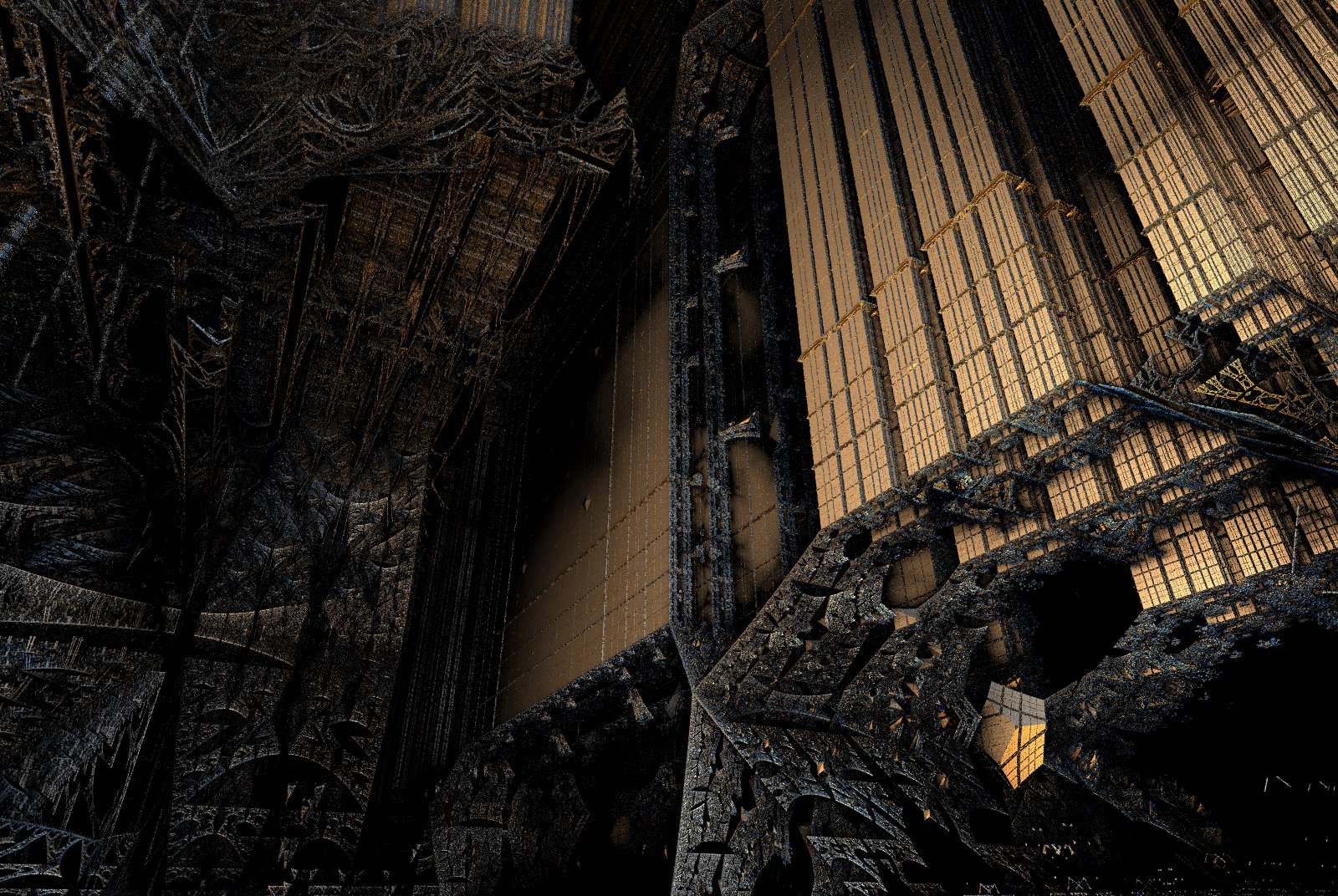
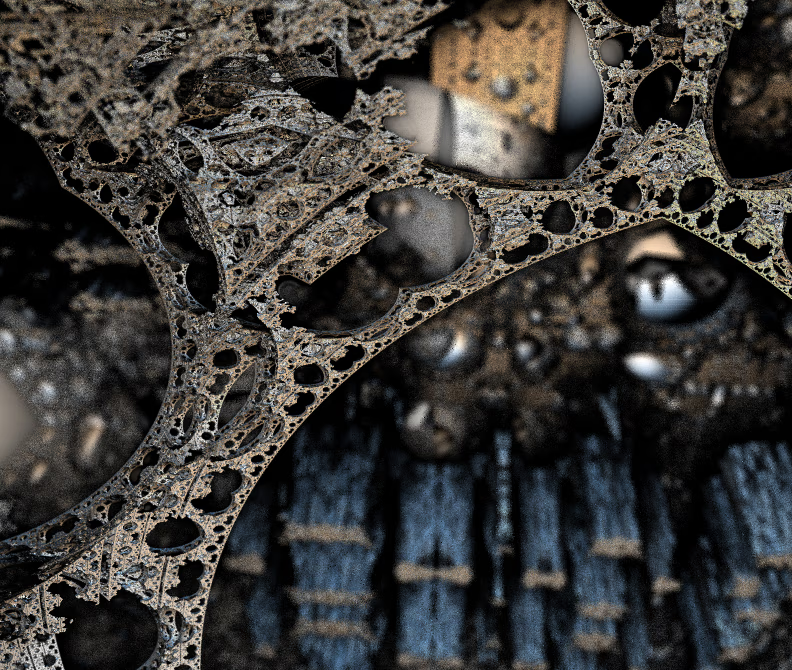
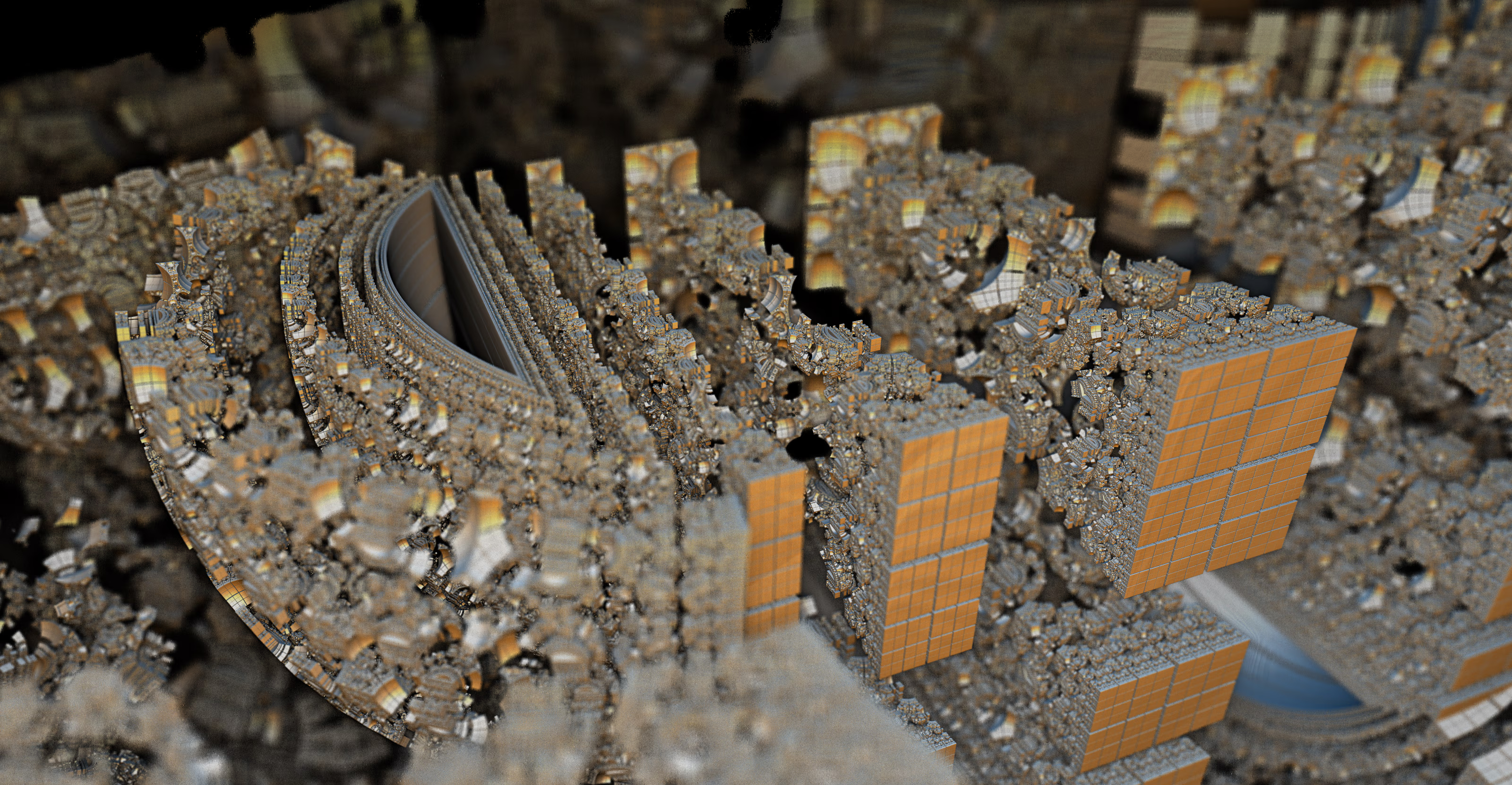
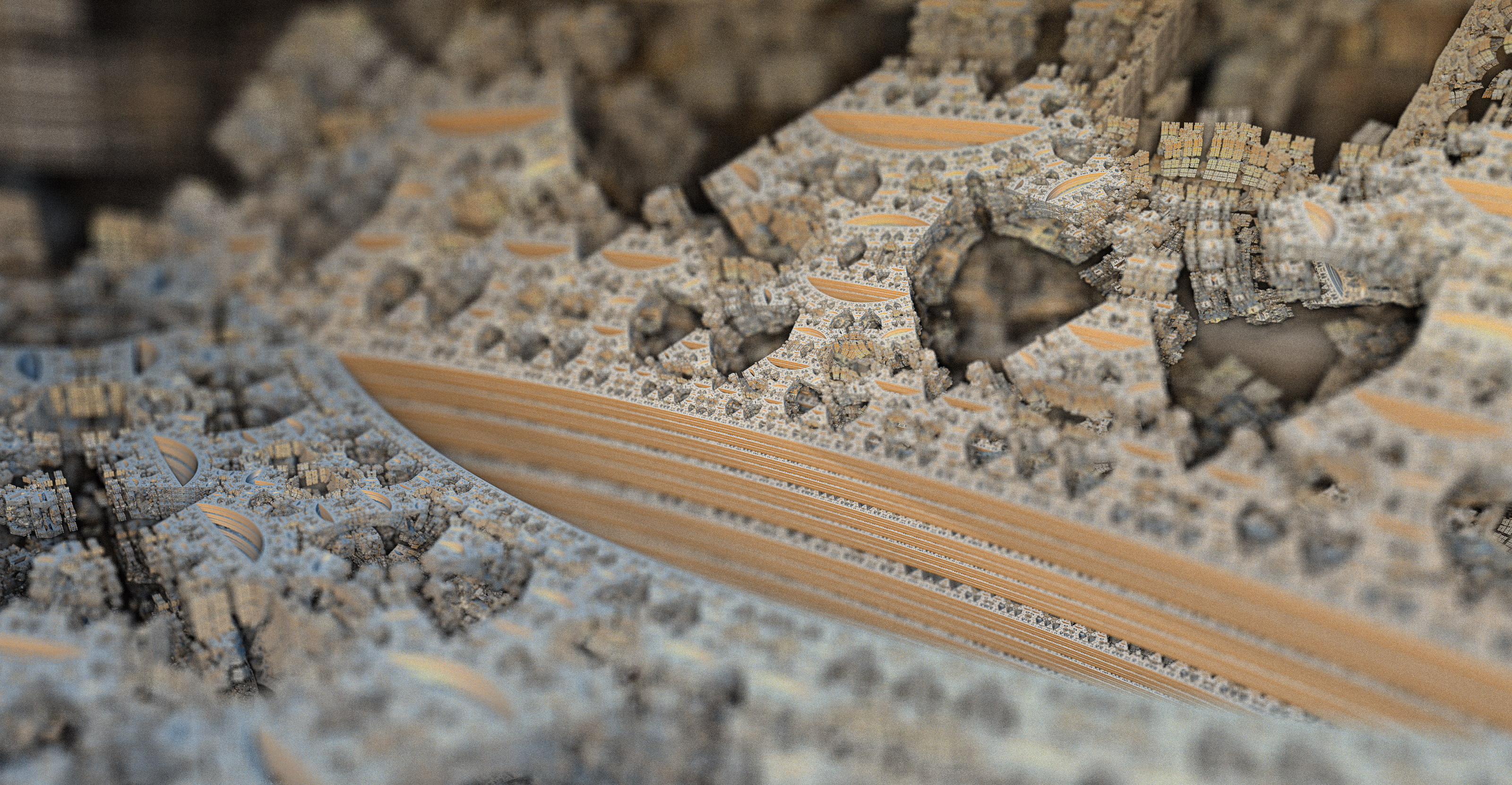
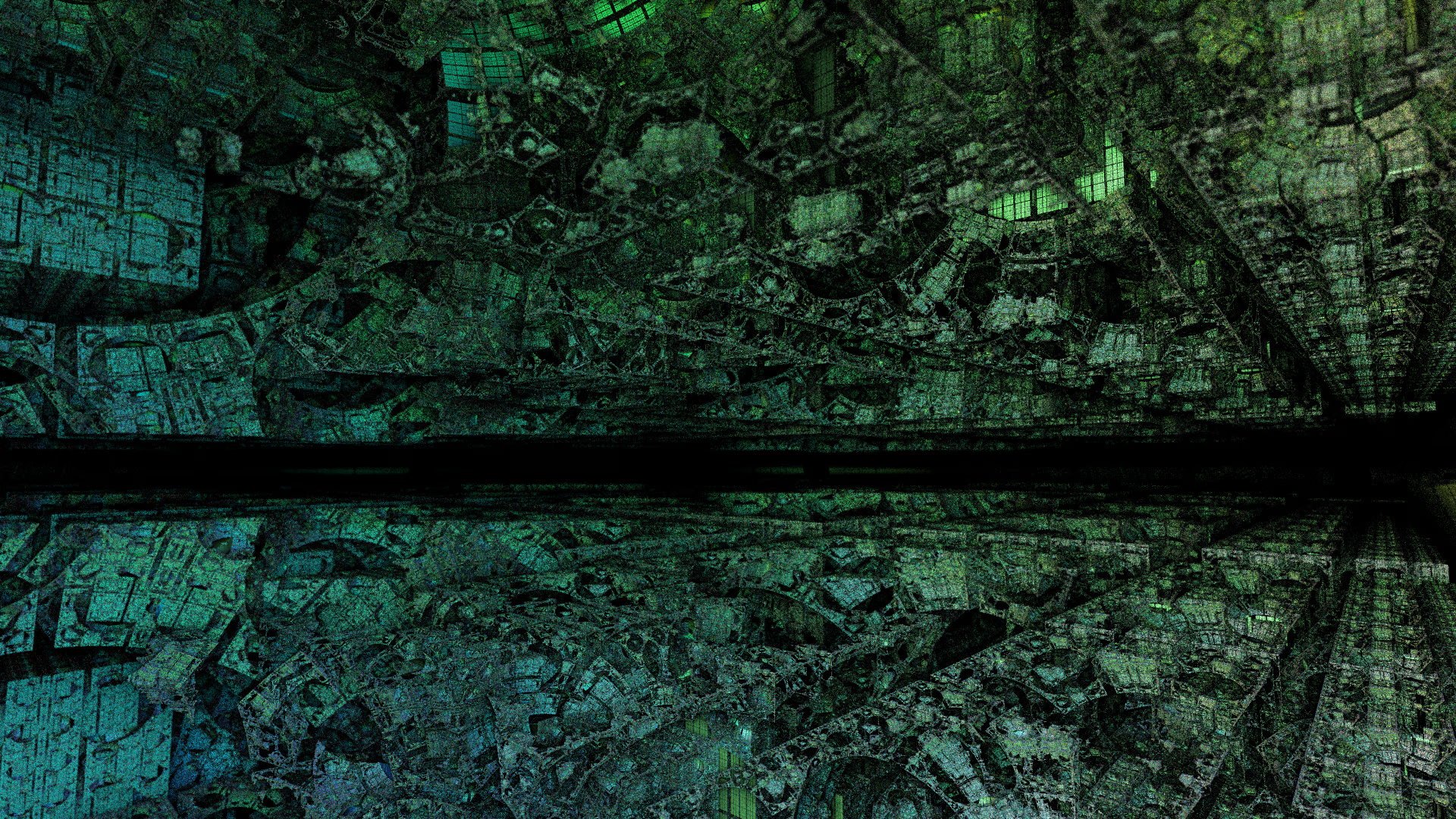
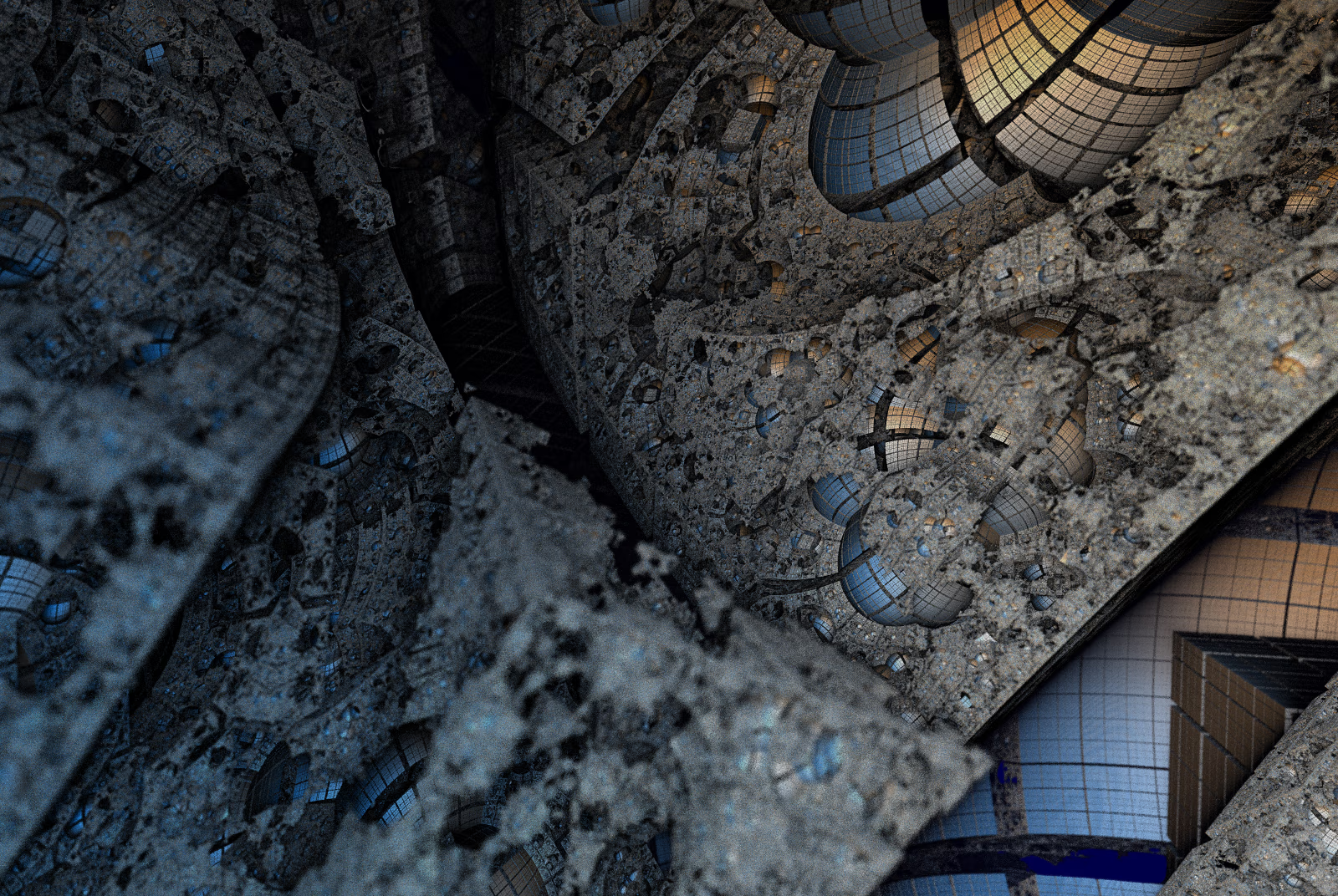
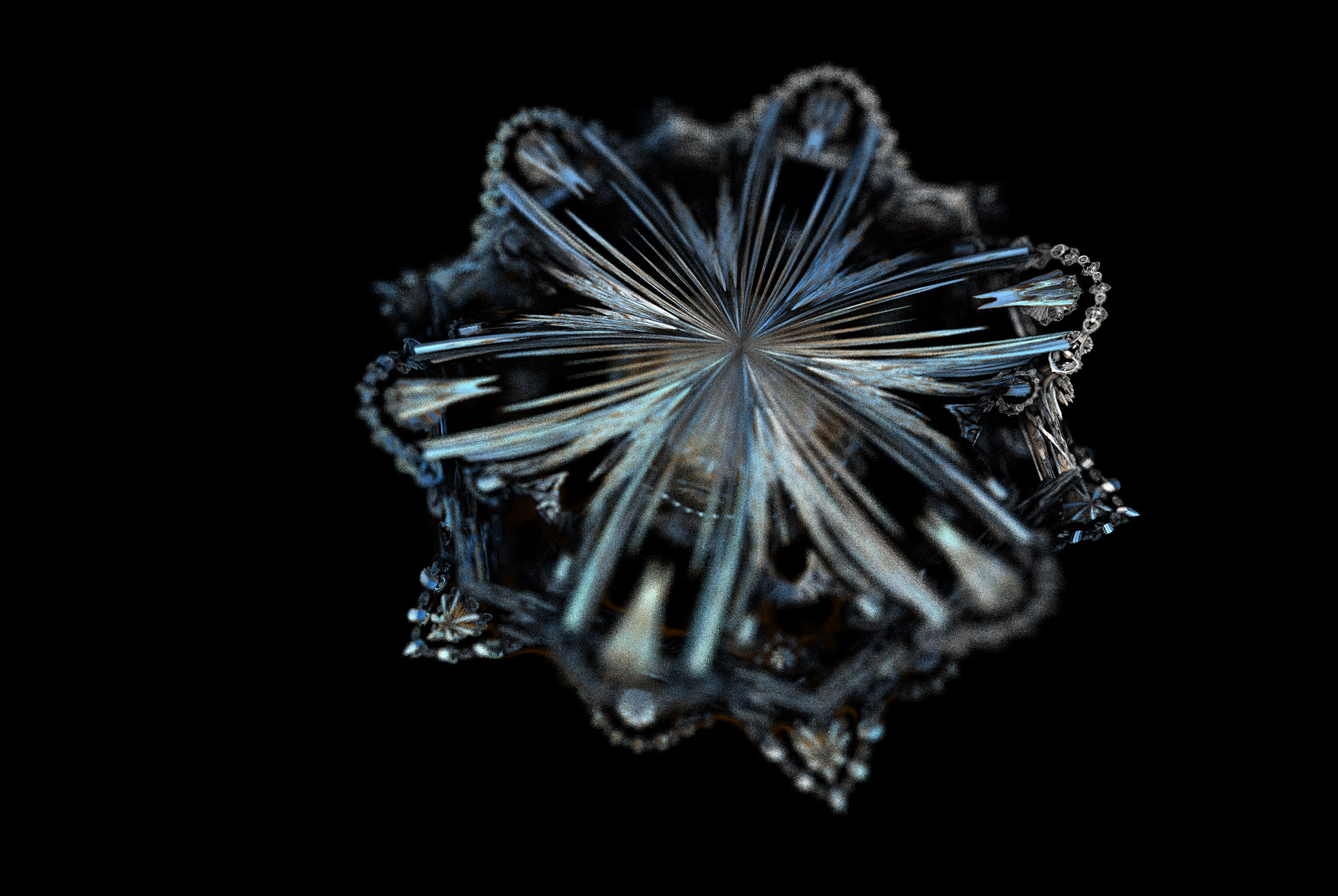
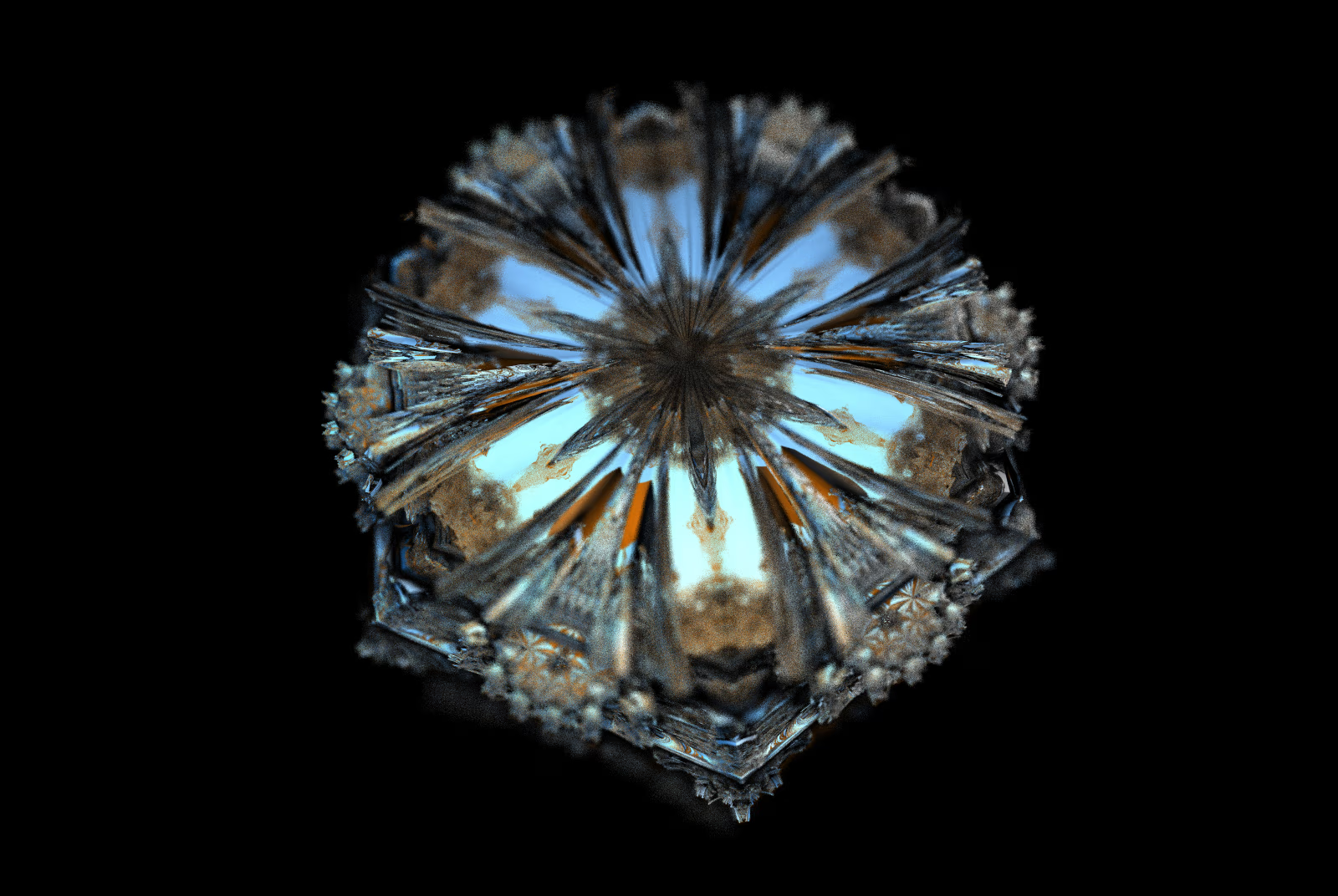
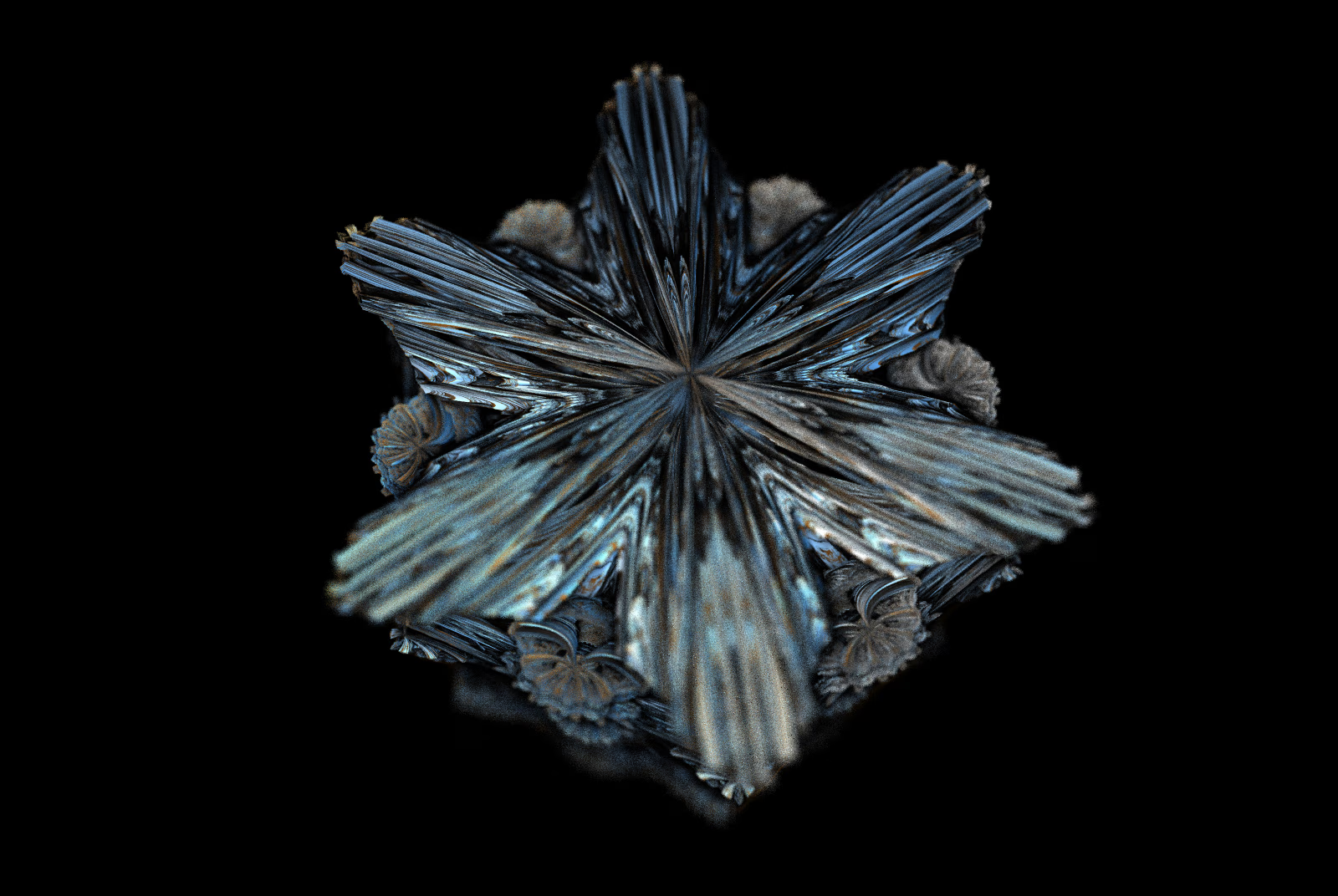
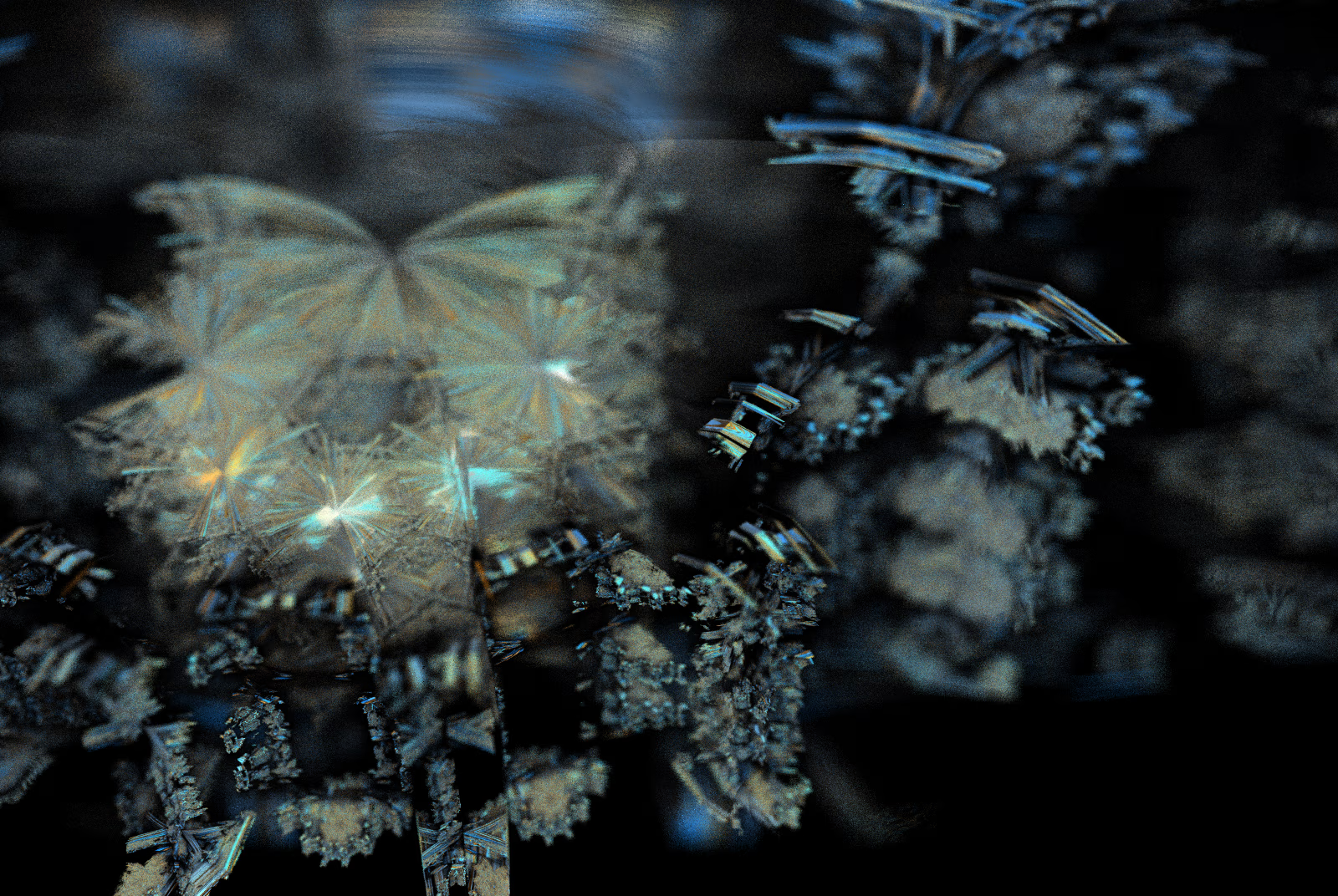
I wrote a custom GPU-based program to render the images in tiles, with multiple passes for supersampling. It has a virtual camera with a lens and a focal length, which I've adjusted so that the most interesting parts are in focus. Without a depth of field, the details are often difficult to see against a background of infinitely many more self-similar details. The focus gives objects a sense of depth when the background is decoratively blurred and the focal point becomes highlighted. The camera lens's diameter also adds a reference scale to the image. Without it, the fractal would look identical at all scales!
Click any image to see it in higher quality, full screen.
Mandelbulb


Icebox
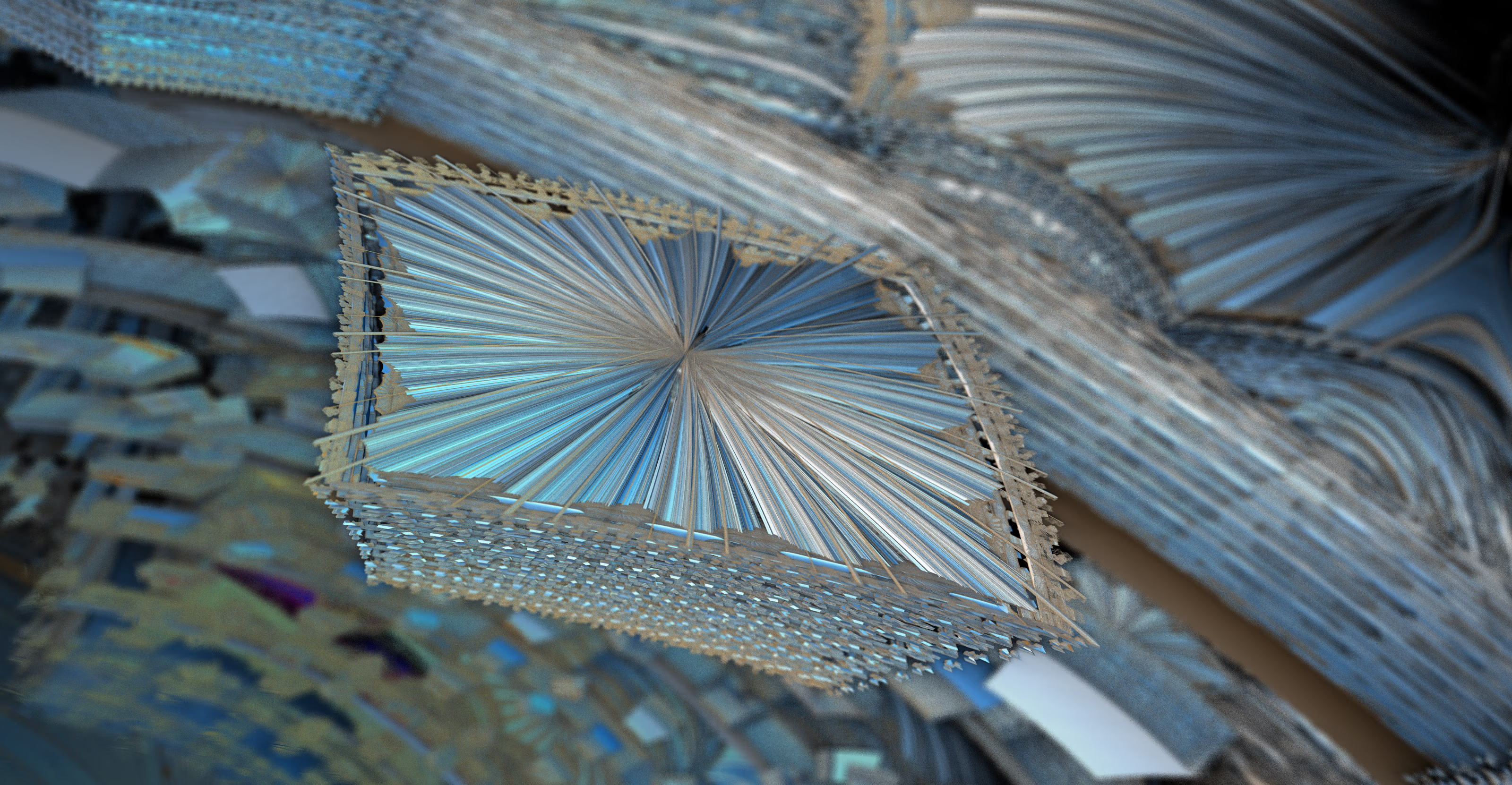
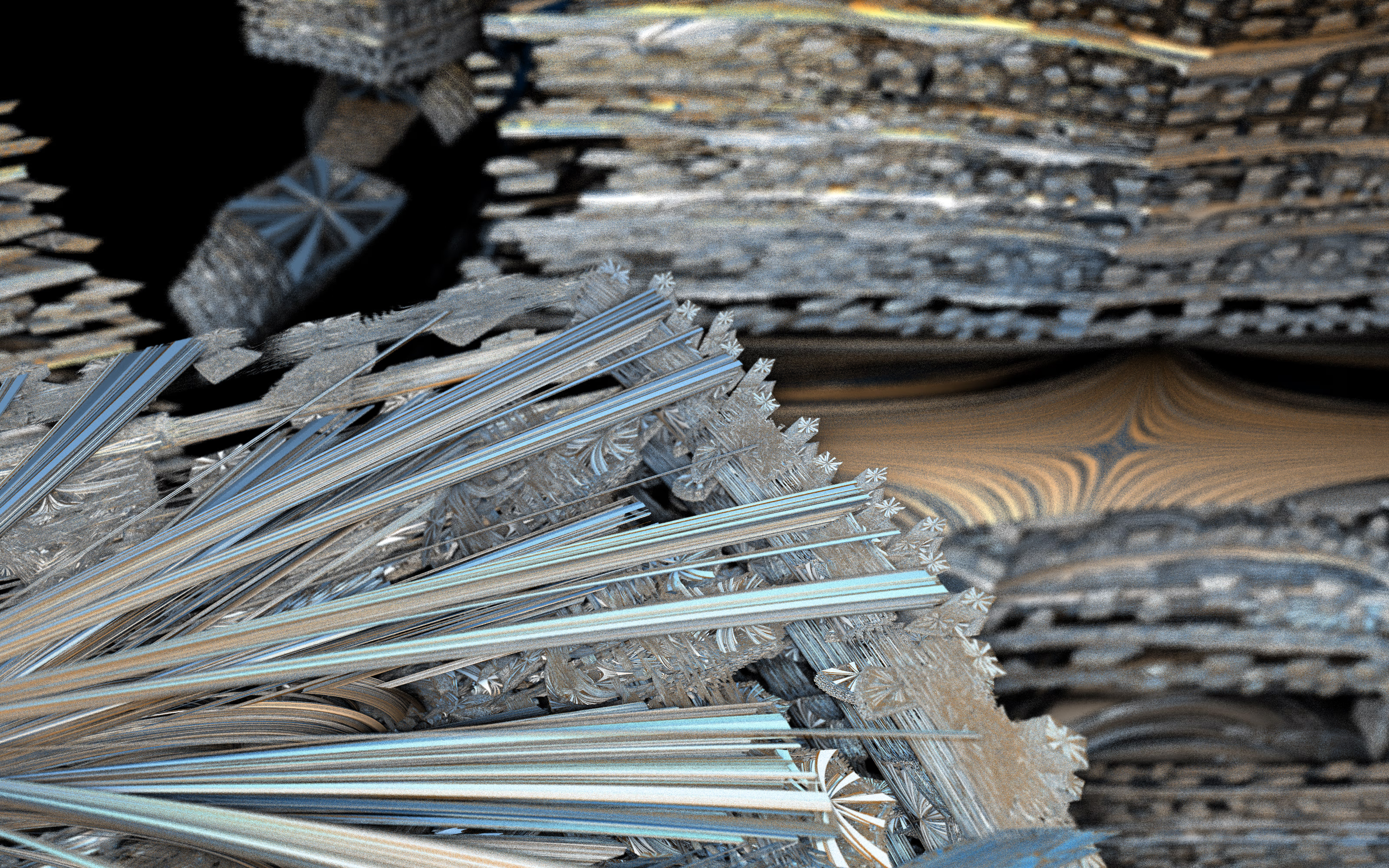
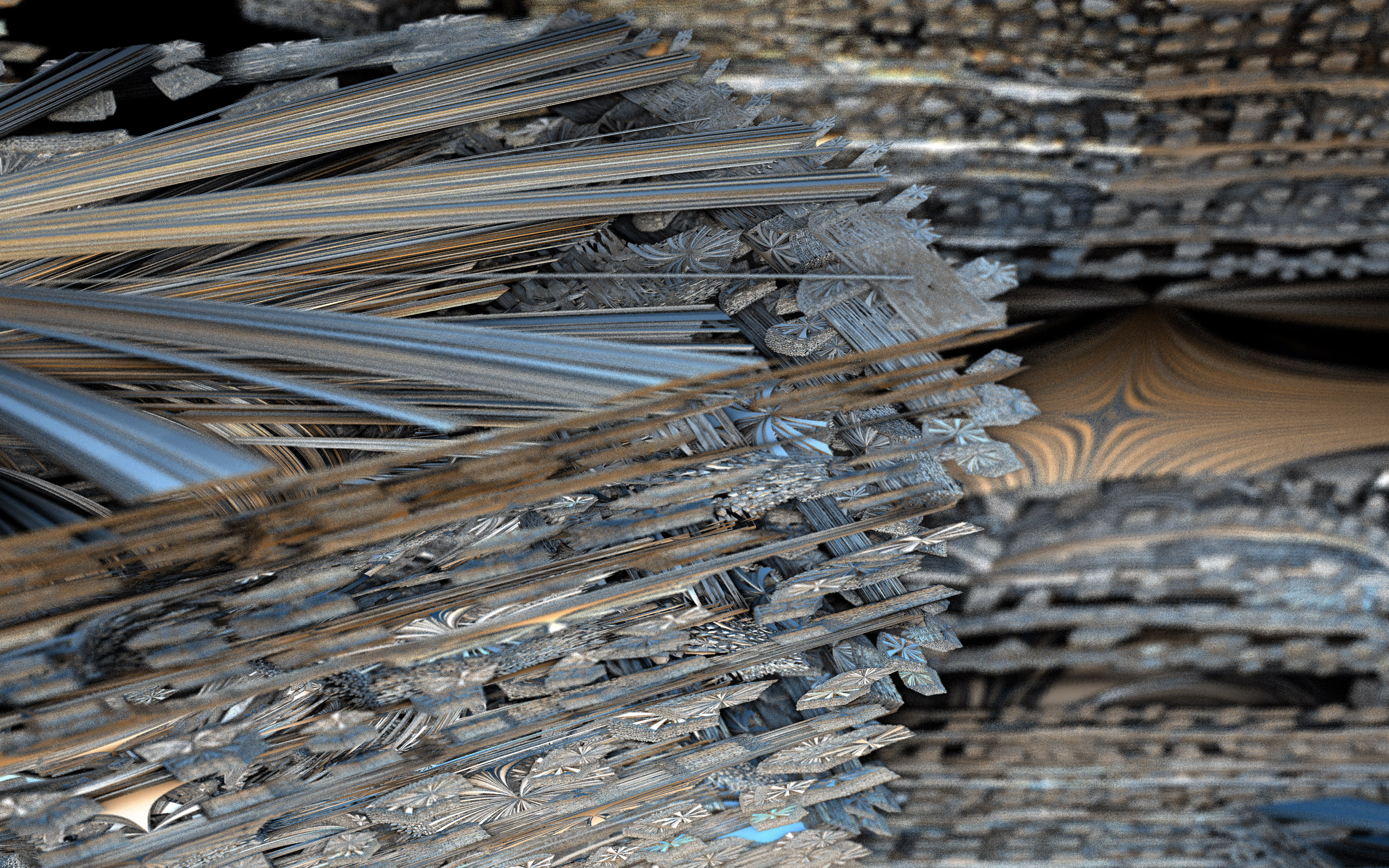
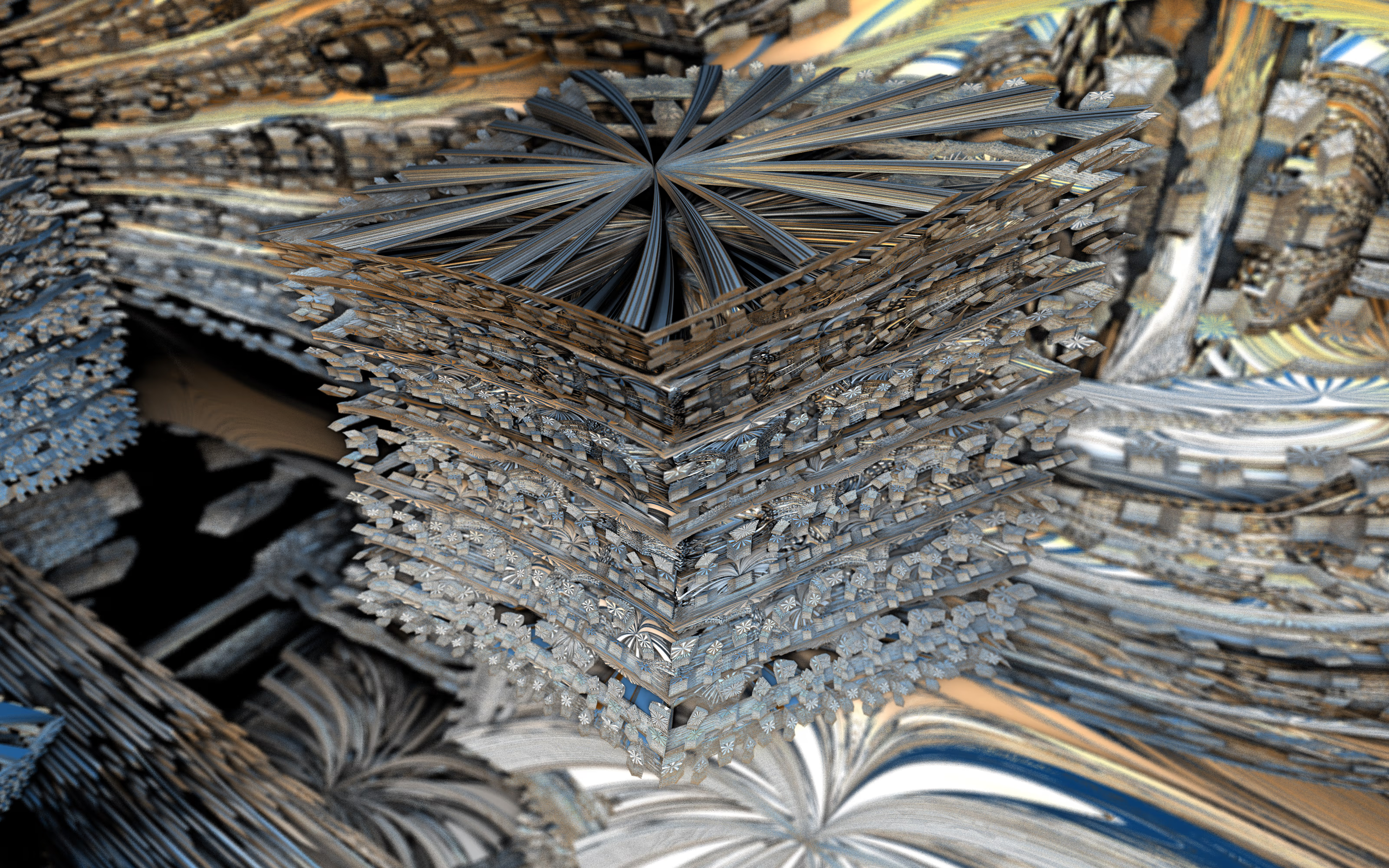
Mandelbox
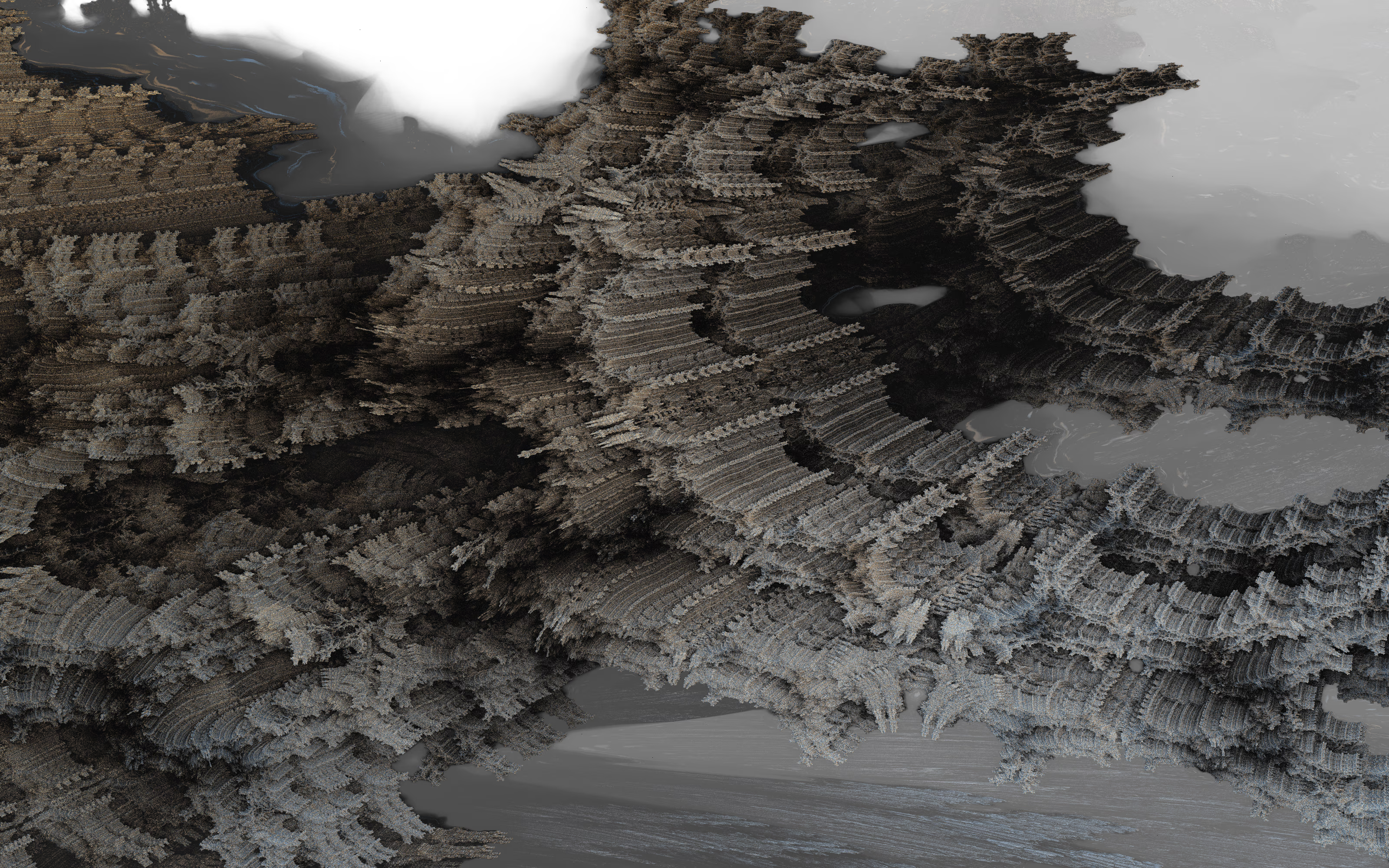
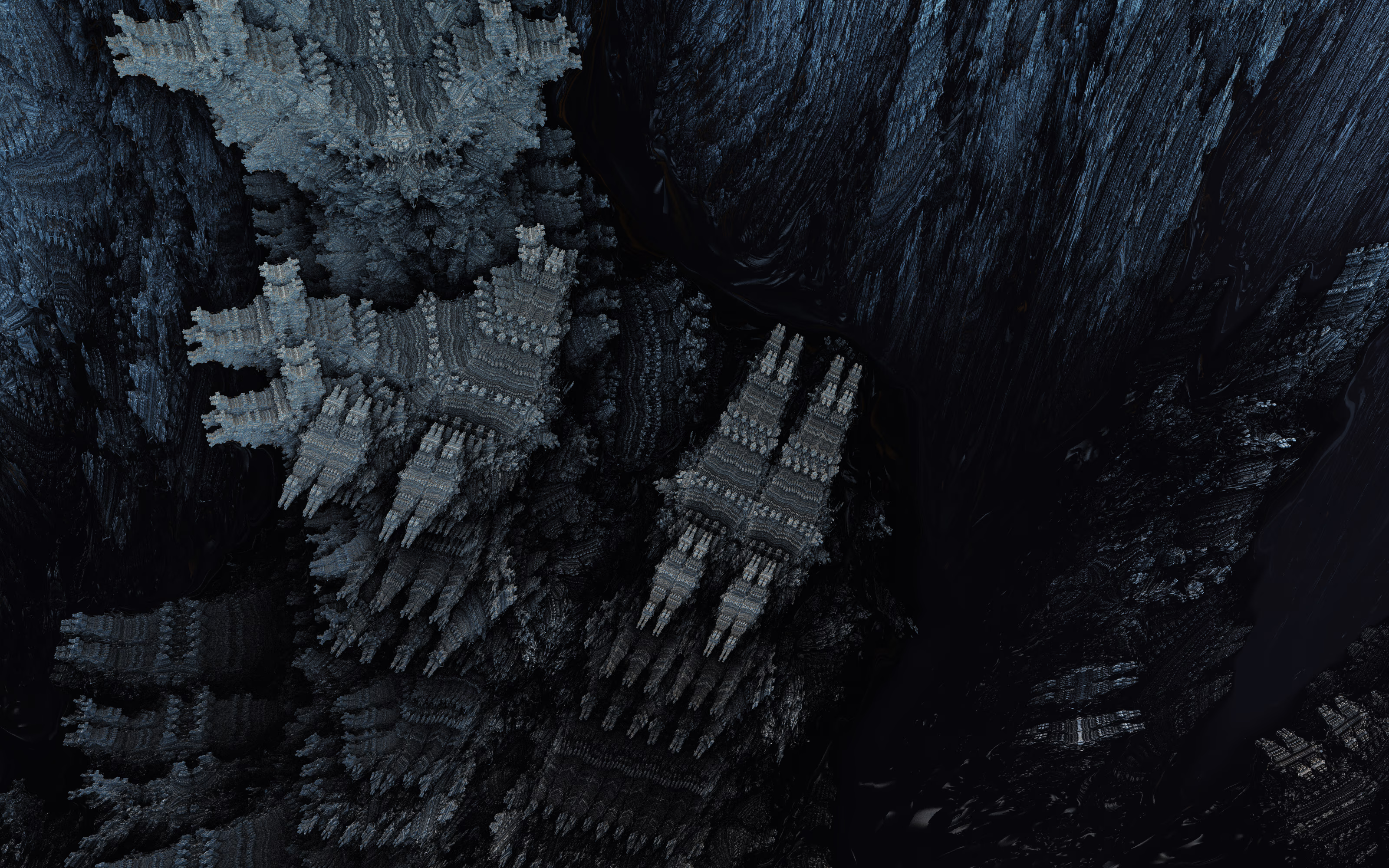
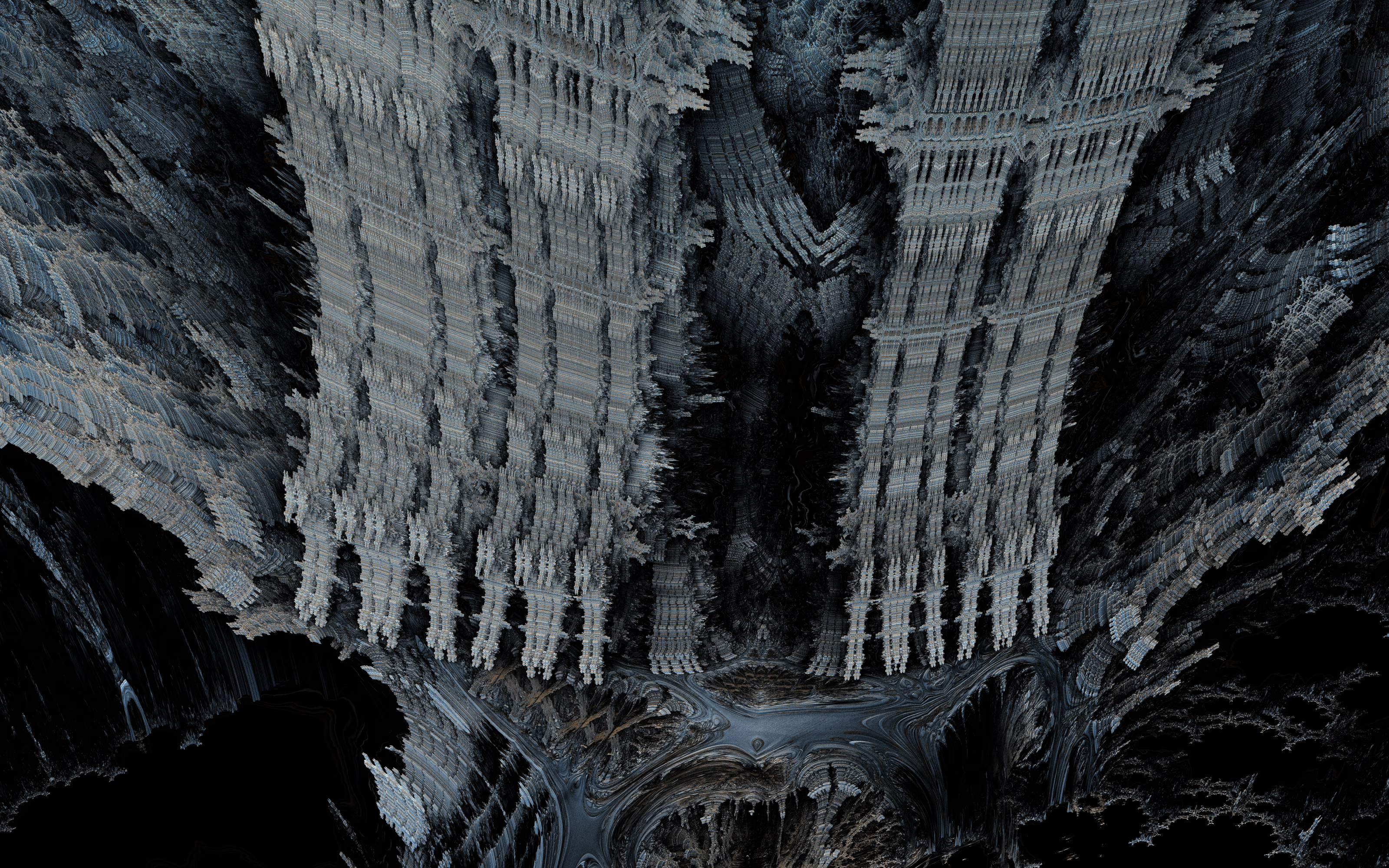
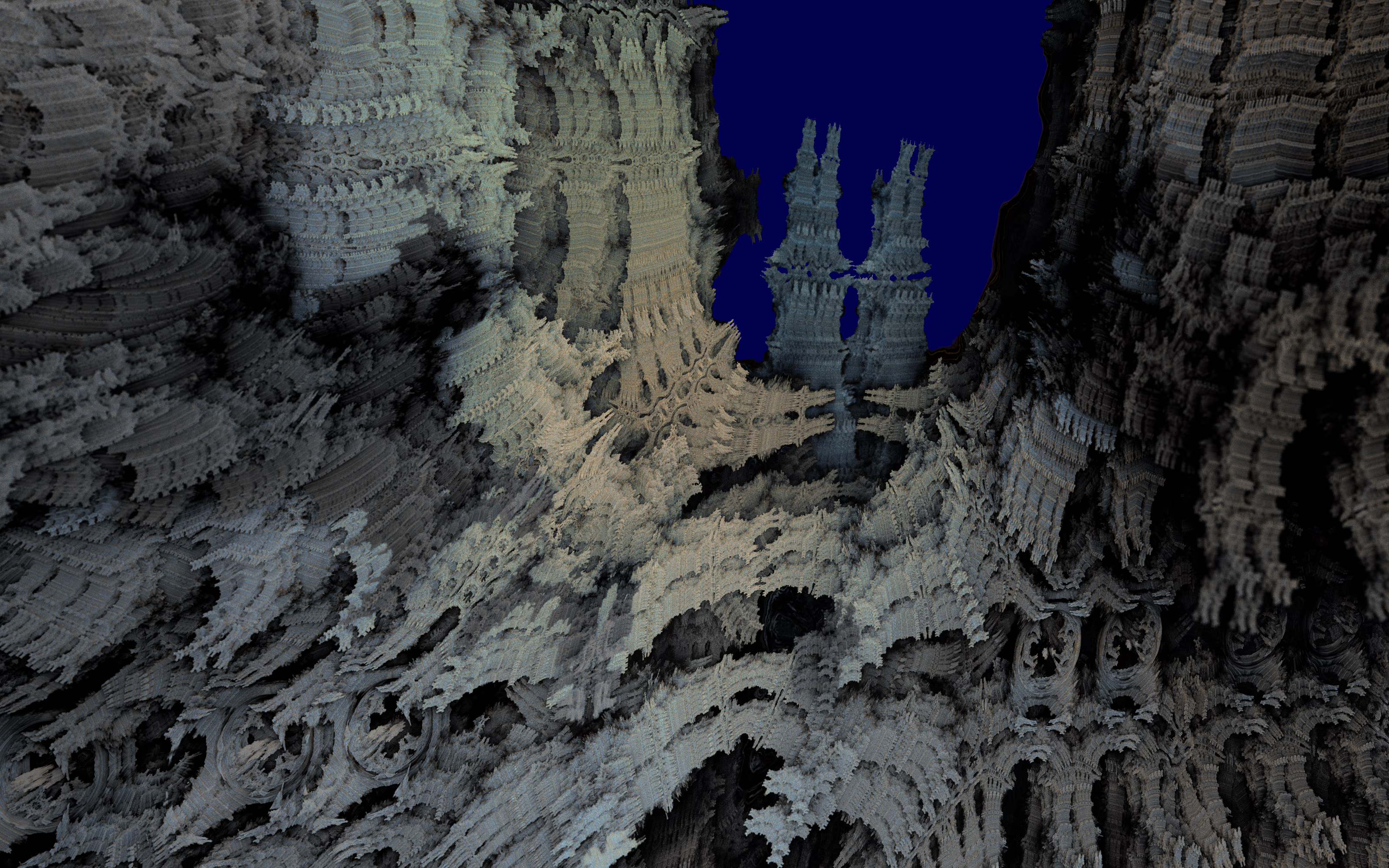
3D Burning Ship
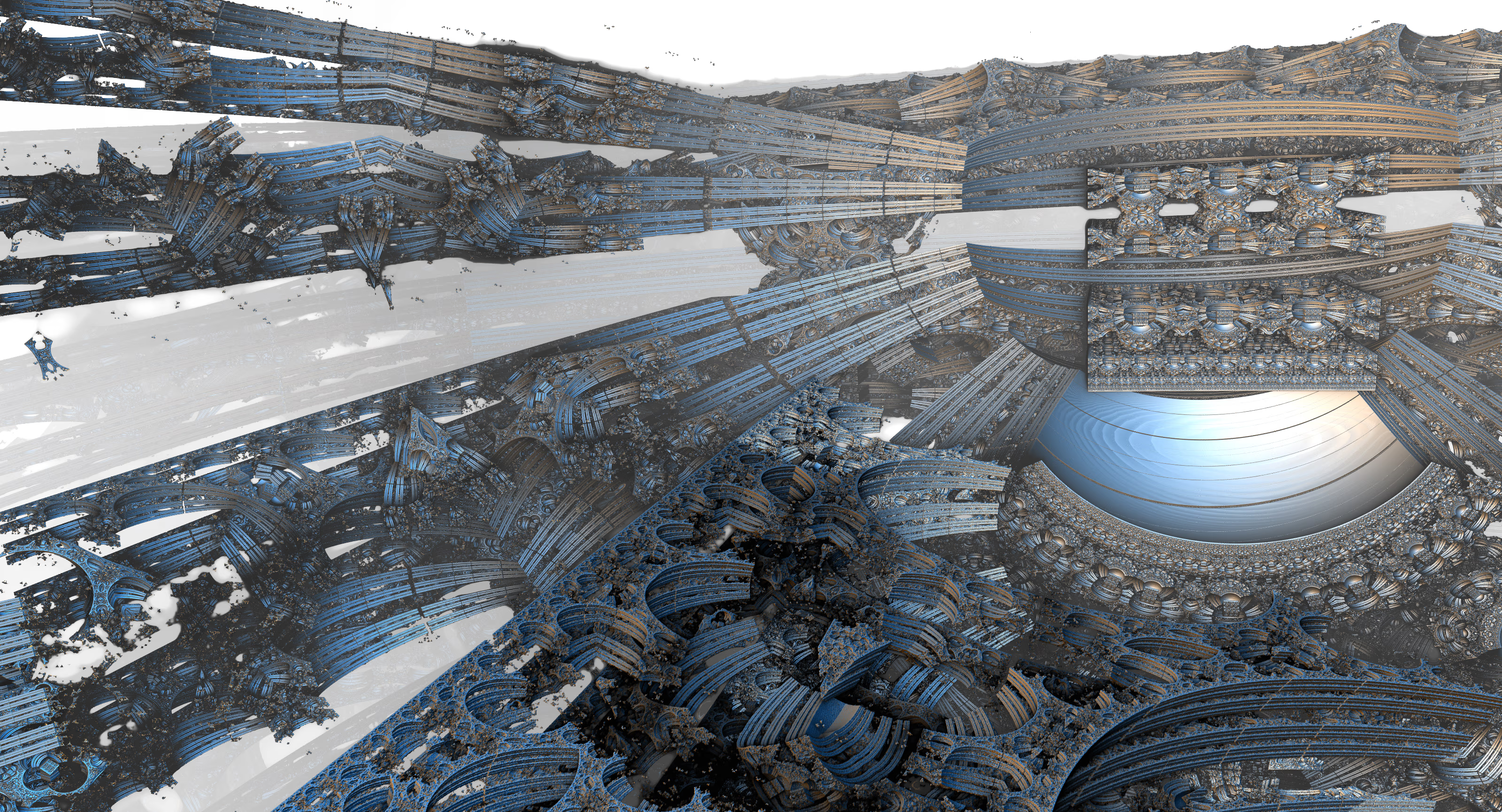
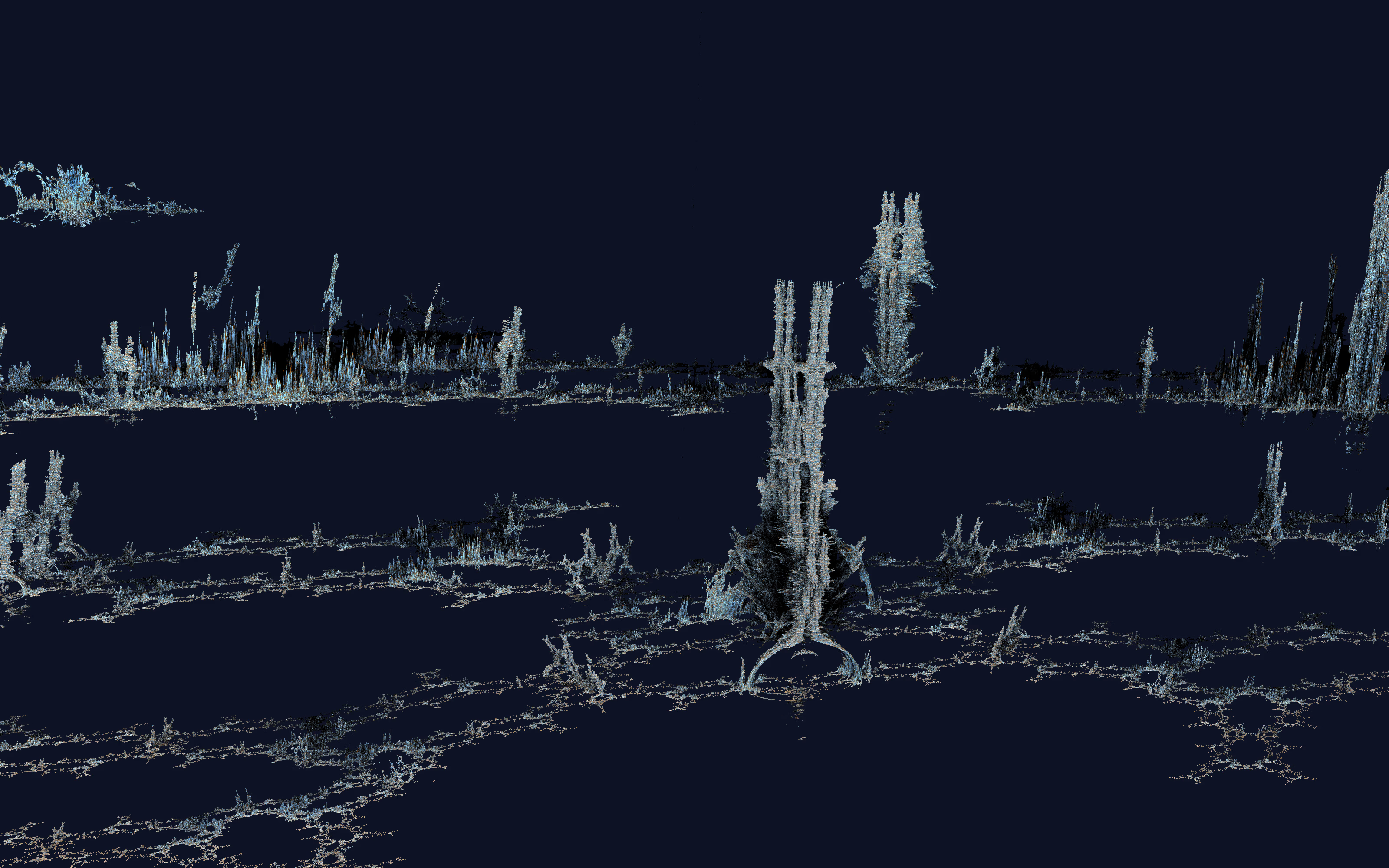
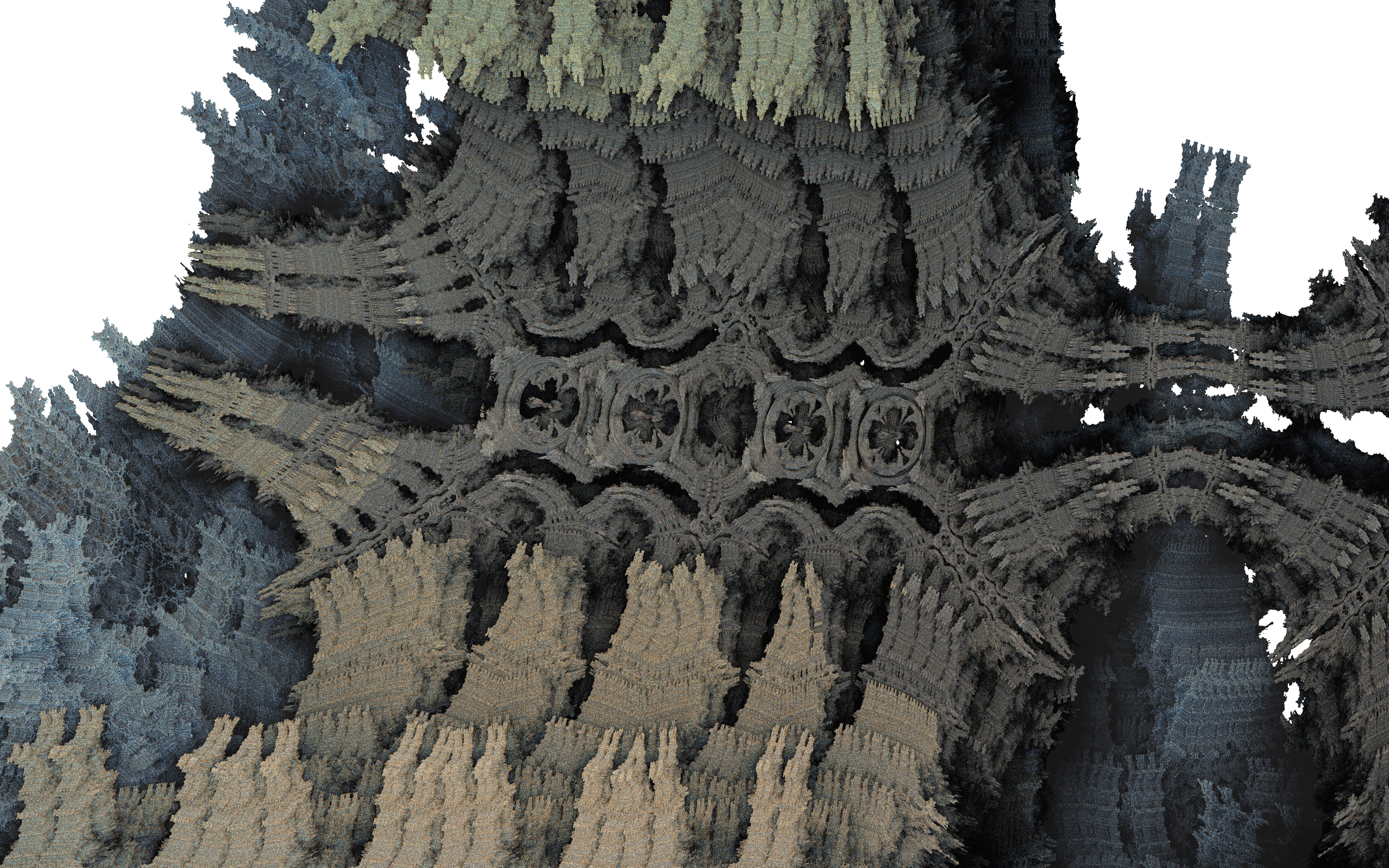
This equation is the power-2 Mandelbulb, with the absolute value of Z taken at every iteration, as in the 2D Burning Ship fractal.
Snowflakes
Experiments!